Yes, biochar can raise soil pH, especially when an alkaline material is added to acidic soil. A 2025 analysis of 232 studies found an overall increase, but also reported decreases under some conditions. Biochar is therefore not a universal pH balancer: the material and the soil determine the response. 1
Why the product’s pH is only part of the answer
The ash fraction of biochar can contain alkaline compounds, including carbonates and oxides, that neutralize acidity. Their amounts and composition depend on the source material and how it was processed. That gives some biochars a liming effect, but different products can supply very different amounts of acid-neutralizing capacity. 2
A pH measurement describes how acidic or alkaline a sample is under the test conditions. Liming capacity describes how much acidity the material can neutralize. In a comparison of 19 biochars, pH was a poor indicator of liming potential. A high number on a product report does not, by itself, tell you how much to apply. 2
The same biochar can behave differently in different soils
Starting pH matters, but so does the soil’s resistance to pH change, known as buffering. The 2025 analysis found that initial soil pH and cation exchange capacity influenced the response. This helps explain why the same addition can have different effects across sites; the starting pH alone is not a complete dose calculation. 1
The study originally cited in this article provides a useful example. Zhang and colleagues tested peanut-shell biochar in four soils during a 28-day laboratory experiment with simulated rainfall. It raised pH in the acidic soils, had little effect in one other soil and lowered pH in another. This was a specific material and experiment, not a trial of Wakefield wood biochar. 3
Does your soil need a higher pH?
The aim is a pH suited to your plants, rather than the highest possible reading. The Royal Horticultural Society notes that raising pH can be undesirable where it is already suitable or where acid-loving plants, such as blueberries, are grown. It also points out that not every biochar is alkaline. 4
If your soil is already alkaline, do not choose an alkaline biochar as a way to lower its pH. A decrease in one experiment does not make another product a reliable acidifying amendment. Consider any biochar addition in light of the whole soil-management plan, including the pH range your plants need. 1 4
Plan biochar and lime as separate decisions
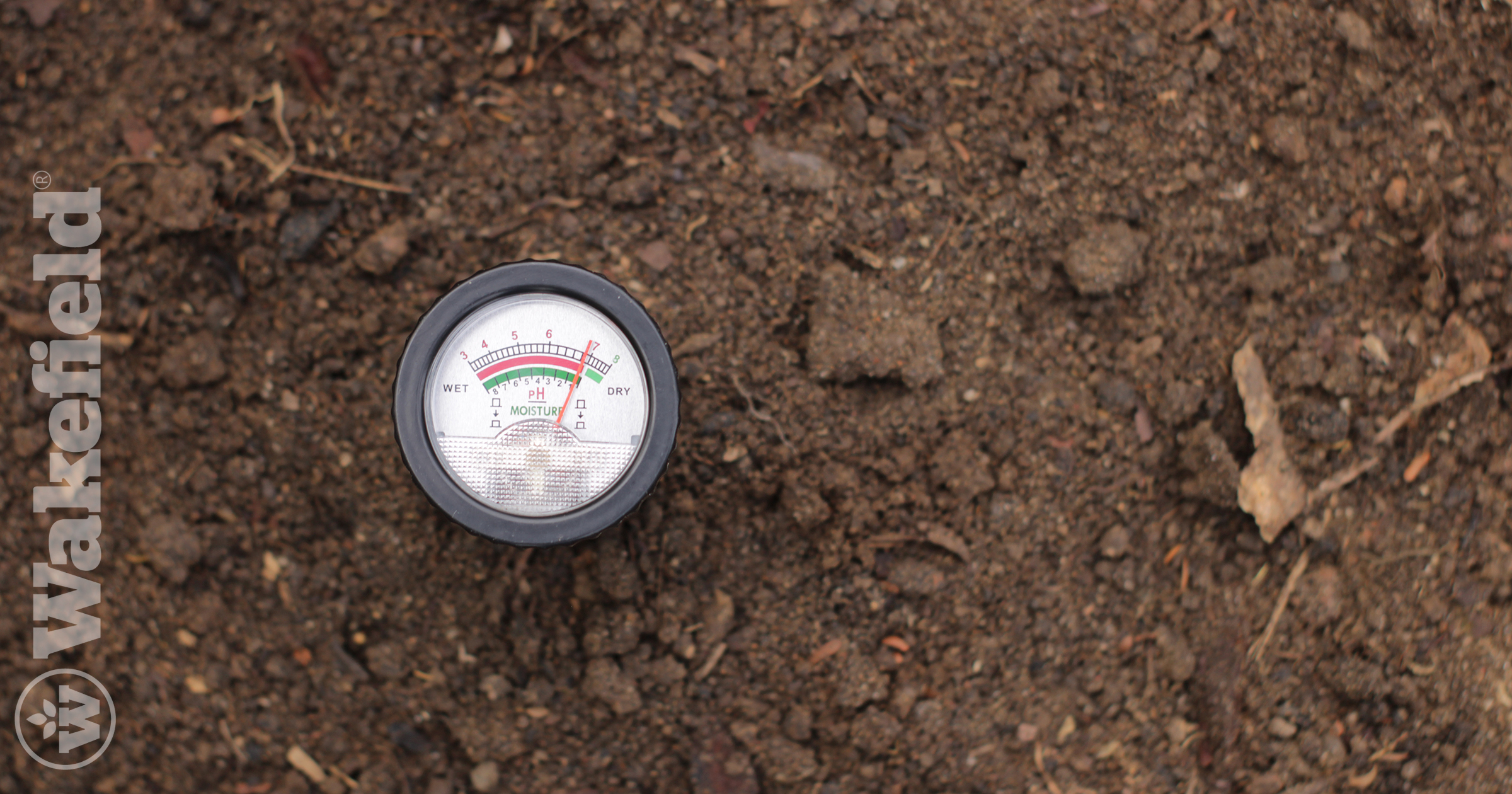
Start with a soil test. Iowa State University Extension recommends applying lime only when a soil test calls for it; the report can guide the amount needed. Unnecessary liming can push pH too high and reduce nutrient availability. 5
If you are considering biochar alongside lime, ask for the biochar’s liming value, often reported as calcium carbonate equivalent, and discuss it with the soil-testing service or adviser. Do not replace a lime recommendation with the same weight of biochar. Material testing and soil buffering both matter to that calculation. 2
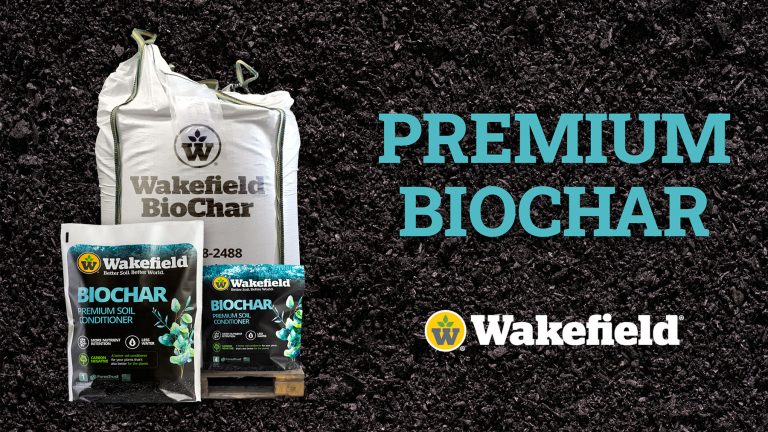
For general soil amendment use, explore Wakefield Premium Biochar and its product information. Follow application directions and treat pH correction as a separate, soil-test-based decision. Our Gardening page helps compare products, while Biochar and Fertilizer explains the difference between conditioning soil and supplying nutrients.
Sources and notes
- Zhang et al. (2025). The potential of biochar to mitigate soil acidification: a global meta-analysis. Biochar 7, 49. Broad evidence; not a product-specific dose prediction.
- Singh, Dolk, Shen and Camps-Arbestain (2017). Biochar pH, electrical conductivity and liming potential. In Biochar: A Guide to Analytical Methods. Distinguishes pH from acid-neutralizing capacity.
- Zhang et al. (2019). Biochar Induces Changes to Basic Soil Properties and Bacterial Communities of Different Soils to Varying Degrees at 25 mm Rainfall: More Effective on Acidic Soils. Peanut-shell biochar laboratory experiment.
- Royal Horticultural Society. Biochar. Plant requirements and variable material pH; accessed September 22, 2026.
- Iowa State University Extension. Should I apply lime to my garden? Updated February 26, 2022. Soil-test-based liming guidance.