
Landscaping and Turf
Keep Water and Nutrients in the Root Zone
Help landscapes and turf make better use of irrigation and fertilizer. Add biochar before a new installation, or work it into existing soil during renovation and aeration. Wakefield supplies bulk biochar for landscape contractors, turf managers, and grounds crews, with product and delivery options suited to your site and equipment.

Choose Your Application
Plan Around the Site and Access to the Soil
Biochar is easiest to incorporate before planting or turf installation. It can also be worked into existing sites when crews can reach the soil near the roots.
Landscapes and Grounds
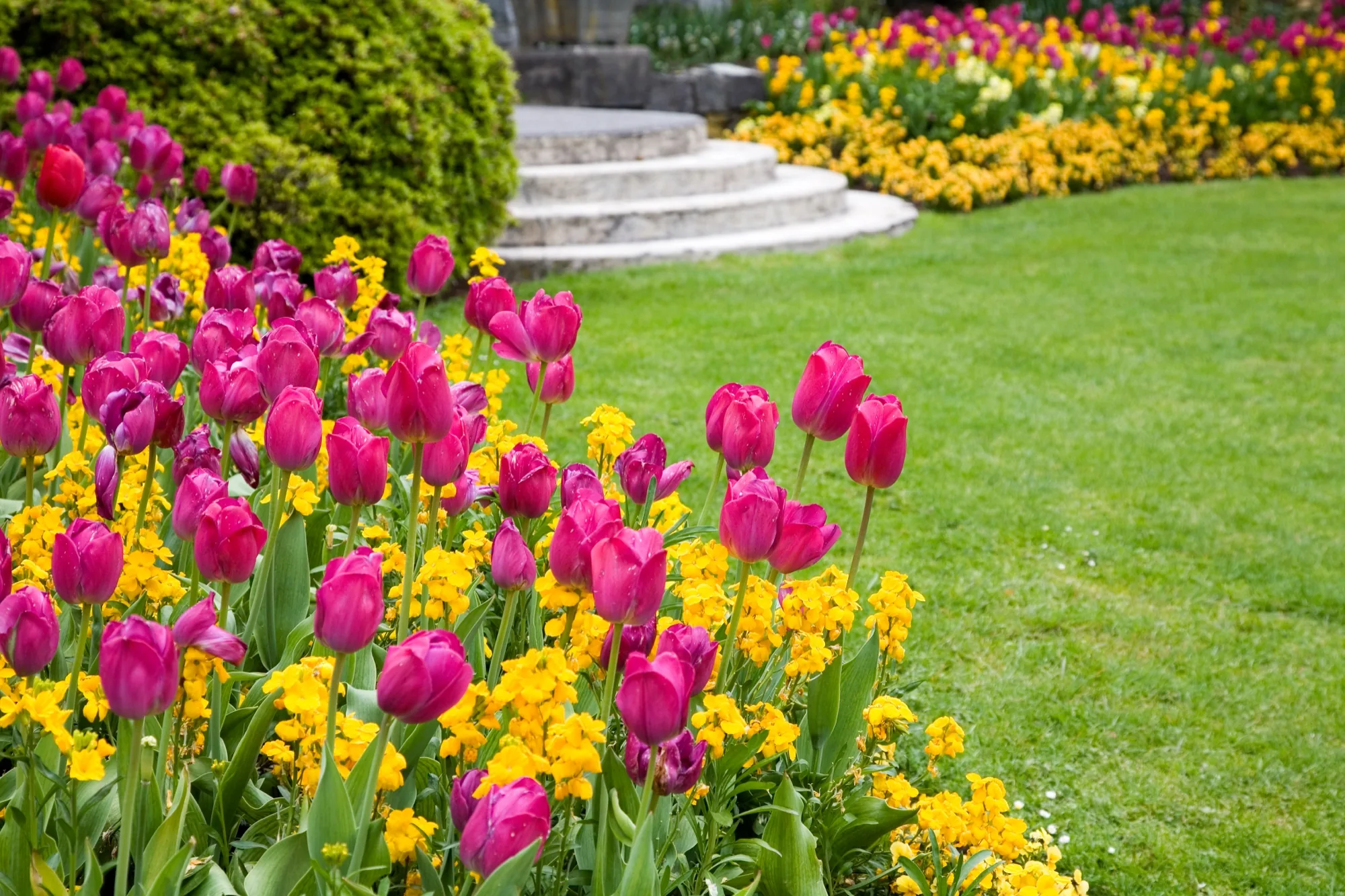
Blend biochar into prepared soil, planting mix, or backfill for new beds, trees, shrubs, parks, campuses, and commercial properties. At existing sites, work it into accessible soil during renovation, transplanting, or other maintenance without damaging established roots.
Turf and Playing Surfaces
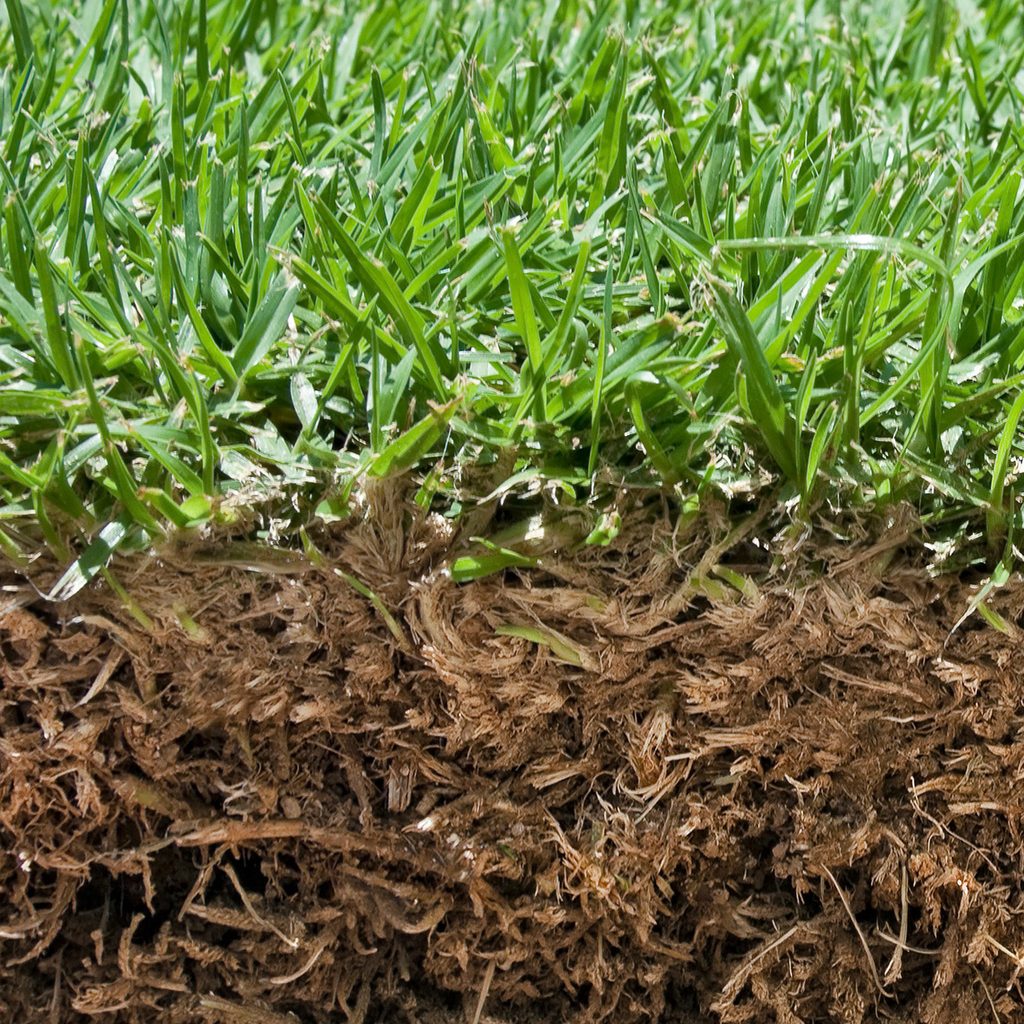
Blend biochar into the prepared root zone before seed or sod. For existing lawns, golf courses, athletic fields, and parks, Premium Biochar is typically used as supplied: aerate first, then spread and brush or rake it into the openings.
How Biochar Helps
Get More from Water and Fertilizer
Biochar helps keep moisture and nutrients in the root zone, supporting healthier landscapes and turf while helping plants make better use of irrigation and fertilizer.
Water Retention
Biochar helps soil hold moisture where roots can use it, supporting better water efficiency and drought resilience.
Nutrient Retention
Biochar helps hold nutrients in the root zone, supporting a more efficient fertilizer program without replacing the nutrients the site requires.
Soil Structure
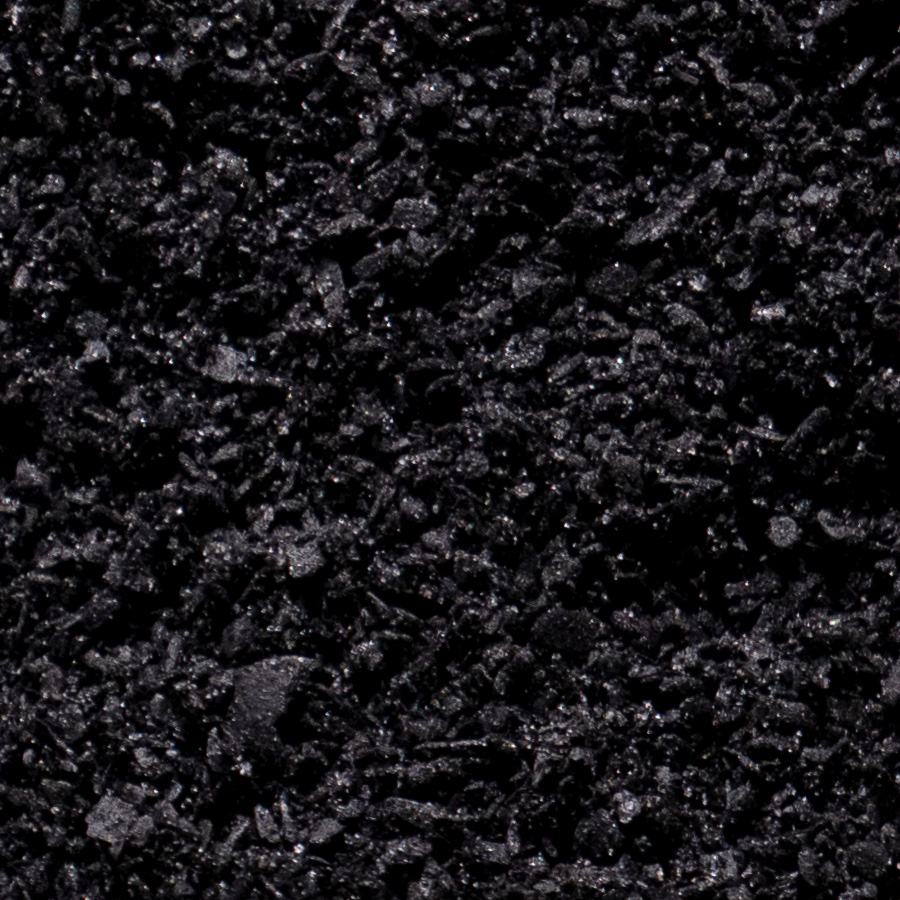
Biochar’s porous structure supports the balance of air and water around roots and provides habitat for beneficial soil microbes.
Biochar also adds stable, plant-derived carbon to the soil, supporting sustainability goals alongside its practical soil benefits.
Recommended Wakefield Products
Start With Premium Biochar for Most Projects
- Organic Carbon: 85–95%
- Particle Size: ≥ 95% below 2 mm
- Moisture: 50–60%
Premium Biochar
Start here for landscape beds, lawns, turf installation, and root-zone mixes. Premium Biochar offers higher carbon content and lower ash when closer control over soil-blend ingredients matters.
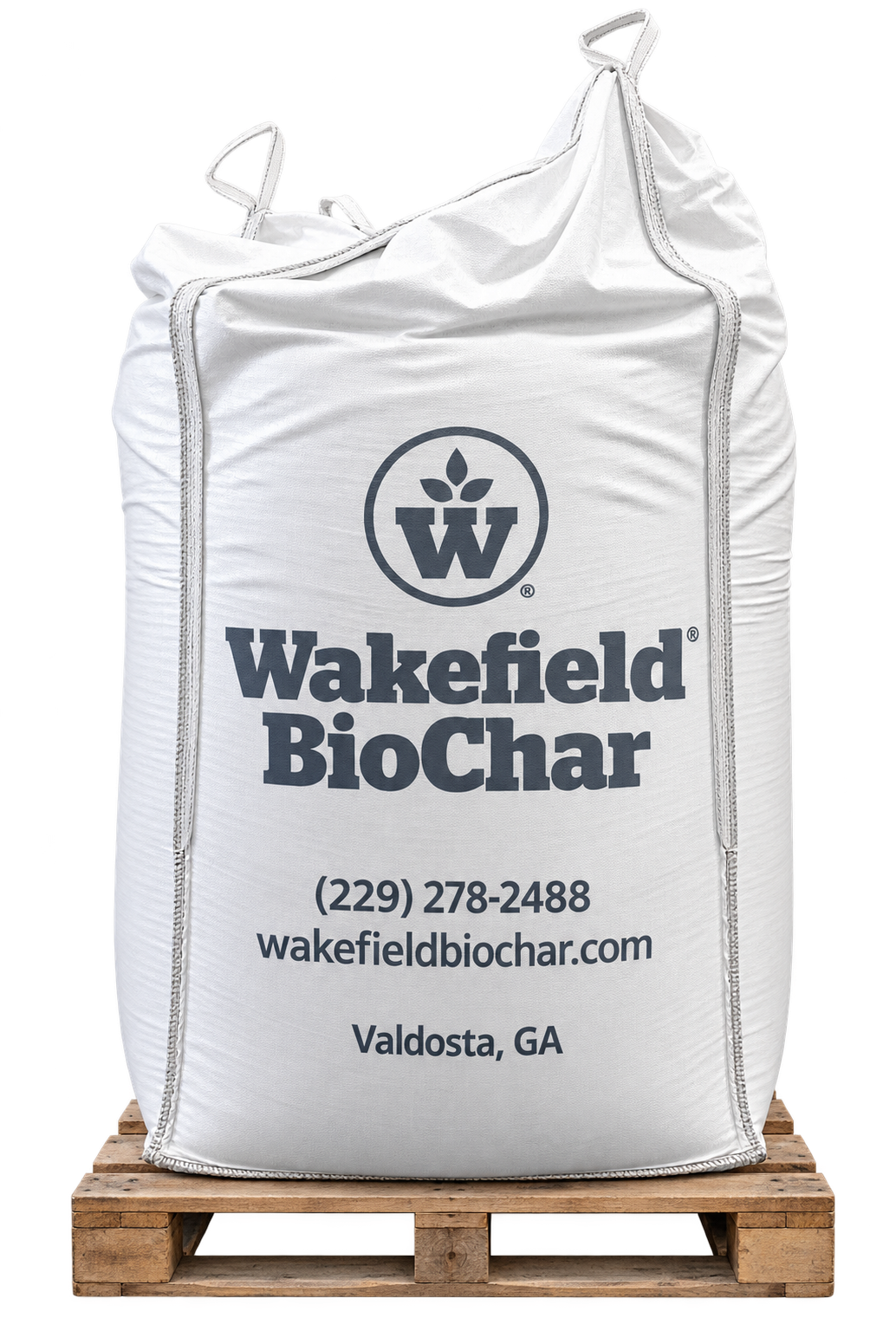
OMRI listed. Available in 2-cubic-yard bulk bags or loose truckloads.
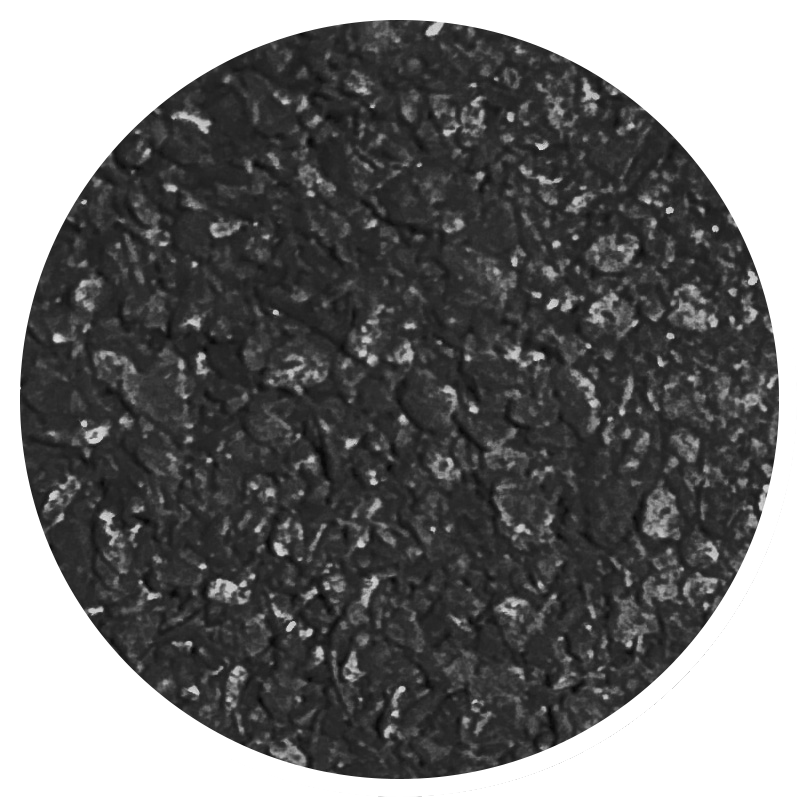
- Organic Carbon: 50–65%
- Particle Size: ≥ 90% below 2 mm
- Moisture: 50–60%
Biochar AG™
An economical choice for parks, campuses, municipal grounds, and other large-area projects. Biochar AG provides the same core soil benefits where its higher ash content fits the application.
Available in 2-cubic-yard bulk bags or loose truckloads.
Product values reflect typical material properties and may vary by lot. See each specification sheet for the full particle-size distribution and measurement details.
Need a lower-moisture product? Premium Biochar LM™ is available when a project has a defined lower-moisture handling or blending requirement.
Project Planning
Plan Your Application and Delivery
For general landscape and turf mixes, start with about 5–10% biochar by volume of the finished soil mix. Engineered root zones, sand-based greens, existing sites, and unusual soil conditions may need a different approach.
Choose bulk bags for sites equipped to lift and unload them. Loose truckloads require equipment to move and spread the material, plus stockpile space clear of roads and access routes.
For a quote, share your project area, location, timing, site condition, and any known blend rate, incorporation depth, or equipment details.
Related Resources
Related Resources
FAQ
Can biochar help reduce irrigation demand?
Biochar can improve water holding and help a site use irrigation more efficiently. The amount saved depends on the soil, blend rate, depth, climate, and maintenance.
Can biochar help reduce fertilizer use?
Biochar can help retain nutrients and support a more efficient fertilizer program. It is a soil amendment, not a complete fertilizer, so plants and turf still need the nutrients identified by the site’s soil and maintenance plan.
Can biochar be added to an existing site?
Yes. On existing turf, aerate, spread, then rake or brush into the openings for the preferred approach. Spreading and raking without aerating is another option. For home lawns, use Premium Biochar or Biochar with CarbonBoost™ and spread by hand or shovel; small garden spreaders can clog. In planting areas, incorporate only where roots can be protected; consult an arborist for established trees.
How much biochar should I use?
About 5–10% by volume of the finished soil mix is a practical starting point. Engineered root zones and existing sites may require a different approach.
Should I choose Premium Biochar or Biochar AG?
Start with Premium Biochar for most landscape and turf projects, especially where higher carbon content and lower ash matter to the soil blend. Biochar AG is an economical choice for parks, grounds, and larger applications, with the same core soil benefits.
Landscaping and Turf Quote
Tell Us About Your Landscape or Turf Project
Share the project size, location, timing, whether the site is new or existing, and any known application details. If you have a product in mind, include it in your message. We can help estimate volume and coordinate freight and delivery.