
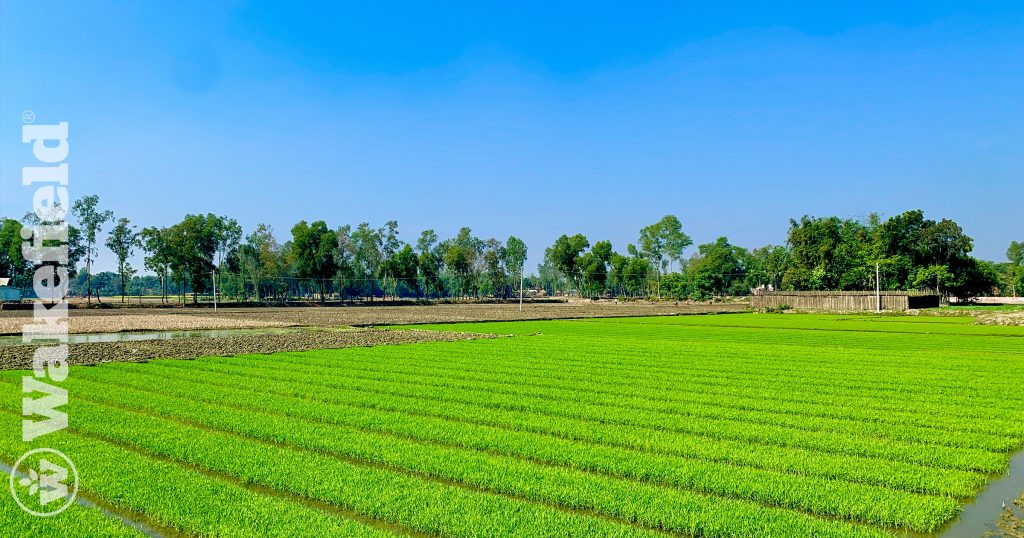
Biochar can change how tiny organisms in the soil, called microbes, behave. But, we don’t know much about how it works when used with synthetic nitrogen fertilizer in paddy fields. Researchers wanted to fill this gap by testing different combinations of biochar and nitrogen fertilizer to see how they affect soil, microbes, and rice growth. They tried eight different combinations, with different amounts of biochar (0, 10, 20, and 30 tons per hectare) and nitrogen (135 and 180 kilograms per hectare).
The results? Using both biochar and nitrogen together made the soil better and increased rice yield compared to using just nitrogen. Plus, they noticed that some combinations of biochar and nitrogen increased the levels of helpful microbes in the soil, which could help crops grow even better.
Biochar in Action
The experiment was set up in a field using a random design, with three copies of each test area. The plots measured 3.9 by 6 meters. They studied the plots over two years, from 2019 to 2020. During that time, they looked at four levels of biochar (0, 10, 20, and 30 tons per hectare) and two levels of nitrogen (135 and 180 kilograms per hectare). They put biochar on the soil once in 2019 and added nitrogen both years.
Soil microorganisms are essential for soil health and farming success, impacting nutrient release and plant growth. Biochar, made from organic waste, boosts soil quality and microbial activity when combined with nitrogen fertilizer. Research, like this study, aims to develop sustainable farming practices, improving crop productivity while reducing chemical fertilizer use.
What the Researchers Reported
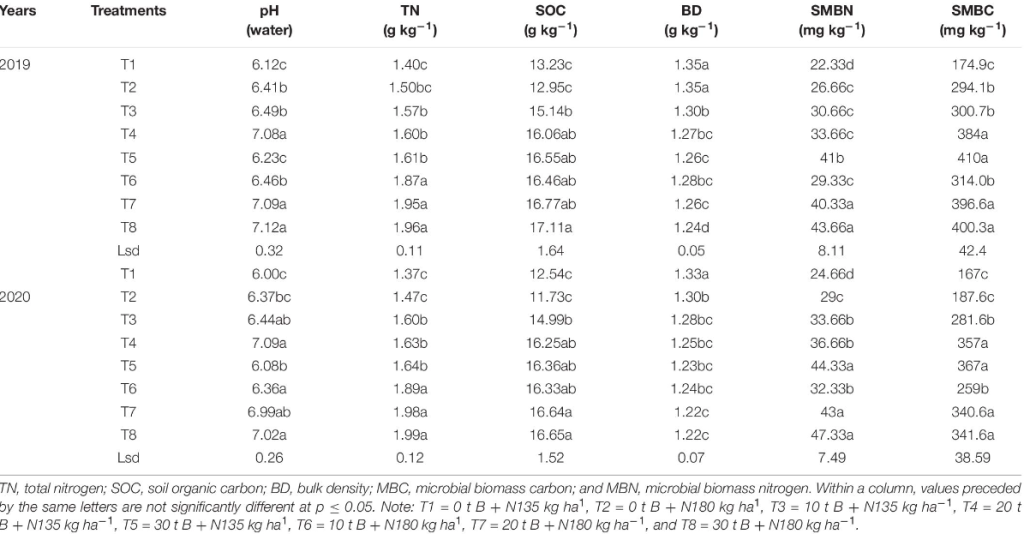
Compared with nitrogen fertilizer alone, adding biochar with nitrogen improved several measures of soil health. As biochar rates increased, the researchers found higher soil pH, nitrogen, soil carbon, and microbial activity. They also found that soil with biochar was less compact.
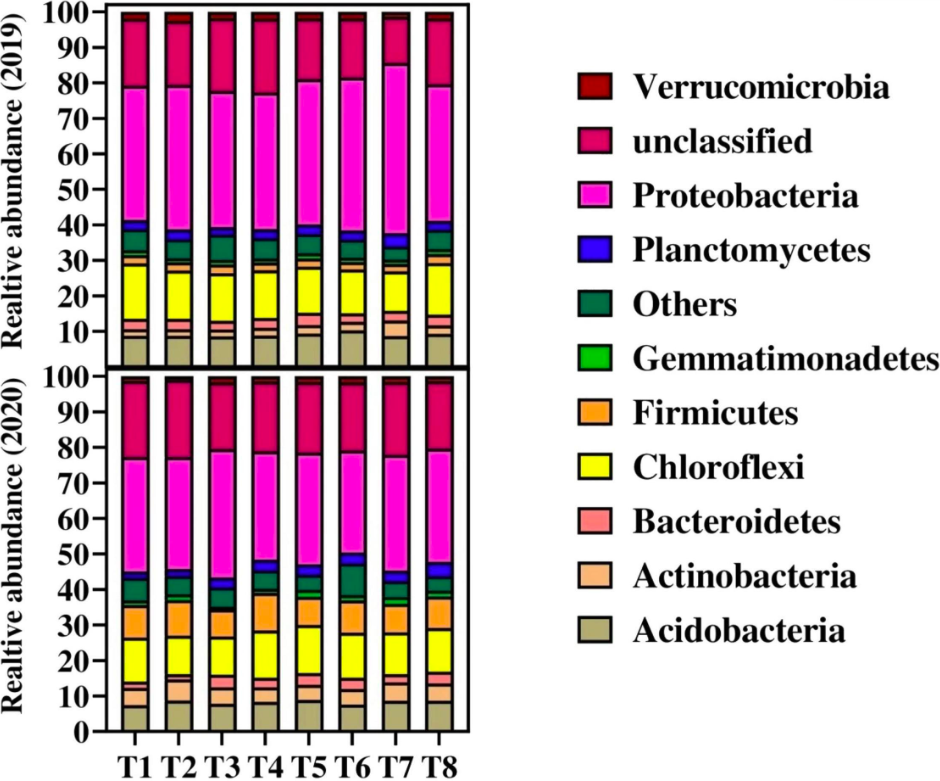
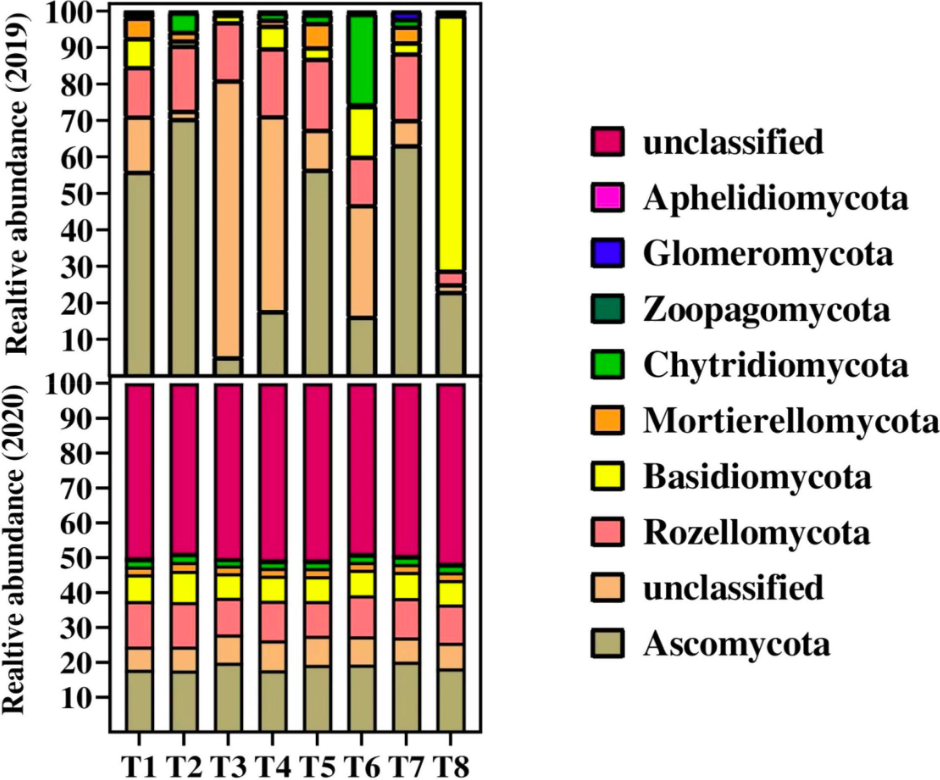
Biochar also affected the amount and types of bacteria in the soil, including bacteria that help cycle nutrients. Rice yields were generally higher when biochar and nitrogen were used together, although results varied by treatment and year.
Results
The findings from Ali et al. (2022) show that biochar can work well alongside nitrogen fertilizer in paddy fields. In this two-year study, adding biochar improved several measures of soil health and microbial activity, while rice yields were generally higher than with nitrogen fertilizer alone.
The study also shows why researchers are interested in biochar as part of better soil management. By improving soil conditions and supporting beneficial microbes, biochar can complement traditional fertilizers and help create healthier growing conditions. Results will vary by soil, crop, biochar, and application rate, but this research adds to the evidence supporting biochar’s role in agriculture.
References
-
Biochar Amendment and Nitrogen Fertilizer Contribute to the Changes in Soil Properties and Microbial Communities in a Paddy Field Frontiers in Microbiology 2022. View Source