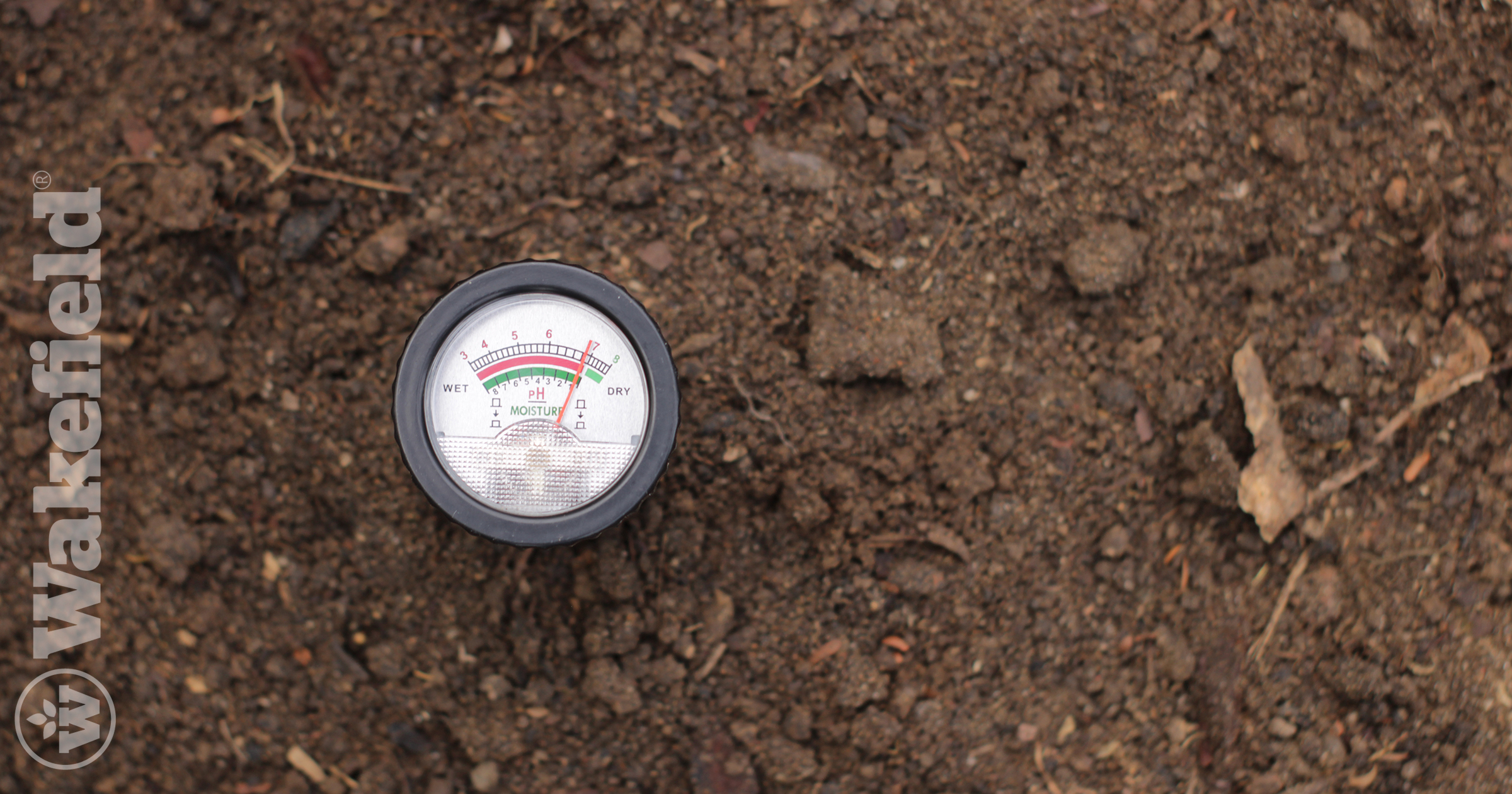
Wood-based biochar can raise soil pH, particularly when it is added to acidic soil. The alkaline minerals left behind during pyrolysis can react with soil acidity, making biochar a useful amendment for soils that are too acidic for certain plants. However, its effect depends on the starting soil and the properties of the biochar, so it is better understood as a material that can influence soil pH rather than a universal pH balancer.
The effect is generally strongest when starting soil pH is low because there is more acidity for the alkaline compounds in biochar to neutralize. As soil approaches a neutral pH, the potential for a large change becomes smaller, while already alkaline soils may see little benefit from an additional alkaline material.
Why Wood-Based Biochar Can Raise pH
Biochar is made by heating plant material with limited oxygen. During this process, much of the carbon remains in a stable form while minerals from the original wood become concentrated in the finished biochar. Minerals such as calcium, potassium, and magnesium, along with carbonates and other alkaline compounds, can interact with acidity in the soil and raise its pH.
The amount and strength of these compounds depend on the feedstock and production process. Wood-based biochar is commonly alkaline, but its exact pH and ability to neutralize acidity can vary between products. This makes product testing important when considering how a particular biochar may affect soil.
What the Soil-pH Research Shows
A 2019 study by Shan and colleagues compared the effects of biochar on different soils and found that biochar influenced basic soil properties and bacterial communities to different degrees. Its effects were more pronounced in acidic soil, supporting the broader finding that acidic soils tend to show a clearer response to alkaline biochar.
The study also illustrates why the effect of biochar cannot be reduced to a single expected change in pH. Soil mineral content, existing acidity, moisture, and microbial communities can all influence how soil responds. As a result, the same biochar may produce different results in different soils.
Starting Soil pH Matters
The starting pH of the soil plays an important role in how biochar affects it. Acidic soil contains more acidity for alkaline biochar to neutralize, creating greater potential for a rise in pH. Near-neutral soils generally show a smaller change, while alkaline soils may not benefit from additional alkaline material.
The needs of the plants growing in the soil also matter. Some plants, such as blueberries, prefer acidic conditions, while many vegetables and lawn grasses grow best closer to neutral. Soil pH influences how easily plants can access certain nutrients, making the relationship between biochar, soil pH, and plant growth an important part of overall soil health.
Biochar Is Not a Direct Replacement for Lime
Biochar and agricultural lime can both influence soil acidity, but they serve different roles. Lime is specifically designed and measured for its ability to neutralize acidity, while biochar is a broader soil amendment that can also influence water retention, nutrient management, pore space, and soil biology.
This makes biochar’s effect on pH one part of its larger role in the soil. Rather than functioning only as a pH amendment, biochar can influence several properties of the soil at the same time while providing a long-lasting source of carbon.
Using Wakefield BioChar in Acidic Soil
Wakefield BioChar Premium Soil Conditioner is a wood-based soil amendment that can support soil health while influencing properties such as pH, water retention, and nutrient management. Its alkaline nature makes it particularly interesting for acidic soils, where biochar can help moderate soil acidity while providing the other benefits of its porous carbon structure.
The relationship between biochar and soil pH ultimately comes down to the soil, the biochar, and the plants growing in it. Wood-based biochar can be an effective way to influence acidic soil pH, but its value extends beyond pH alone. By improving the physical and chemical environment around plant roots, biochar can become a long-lasting part of a healthier, more productive soil system.