Biochar creates a lasting foundation for raised beds and in-ground gardens. Its porous structure helps soil retain water and nutrients, supports airflow and root development, and provides habitat for microorganisms involved in nutrient cycling.
A successful application begins with the volume of soil being improved. Once that volume is known, gardeners can calculate a balanced amount of biochar and distribute it where roots will grow.
Measure the Planting Area
Measure the bed’s length and width, then choose the depth of soil that will be improved. Raised beds may be amended through their full growing depth, while an in-ground garden commonly focuses on the upper six inches where many vegetable and flower roots are active.
Multiply length by width by depth, using feet for every measurement. A 4-by-8-foot bed amended six inches deep contains 16 cubic feet of soil.
Calculate the Biochar Amount
Use biochar at about 10% of the amended soil volume. For the 16-cubic-foot example, that equals about 1.6 cubic feet of biochar. A deeper raised bed requires more material if the complete soil volume is being blended.
The calculation should reflect the soil actually being prepared, not the outside dimensions of the bed alone. Read more about how much biochar to add to soil.
Combine Biochar with Compost
Mix biochar with finished compost or worm castings before adding it to the bed. These materials supply moisture, nutrients, organic matter, and microorganisms that begin interacting with biochar’s pore network.
A simple activation blend uses equal volumes of biochar and compost. Moisten the mixture and let it rest for seven to fourteen days when time allows. It can also be combined directly with compost and soil during bed preparation.
Spread and Mix Evenly
Spread the measured biochar blend across the bed before mixing. For an empty raised bed, combine it throughout the planned growing medium. In an in-ground plot, incorporate it through the selected amendment depth.
Turn the soil until the biochar and compost are distributed without concentrated pockets. Even placement gives developing roots access to water, air, nutrients, and microbial habitat across the planting area.
Plant and Water the Bed
Plant seeds or transplants according to their normal spacing and depth. Water the bed thoroughly after planting to settle the soil around roots and move moisture through the biochar-compost blend.
Continue the watering and fertility program appropriate for the plants. Biochar is a soil conditioner rather than a complete fertilizer. It helps retain and manage nutrients supplied by compost, soil, and fertilizer instead of replacing them.
Maintain the Soil Over Time
Biochar remains in the bed for many years, so it does not need to be replaced every growing season. Renew compost and mulch as they break down, rotate crops when appropriate, and leave the stable biochar framework in place.
Add more biochar when expanding the garden, adding a new layer of soil, or building another raised bed. This extends coverage into new root-zone soil rather than repeating the original application.
Raised Beds and In-Ground Gardens
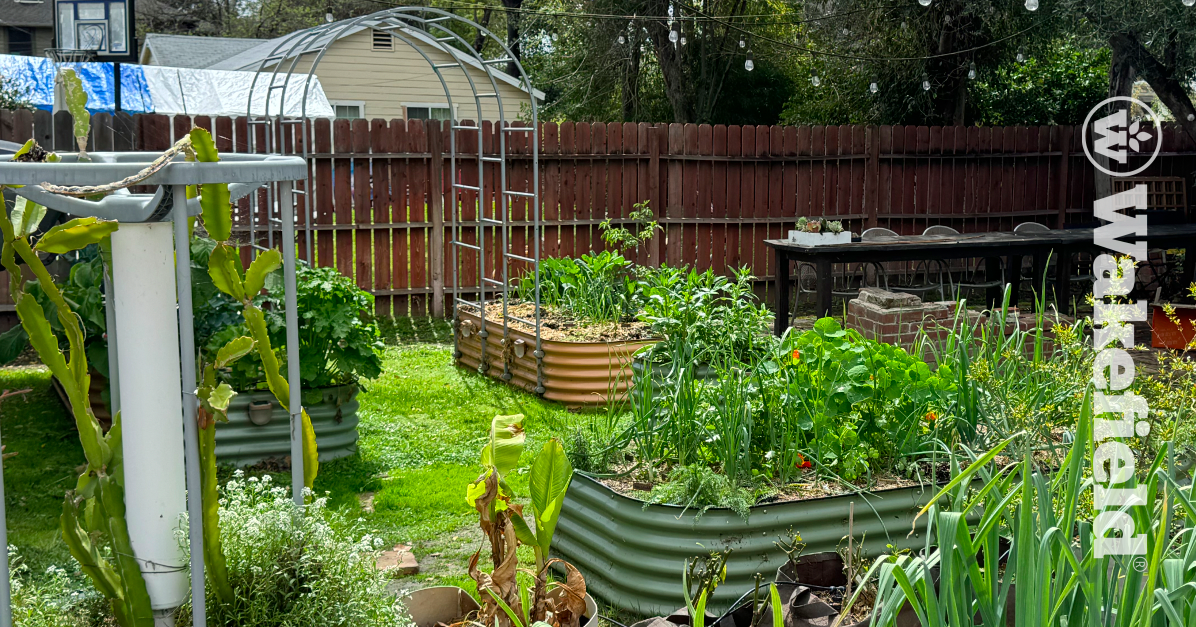
Raised beds make it easy to create a complete soil blend before planting. Biochar, compost, and the primary growing medium can be mixed in layers or combined outside the bed and added together. The correct amount depends on the finished soil depth, not a standard bag count for every bed.
In-ground gardens usually work with existing soil. Biochar and compost are spread across the plot and incorporated through the upper root zone. This adds durable pore space while retaining the character and mineral content of the original garden soil.
Both approaches place biochar below the surface, where roots can use the moisture and nutrients held around its pores. For the universal application process and links to other projects, visit the broader How to Use Biochar Guide.
Watch Biochar Used in a Raised Bed
This short Garden Zaddy demonstration shows biochar being added to a raised-bed project. Use it as a visual example alongside the volume-based calculations and mixing steps above.
Why Biochar Supports Garden Soil
Garden beds change through repeated planting, watering, harvesting, and the breakdown of organic matter. Biochar adds structure that persists through those cycles. Its surfaces continue interacting with water, nutrients, minerals, roots, and soil organisms across many seasons.
Compost supplies fresh organic matter and nutrients, while biochar helps retain some of those resources in the root zone. Learn more about composting with biochar or follow the complete biochar activation Guide.
Used together and mixed evenly, biochar and compost support garden soil without adding a new treatment every season. The result is a durable growing environment for vegetables, herbs, flowers, and other garden plants.