Biochar is not finished the moment it leaves a pyrolysis reactor. The fresh material is hot, dry, lightweight, and made up of particles in many sizes. Cooling, moisture control, screening, and quality checks prepare it for practical use.
These finishing steps protect the porous carbon structure created during pyrolysis while shaping the material for soil, compost, filtration, stormwater, and other applications. They are an important part of turning clean wood residue into consistent, useful biochar.
Cooling and Quenching Fresh Biochar
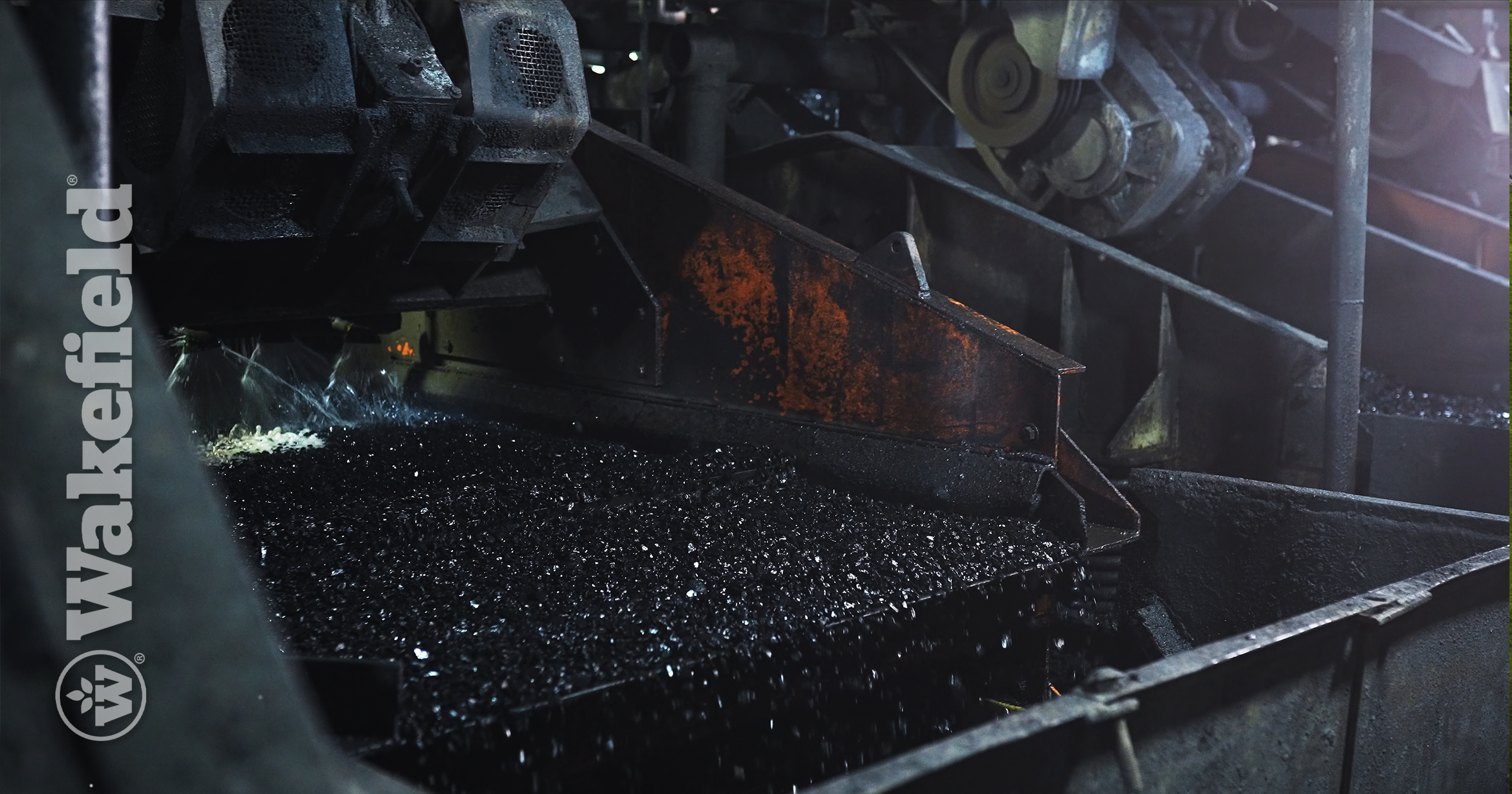
Biochar leaves the production zone at a temperature that is far too high for storage or handling. It must be cooled in a controlled way and kept away from enough oxygen to restart combustion. Water may be used to quench the material and bring its temperature down quickly.
Quenching can also introduce useful moisture. Bone-dry biochar is light and dusty, while damp biochar is easier to move, package, and blend. Moisture control reduces airborne particles without filling every pore or turning the material into a heavy slurry.
Screening and Sizing the Particles
The original feedstock and the pyrolysis process create a mix of larger pieces and fine particles. Screening separates those fractions into useful size ranges. A consistent particle size improves handling and helps each product perform as intended.
Soil products need particles that mix evenly through compost or growing media. Biochar carried in a liquid must pass through pumps and spray nozzles. Filtration systems often use larger, more uniform particles that allow air or water to move through the filter bed. The Article on biochar particle size and porosity explains why size affects performance.
Checking Biochar Quality
Quality control connects the finished biochar to its intended use. Producers can evaluate properties such as moisture, particle-size distribution, carbon content, ash, pH, density, and surface characteristics. Consistent feedstock and production conditions make those properties easier to manage from one batch to the next.
The goal is not to remove every mineral or make biochar chemically pure. The goal is to produce stable, porous carbon with the physical and chemical qualities needed for soil conditioning or another defined application.
Biochar and Activated Carbon Are Different
Biochar and activated carbon are both carbon-rich materials, but they are made for different purposes. Activated carbon receives additional thermal or chemical treatment to build adsorption capacity for purification and industrial processes. Biochar is produced for beneficial use in soil, environmental systems, and material applications.
Biochar already has a useful pore network after pyrolysis. That structure helps retain water and nutrients, provides habitat for soil microorganisms, and gives specialized biochars the surface area needed for filtration and remediation. It does not need to become activated carbon to deliver those benefits.
Preparing Biochar for Soil Use
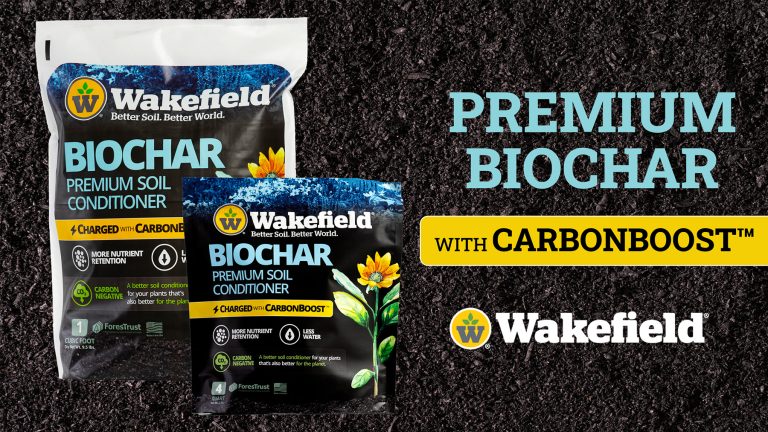
Biochar can be blended with compost, fertilizer, worm castings, or other nutrient-rich materials before it enters the soil. Often called charging, this step introduces moisture, nutrients, and microorganisms to the pore structure. It can happen during product blending, composting, or shortly before application.
Charging is different from industrial activation. It prepares biochar to work with living soil rather than changing it into a purification-grade carbon. The Guide How to Activate Biochar provides practical preparation instructions for gardeners and growers.
Good post-production work makes biochar easier to handle and better suited to its destination. Cooling prevents unwanted combustion. Moisture limits dust. Screening creates useful particle ranges. Quality checks establish consistency. Blending can prepare the material for soil and plant use.
Together, these steps preserve the benefits created during pyrolysis: durable carbon, extensive pore space, water and nutrient retention, microbial habitat, and versatile environmental performance. They complete the transformation from wood residue into a dependable resource. That transformation also supports the broader environmental benefits described in Is Biochar Environmentally Friendly?