Can biochar burn plants?
Biochar can contribute to plant stress when its properties or application do not suit the growing conditions. Calling it a soil conditioner does not rule out salt injury. Biochars contain varying amounts of soluble salts, and high application rates can adversely affect salt-sensitive plants. 1
That does not mean every biochar application causes damage. It means product selection, the amount mixed into soil and the plant’s requirements matter. A useful approach is to distinguish fertilizer burn from other causes of poor growth, then choose an amendment around the soil you have.

What causes fertilizer burn?
Excess dissolved salts make it harder for roots to take up water. Plants may wilt, develop leaf burn or suffer root injury even when soil contains moisture. Fertilizer is one possible source, but compost, manure and irrigation water can also contribute salts. The problem is the concentration around roots, not whether a product is described as natural. 2
“Burn” in this context describes stress and tissue damage, rather than heat. Plain biochar serves a different role from a complete fertilizer, but it does not make excessive fertilizer additions harmless. Read more about biochar and fertilizer when planning how to supply nutrients.
Salt content and pH are different checks
Electrical conductivity, usually shortened to EC, is used to assess soluble salts in a biochar extract. The feedstock, production process and testing method affect the result. Ask the supplier or laboratory to interpret the value for the product and intended use; a number from one extraction method should not be treated as a universal planting threshold. 1
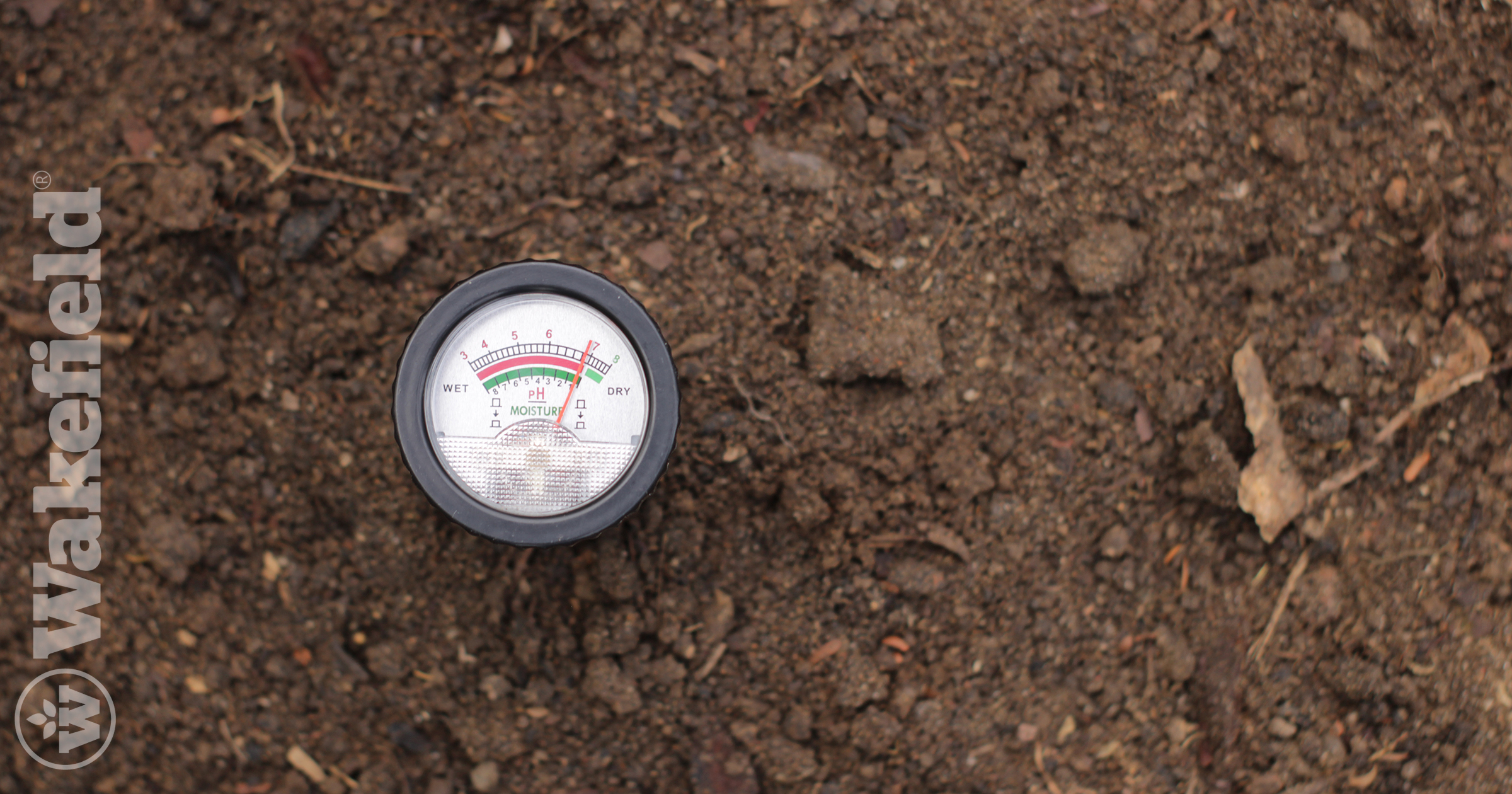
Soil pH needs a separate check. An alkaline biochar may be unsuitable where pH is already high enough or where acid-loving plants are grown. The Royal Horticultural Society also notes that some straight biochars can temporarily limit nitrogen availability under certain conditions. These effects can impair growth without being the same process as fertilizer burn. 3
Brown leaves or slow growth alone do not identify which problem is present. Our article on biochar and soil pH explains why a product’s pH and its effect in soil are different questions.

Use the product as part of a soil plan
Choose a soil-use product with clear application directions and available material information. Read the directions for the whole formulation: straight biochar, compost-containing amendments and ready-to-use growing mixes are not interchangeable. Account for fertilizer or compost you already added rather than treating each new ingredient as a separate need.
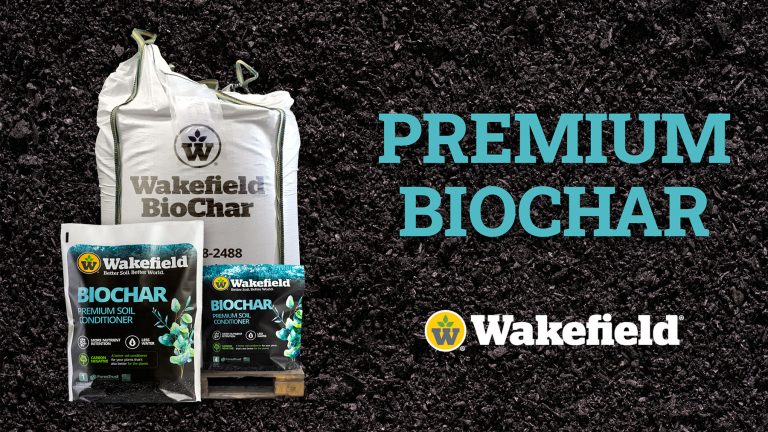
For Wakefield Premium Biochar, follow the product directions for mixing it into existing soil or a soil blend. It is a soil amendment, not a standalone potting medium. If you prepare biochar with compost, our preparation guide explains the optional process; preparation is not a guarantee against excessive salts or unsuitable pH.
If plants decline after an application, pause further fertilizer and compost additions while you investigate. Check soil moisture and drainage, record what was applied, and ask a soil-testing service whether pH and soluble-salt testing are appropriate. UMass Extension recommends testing and withholding additional nutrient amendments when excessive levels are suspected. 2 Use those findings to guide the next step, rather than adding more biochar as a general remedy.
Sources and notes
- Singh, Dolk, Shen and Camps-Arbestain (2017). Biochar pH, electrical conductivity and liming potential. In Biochar: A Guide to Analytical Methods. Salt content and measurement-method limitations.
- UMass Extension (2017). Corrective Measures and Management of Over-Fertilized Soils. Soluble salts, symptoms and testing guidance.
- Royal Horticultural Society. Biochar. Material suitability, pH and potential nitrogen effects; accessed September 22, 2026.