
Concrete and Asphalt Applications
Biochar for Concrete and Asphalt
Wakefield supplies wood-based biochar ingredients for concrete, asphalt, and related construction products. Choose bulk biochar or micronized powder to fit your mix, processing requirements, and production needs, with useful roles in strength, water behavior, and pavement performance.
Why Biochar
Renewable Carbon for Construction Materials
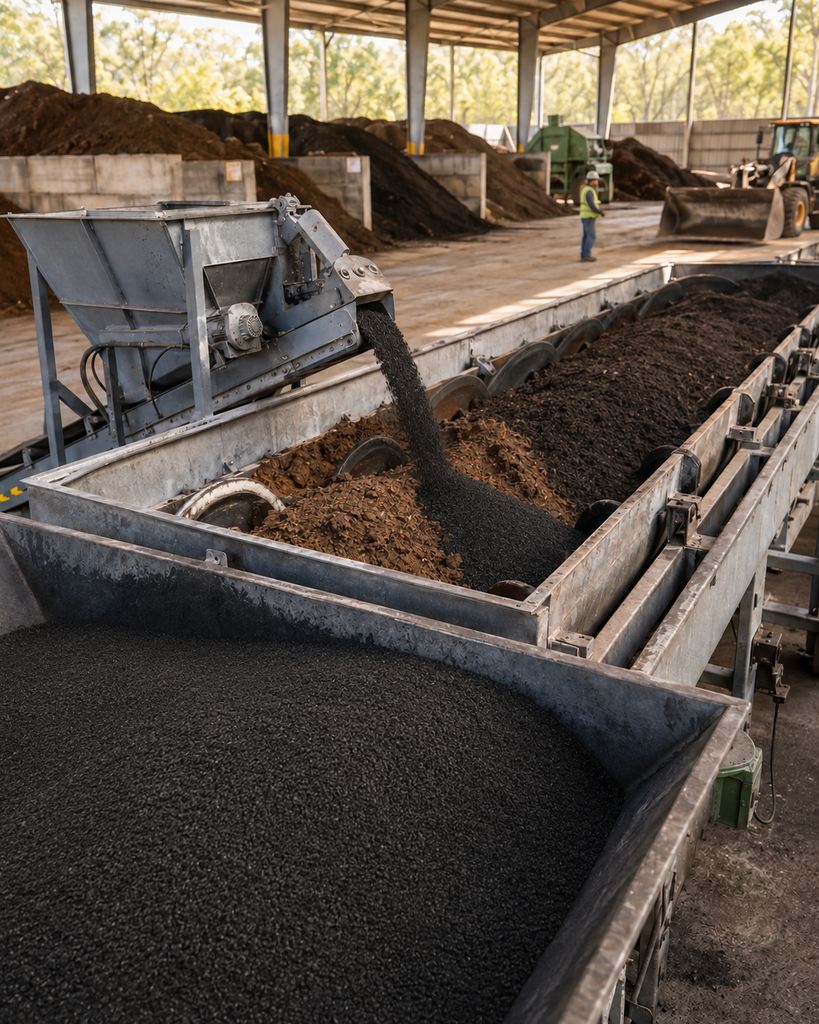
Biochar turns wood residuals into a carbon-rich ingredient for manufactured materials. Incorporating stable, plant-derived carbon into concrete and asphalt can support lower-carbon material design and reduce demand for some conventional ingredients.
For manufacturers responding to project sustainability requirements or developing lower-impact products, biochar offers another way to meet those objectives. The environmental benefit depends on sourcing, processing, transportation, and the finished formulation.
Applications
Concrete and Asphalt Applications
Concrete and Cementitious Materials
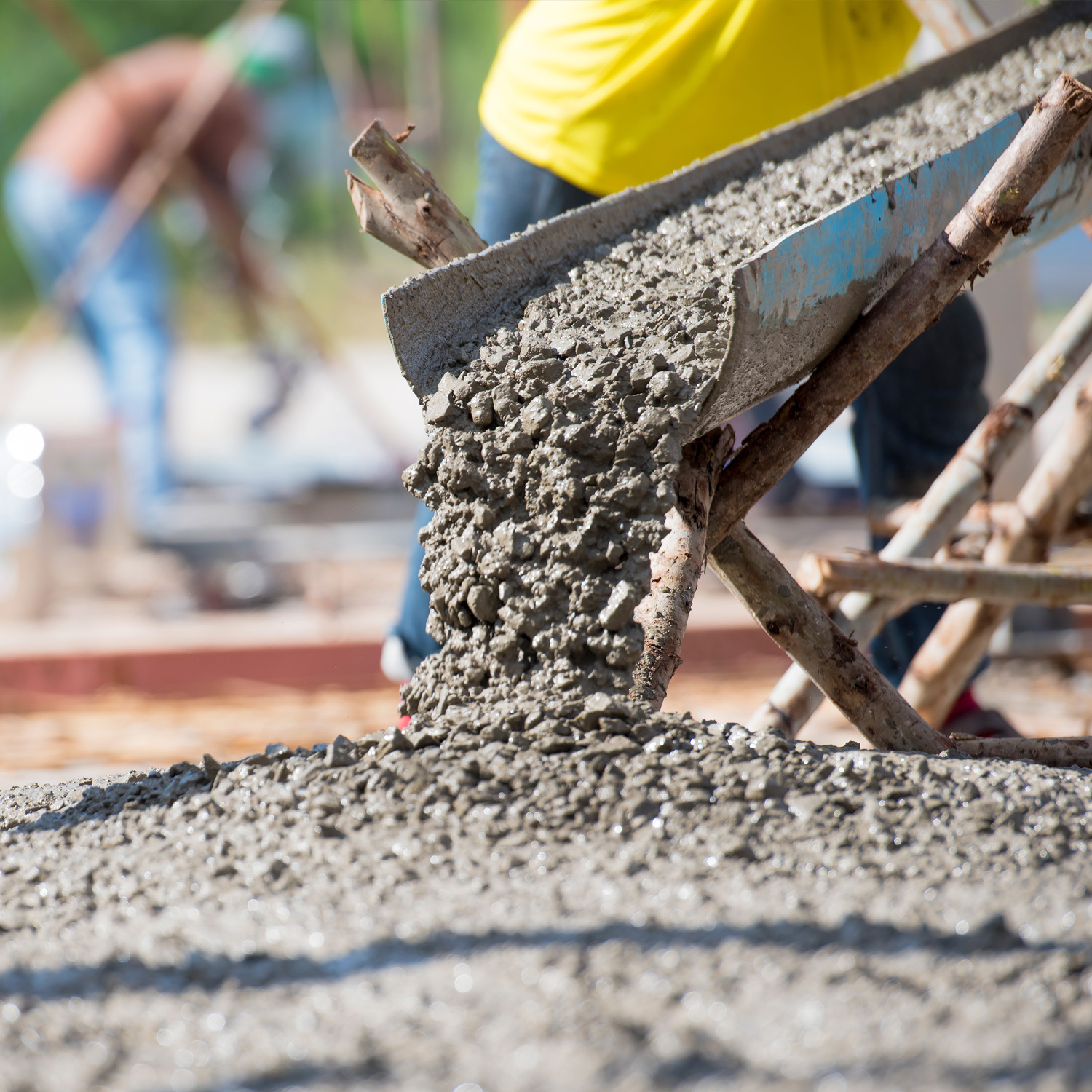
Biochar can serve as an additive, filler, or partial replacement for cement or sand. Pre-soaked biochar can support curing from within, while fine particles can help cement develop strength. Wood- and coffee-biochar studies show promising results for strength and water behavior.
Applications range from mortar and concrete mixes to installed footpath trials and textured surfaces designed for plant growth. Explore biochar in concrete and construction.
Asphalt and Pavement Materials
Biochar can replace a portion of mineral filler or modify the asphalt binder. Research has reported comparable unaged behavior in filler trials and improved heat and aging performance in selected binder formulations.
Finely processed biochar also offers a renewable black pigment for pavement treatments, adding a color role alongside work on pavement preservation. Explore biochar in asphalt and surface treatments.
Recommended Products
Choose Biochar Around Your Process
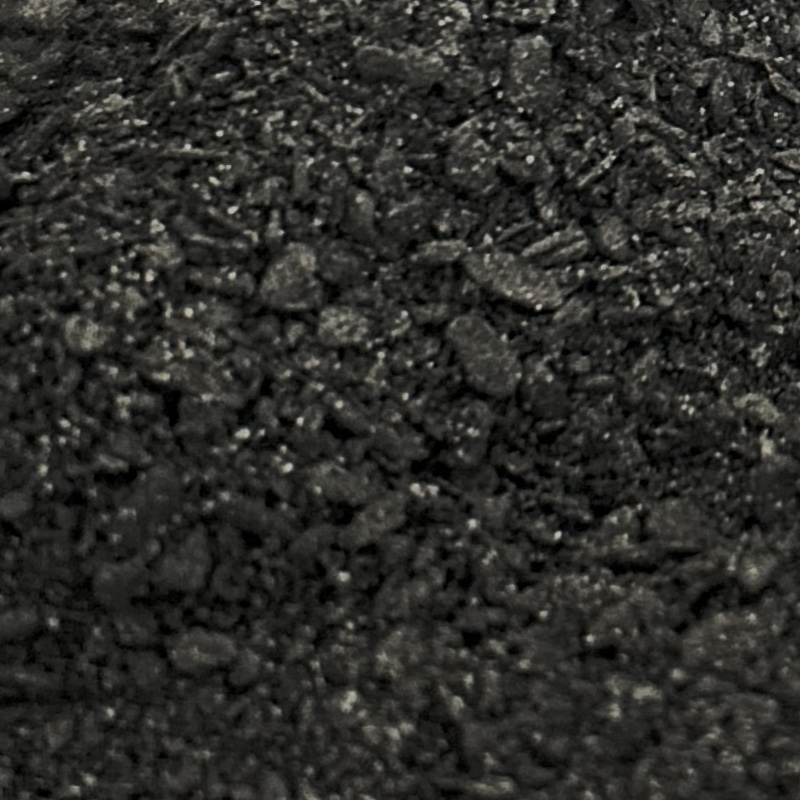
- Organic Carbon: 80–95%
- Particle Size: 80% ≤ 3 mm
- Moisture: ≤ 20%
Premium Biochar LM™
Our leading bulk option for concrete and asphalt trials when lower incoming moisture matters. Use LM for blending or further processing, including milling to match your formulation’s particle-size requirements.
Available in 2-cubic-yard bulk bags.
- Organic Carbon: 85–95%
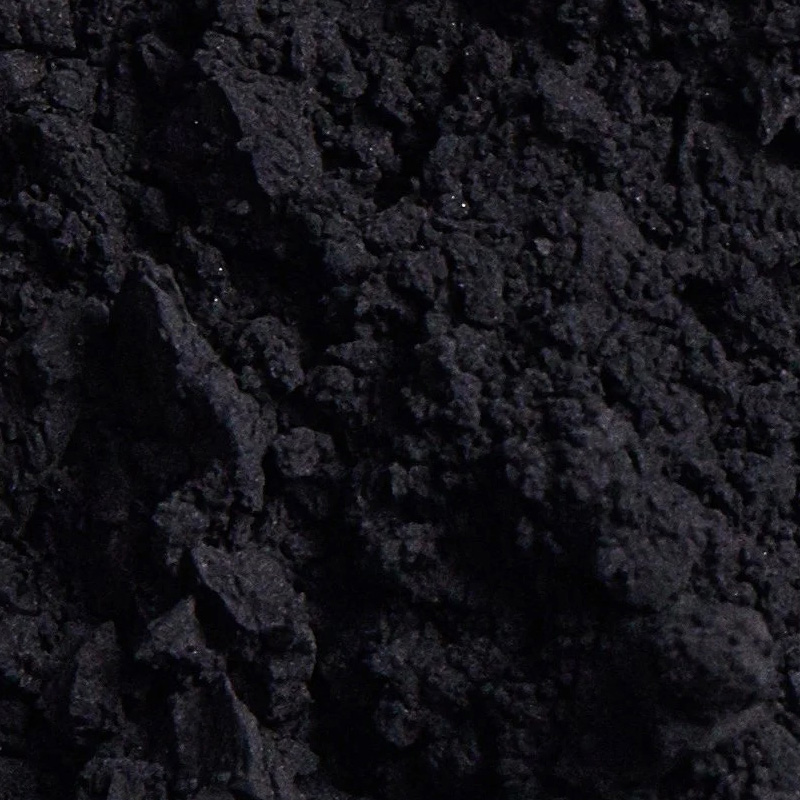
- Particle Size: < 50 µm
- Moisture: ≤ 5%
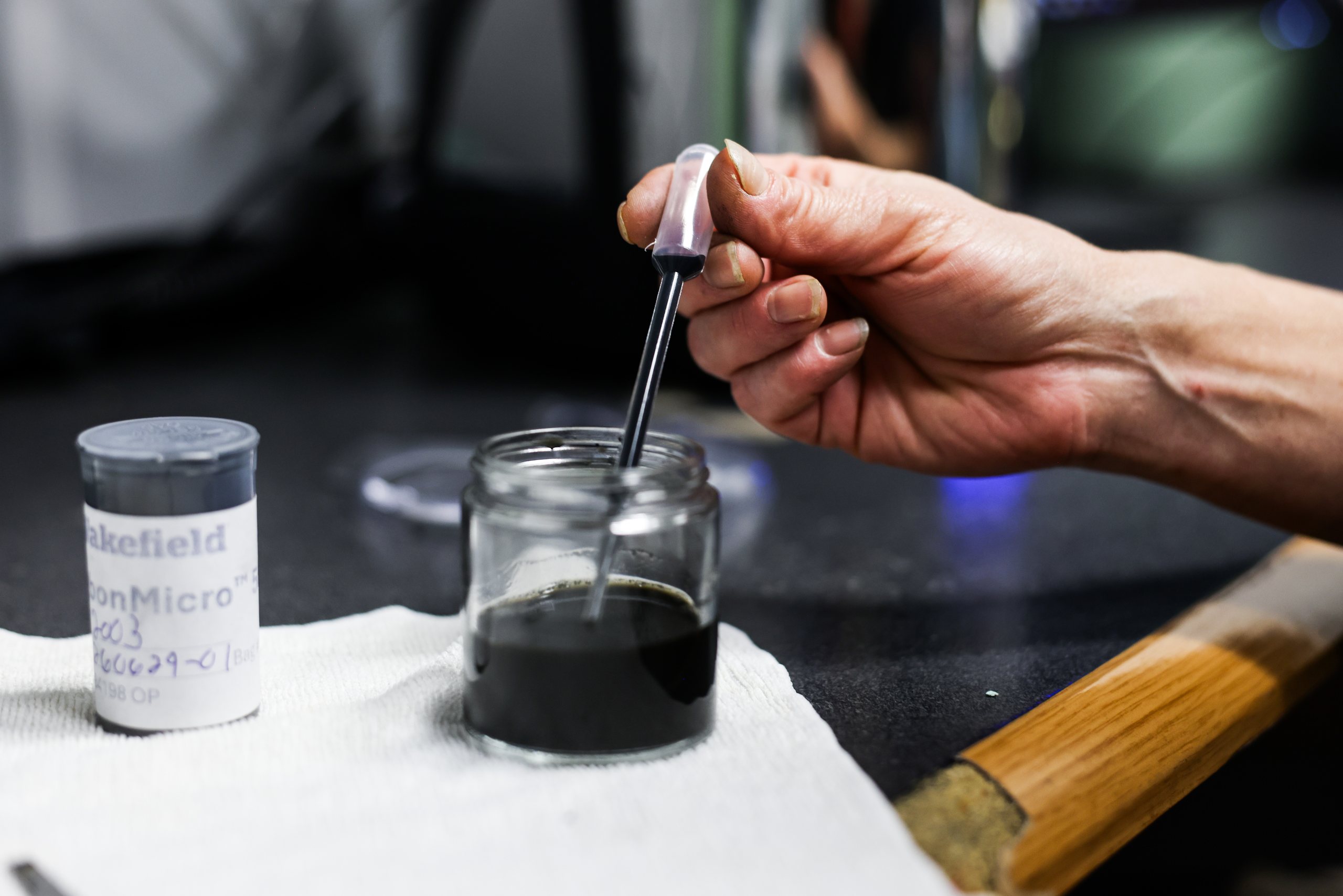
CarbonMicro® 50
Micronized, low-moisture biochar for formulations requiring a fine powder, including asphalt fillers, dispersions, and fine-particle concrete additives. Choose CarbonMicro 50 when its particle size fits your process.
Available in 1,000 lb and 2,000 lb bulk bags.
Product values reflect typical material properties and may vary by lot. See each specification sheet for the full particle-size distribution and measurement details. Samples are available upon request.
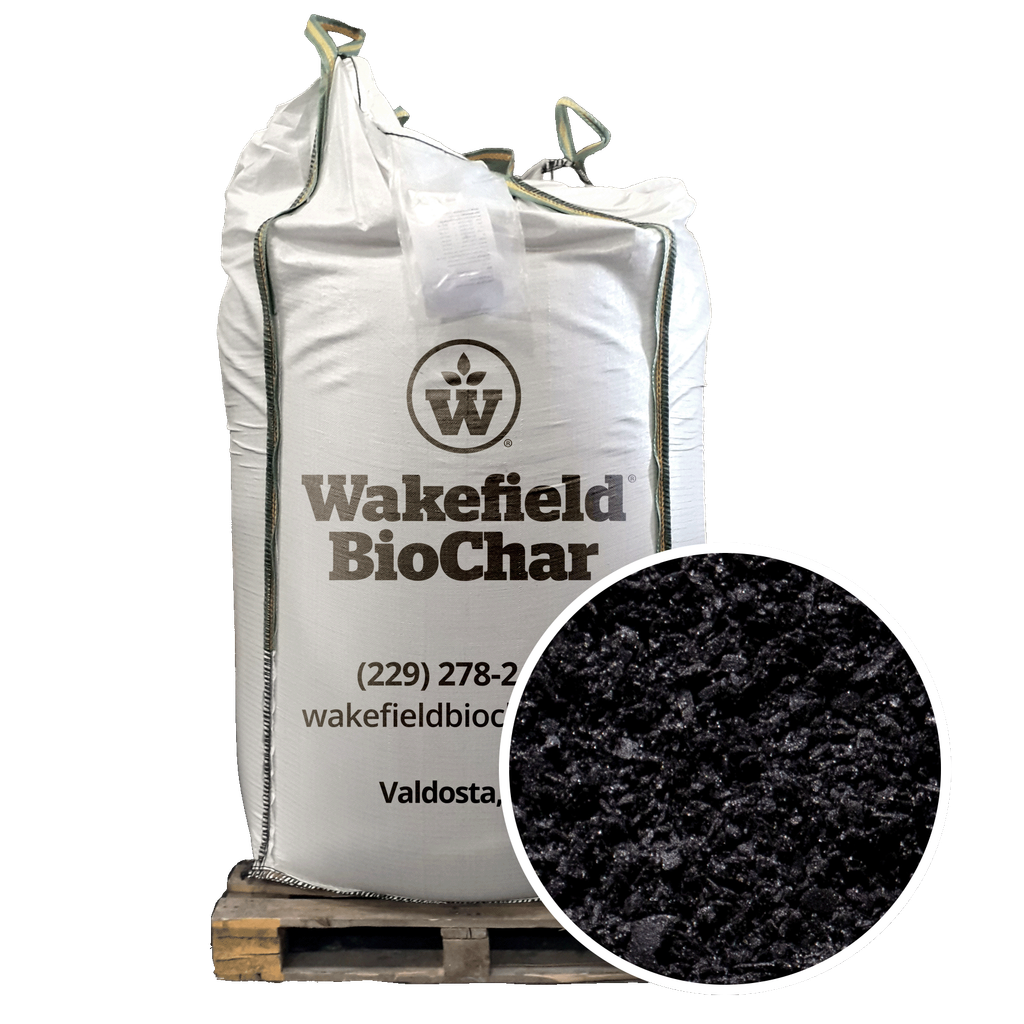
Premium Biochar
For wet mixes that accommodate its 50–60% moisture and coarser particle profile. It has been used in university concrete research.
Application Support
From Material Selection to Supply
Wakefield helps match biochar to your formulation and production requirements, including particle size, moisture, storage, and handling. Samples are available for your formulation testing.
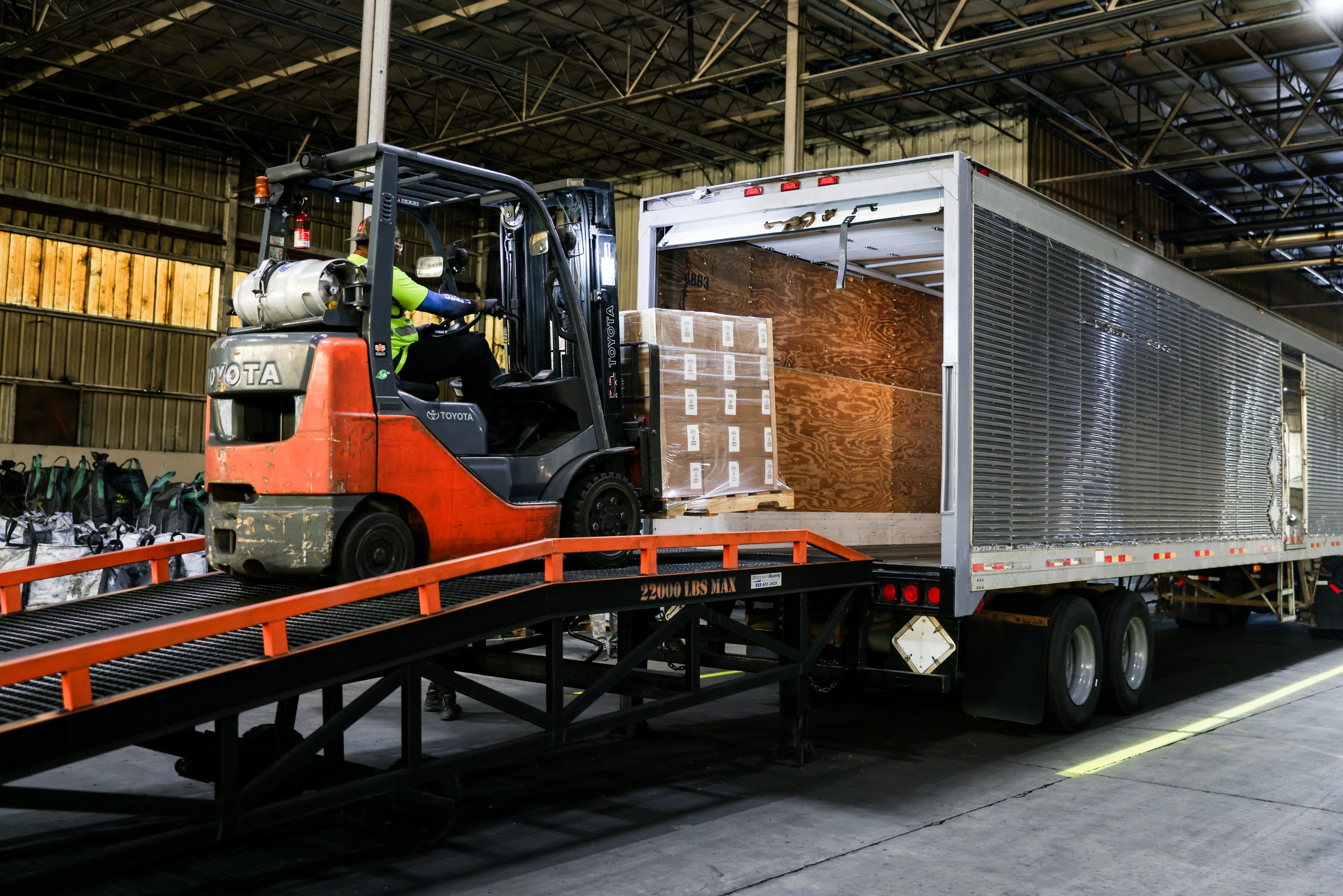
Standard products and packaging meet many manufacturers’ needs. For qualifying production volumes, we can also collaborate on tailored specifications, packaging suited to your equipment, or additional processing.
Your team determines the mix design and verifies performance against the requirements of the finished product or project. Wakefield supports that work with product information and supply planning.
Related Resources
Related Resources
FAQ
Concrete and Asphalt Questions
Can we get a sample for formulation testing?
Yes. Tell us about your application and any particle-size or moisture requirements, and we’ll help identify a suitable sample. Samples are generally paid, with shipping paid by the customer. Availability and costs are confirmed with your request.
How much biochar should we add?
There is no single addition rate for concrete or asphalt. The amount depends on whether biochar serves as an additive, filler, or replacement for another ingredient, along with the mix design and required performance. Establish the appropriate loading through formulation testing.
What is the minimum order?
Standard orders typically start at one bulk bag. Ordering several bulk bags or a full truckload generally lowers the freight cost per bag.
What product documentation is available?
Product specifications and safety data sheets (SDS) are linked from each product page. For larger-volume supply arrangements, contact Wakefield to discuss Certificates of Analysis (COAs) and any specific testing requirements.
Industrial Inquiry
Discuss Your Concrete or Asphalt Application
Tell us what you make, how you plan to incorporate biochar, and your expected volume. If you have a product in mind, include it in your message along with your delivery location and timing. We can discuss pricing, samples, particle-size and moisture requirements, packaging, and supply, or help you choose if needed.