
Industrial Biochar Applications
Biochar for Materials and Manufacturing
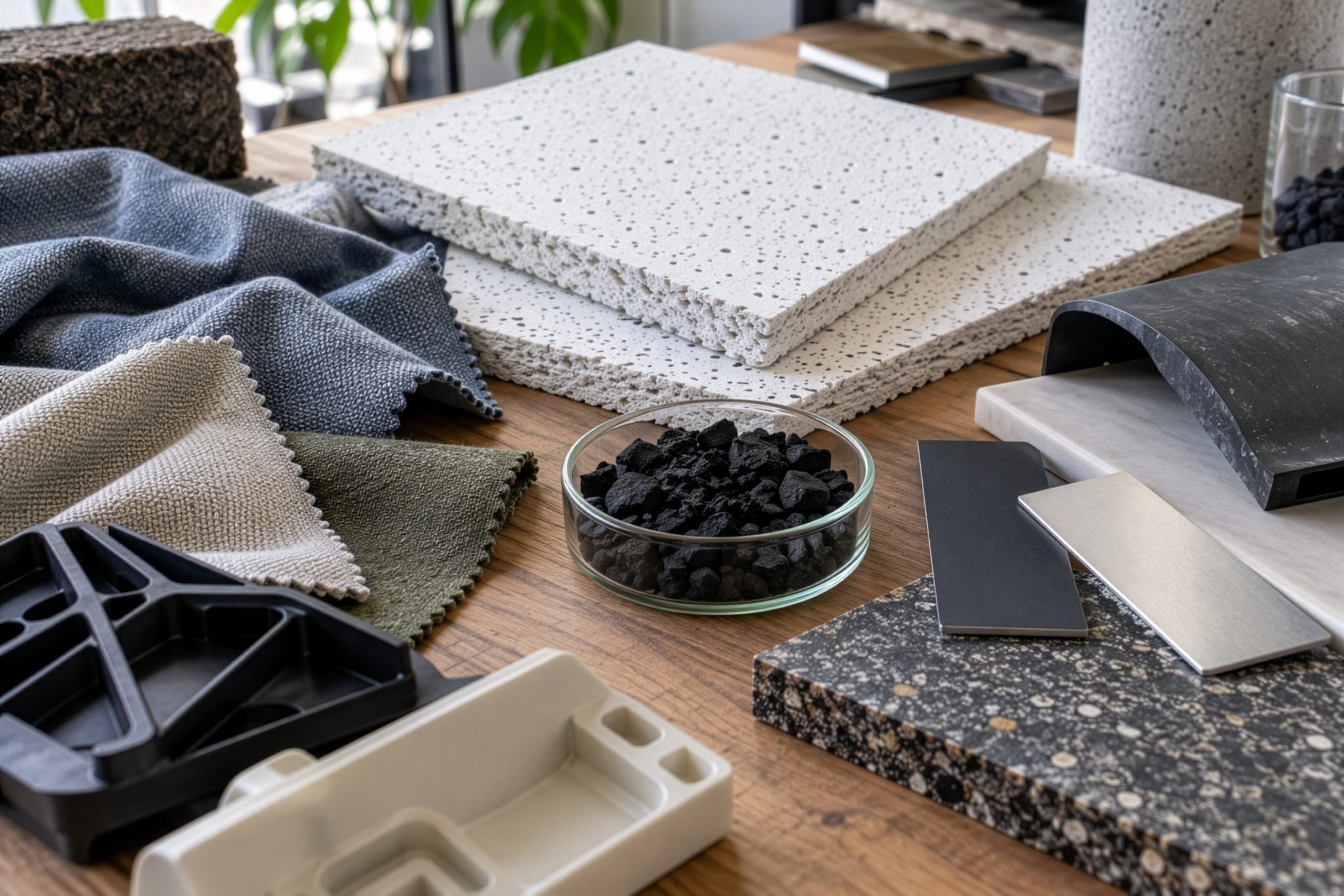
Wakefield supplies wood-derived biochar for ceiling panels, coatings, plastics, composites, and other manufactured materials. Choose fine powder or bulk biochar around your particle-size requirements, moisture balance, and production process. For qualifying production volumes, we can also discuss tailored specifications, packaging, and processing.
How Biochar Helps
Build Sustainability Into the Material
Biochar gives manufacturers a renewable carbon ingredient that can support sustainability goals and contribute useful properties to the finished product.
Lower-Carbon Product Design
Biochar is already part of commercial ceiling-panel formulations with a lower production-stage carbon footprint. It gives manufacturers a renewable ingredient for building carbon savings into their products.
Renewable Material Input
Made from wood residuals, Wakefield biochar puts an existing biomass resource to work in manufactured products. It gives formulators another option for reducing reliance on conventional carbon inputs.
Useful Material Properties
Biochar can add strength and stiffness to polymer composites, bring dark color to inks, and absorb UV light in protective wood finishes. The opportunity starts with the job you want the carbon to do.
Manufacturing Applications
Where Biochar Can Fit
Building and Interior Materials
Biochar can become part of ceiling panels and other building-material blends. Explore building and interior applications, including a commercial ceiling panel with a documented lower carbon footprint.
Plastics and Composites
Bring renewable carbon into polymer blends and molded products. Research shows how biochar can contribute strength and stiffness in selected formulations. See examples in rubber, plastics, and composites.
Coatings, Inks, and Specialty Formulations
Fine biochar can supply dark color and useful surface properties. Researchers have printed with biochar-based inks and made UV-absorbing wood finishes that hold their dark color outdoors. Explore inks and protective coatings.
Emerging applications: Specialized processing opens further possibilities for biochar-derived carbon in electrodes and conductive blends. See what researchers are developing with batteries, sensors, and conductive composites.
Recommended Wakefield Products
Choose Biochar Around Your Process
Particle size, incoming moisture, and whether you blend directly or process the material further help determine the right product. If you are evaluating a substitute for an existing carbon black ingredient, explore our Carbon Black Replacement page.
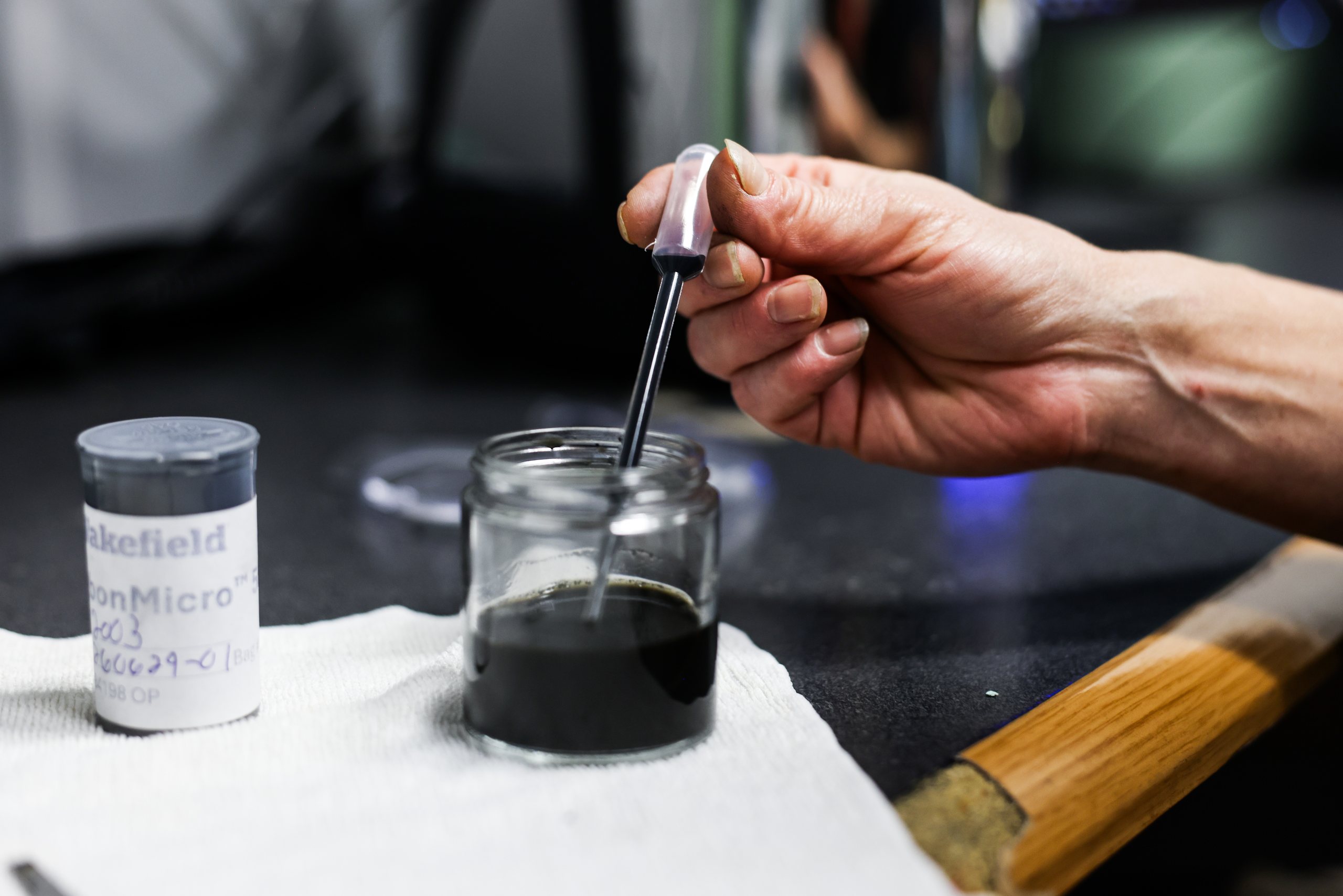
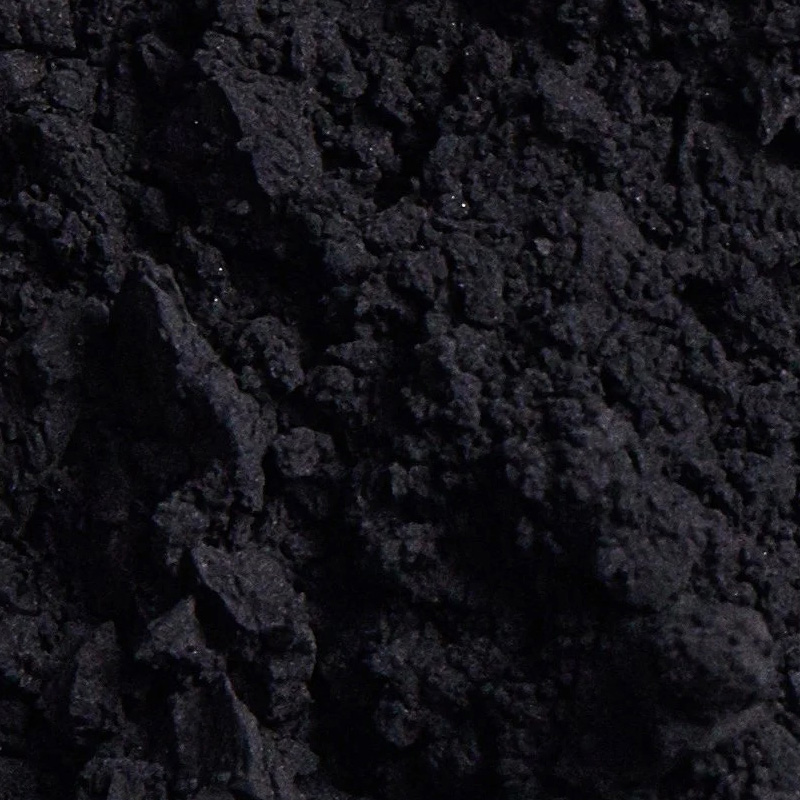
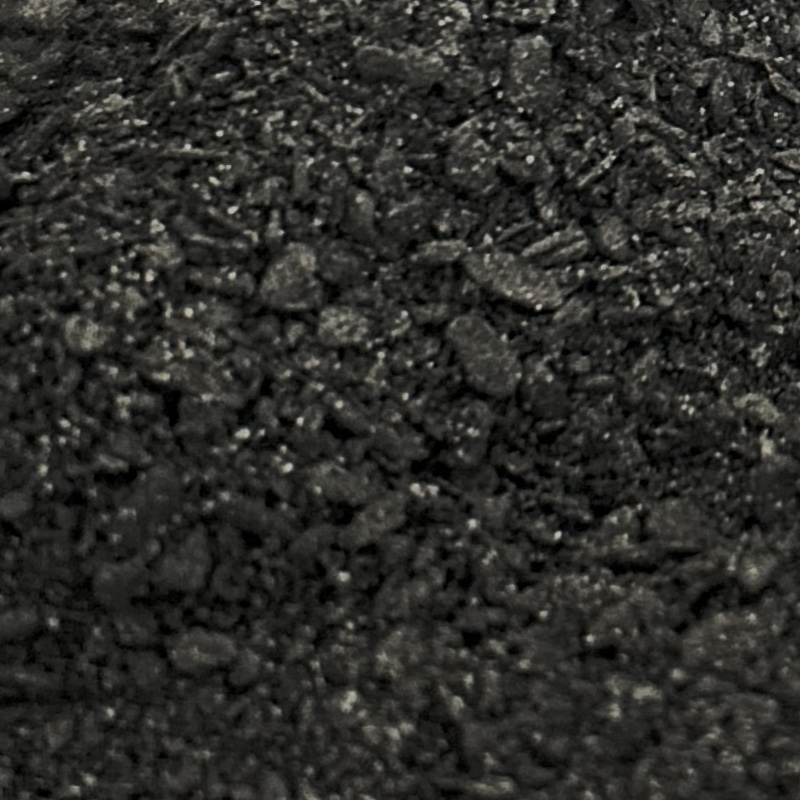
- Organic Carbon: 85–95%
- Particle Size: < 50 µm
- Moisture: ≤ 5%
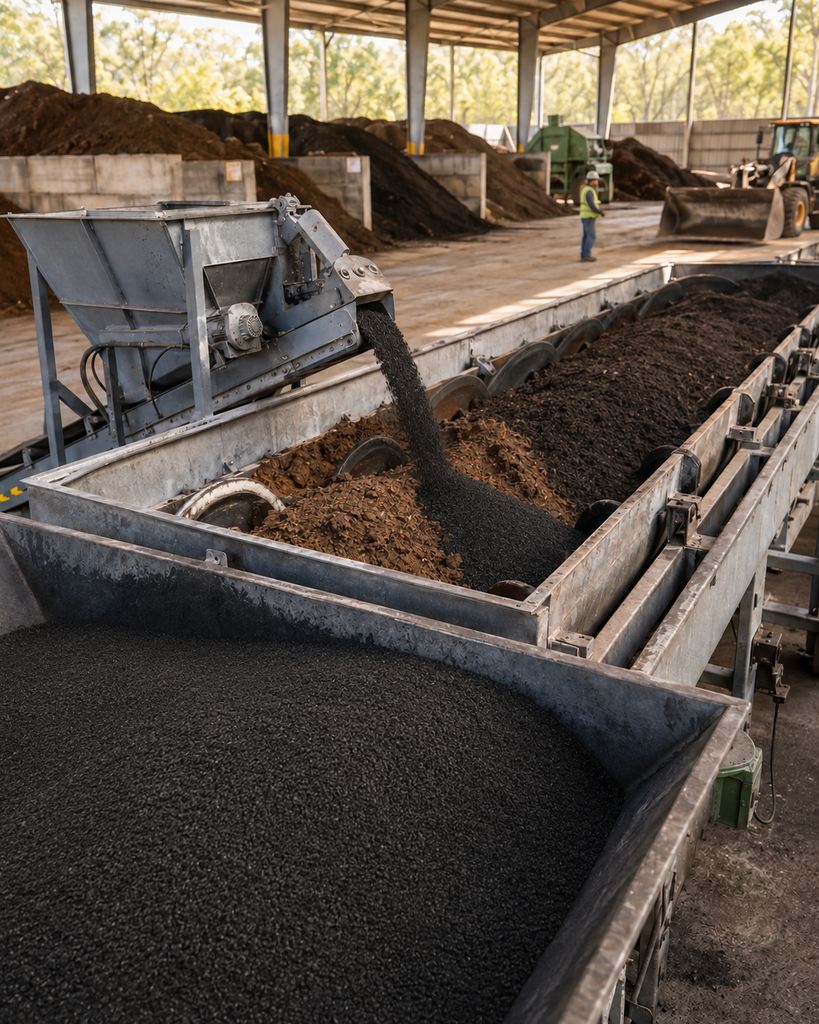
CarbonMicro® 50
Micronized, low-moisture biochar for formulations that need fine carbon powder. A starting point for coatings, inks, and composites where particle size matters.
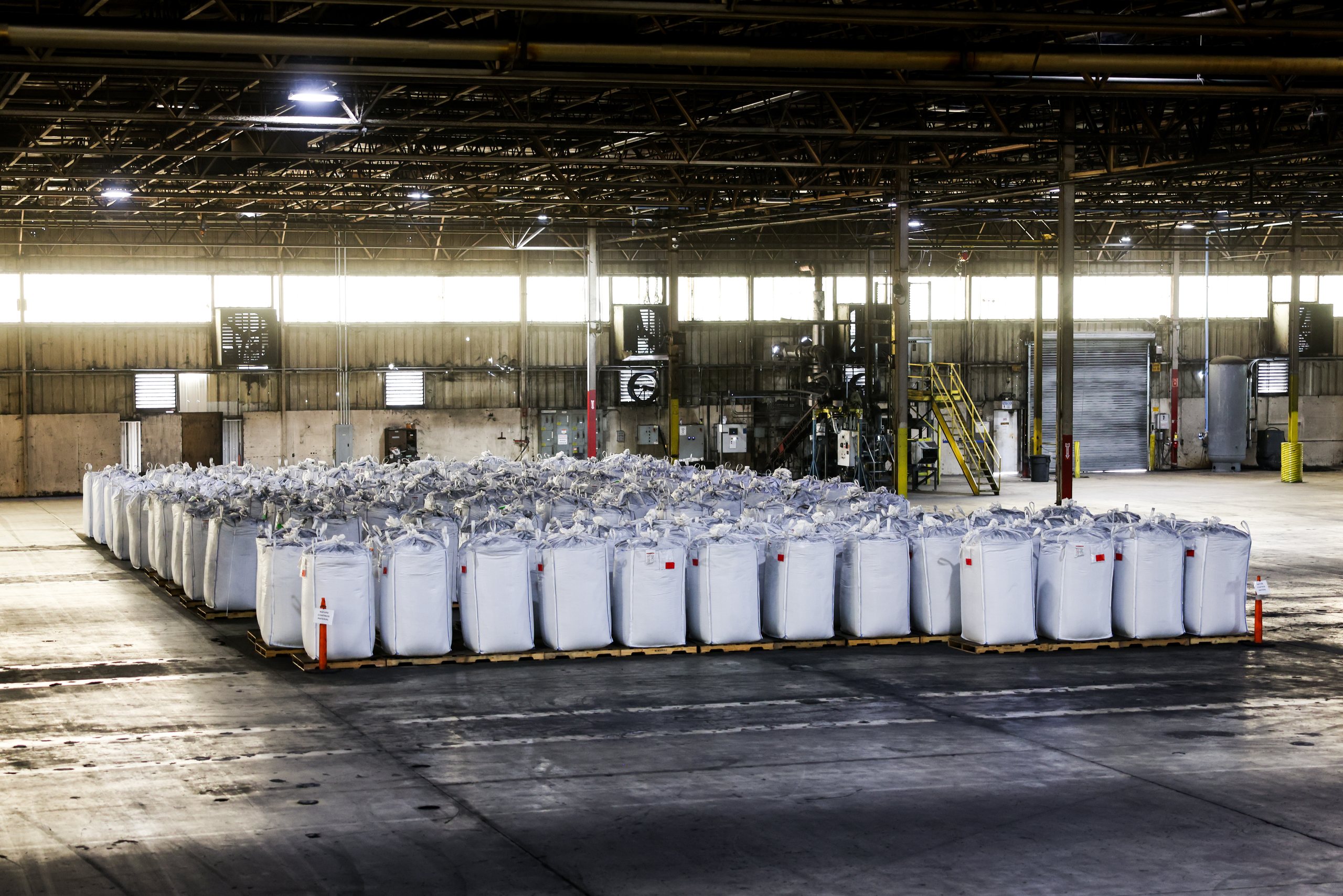
Available in 1,000 lb and 2,000 lb bulk bags.
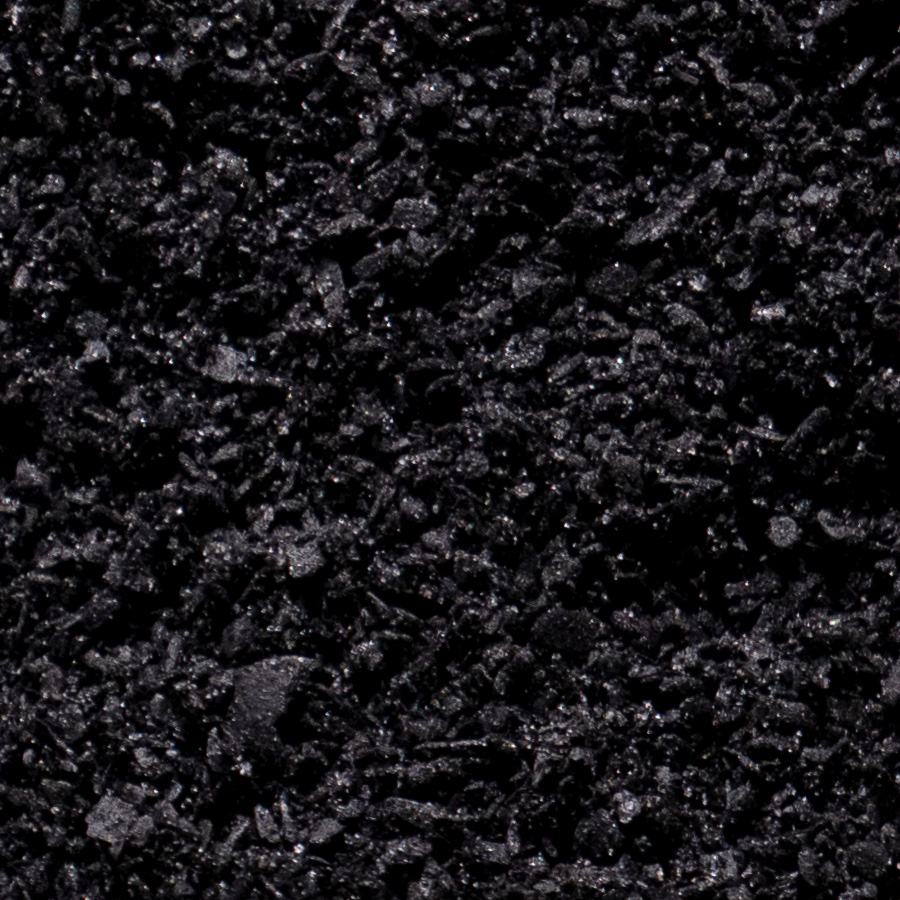
- Organic Carbon: 80–95%
- Particle Size: 80% ≤ 3 mm
- Moisture: ≤ 20%
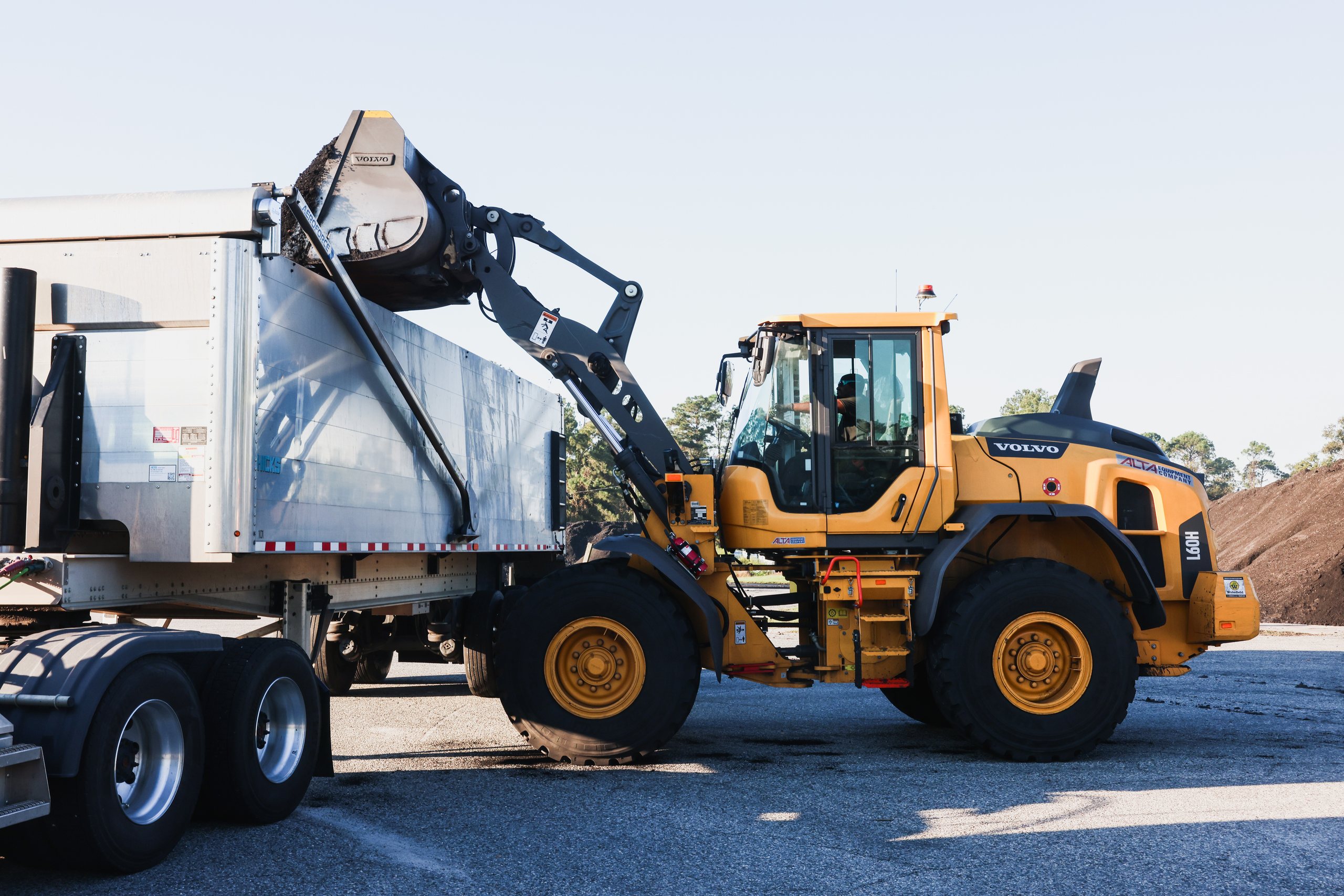
Premium Biochar LM™
Lower-moisture bulk biochar for manufacturers who need a coarser alternative to CarbonMicro 50. Use it for blending, your own milling, or further processing when incoming moisture needs to be limited.
Available in 2-cubic-yard bulk bags.
- Organic Carbon: 85–95%
- Particle Size: ≥ 95% below 2 mm
- Moisture: 50–60%
Premium Biochar
Carbon-rich biochar for formulations that accommodate moisture and a coarser particle profile. A starting point for panels, molded products, and blended materials where a micronized powder is not required.
OMRI listed. Available in 2-cubic-yard bulk bags or loose truckloads.
Product values reflect typical material properties and may vary by lot. See each specification sheet for the full particle-size distribution and measurement details. Samples are available upon request.
Built Around Your Process
From Material Selection to Production
Wakefield helps match biochar to your formulation and production requirements, including particle size, moisture, storage, and handling.
Standard products and packaging meet many manufacturers’ needs. For qualifying production volumes, we can also collaborate on tailored specifications, packaging suited to your equipment, or additional processing.
Tell us what you make, how you will blend or process the biochar, and your expected volume so we can identify a practical starting material.
FAQ
Can we get a sample for formulation testing?
Yes. Tell us about your application and any particle-size or moisture requirements, and we’ll help identify a suitable sample. Samples are generally paid, with shipping paid by the customer. Availability and costs are confirmed with your request.
What is the minimum order?
Standard orders typically start at one bulk bag. Ordering several bulk bags or a full truckload generally lowers the freight cost per bag.
What product documentation is available?
Product specifications and safety data sheets (SDS) are linked from each product page. For larger-volume supply arrangements, contact Wakefield to discuss Certificates of Analysis (COAs) and any specific testing requirements.
Can biochar replace an existing ingredient in our formulation?
Biochar can replace a portion of certain fillers or carbon ingredients. Use formulation testing to identify the replacement rate that fits your processing conditions and finished-product requirements.
Manufacturing Inquiry
Discuss Your Manufacturing Application
Tell us what you manufacture, your production process, and expected biochar volume. If you have a Wakefield product in mind, include it in your message along with your delivery location and timing. We can discuss samples, pricing, and supply, or help you choose a suitable material if needed.