Plants rely on soil for water, air, and essential nutrients. Over time, growing plants, erosion, runoff, and the loss of organic matter can reduce the nutrients available in the root zone. This process is called soil nutrient depletion. Biochar supports healthier soil by helping it retain nutrients, manage water, and maintain the structure needed for roots and soil organisms to thrive.
What Causes Soil Nutrient Depletion?
Every harvest, mowing, or season of plant growth removes nutrients from soil. Fallen leaves and plant material can return some of those nutrients as they break down, but removing that material interrupts the cycle. Repeated planting without replacing organic matter can gradually leave soil less fertile.
Water and wind also move nutrients. Heavy rain can wash soil from the surface or carry soluble nutrients below plant roots. This loss happens more quickly in soil with little organic matter or weak structure. Compaction can add to the problem by limiting water movement, airflow, and root growth.
How Depleted Soil Affects Plants
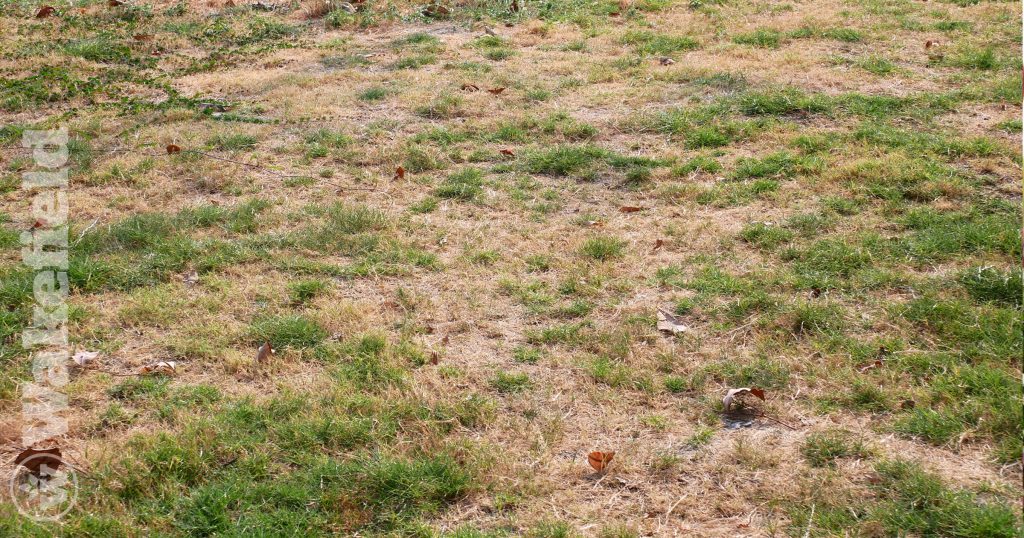
Nitrogen, phosphorus, potassium, calcium, and other nutrients each support important plant functions. When the soil cannot supply enough of them, plants may grow slowly, develop weak roots, lose color, or produce fewer flowers and fruits. Lawns can become thin and recover slowly from heat or heavy use.
Nutrient depletion also affects the living soil community. Microorganisms break down organic material and help move nutrients through the soil food web. When soil loses organic matter, moisture, and pore space, that activity slows and fewer nutrients cycle back into forms plants can use. The NRCS explains how these connected physical, chemical, and biological qualities shape soil health.
How Biochar Supports Nutrient-Rich Soil
Wood-based biochar has a porous structure and a large internal surface. When added to soil, those surfaces help hold nutrients supplied by compost, fertilizer, and decaying organic matter. Keeping more nutrients in the root zone gives plants a better chance to use them instead of losing them through runoff or leaching.

Biochar also holds moisture and adds pore space for air and water. Its surfaces provide habitat for microorganisms involved in nutrient cycling. Because biochar breaks down very slowly, these benefits continue for many years and help build a more stable soil environment.
Biochar and Nutrient Sources Work Together
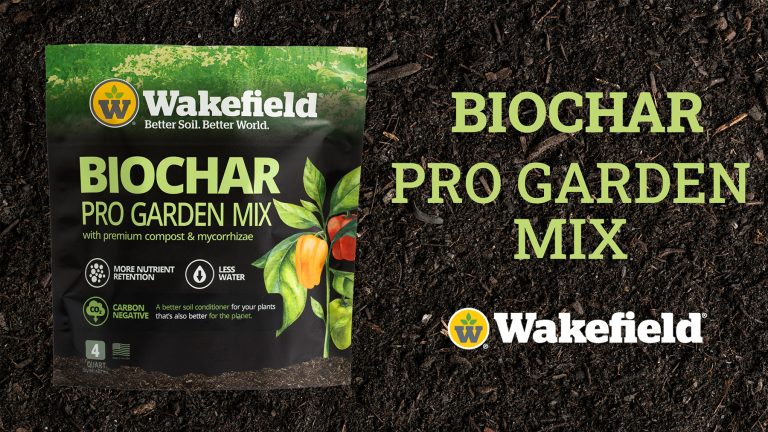
Biochar is a soil conditioner rather than a complete fertilizer. Its main role is to improve the way soil holds and manages resources. Compost supplies organic matter and a broad mix of nutrients, while fertilizer provides selected nutrients. Biochar helps keep those inputs available to roots and soil life.
This partnership supports gardens, farms, lawns, and landscapes. It helps rebuild the natural cycle in which nutrients remain in the soil, move through living organisms, and return to plant roots. Learn more about what biochar is and how its lasting structure supports healthy soil.