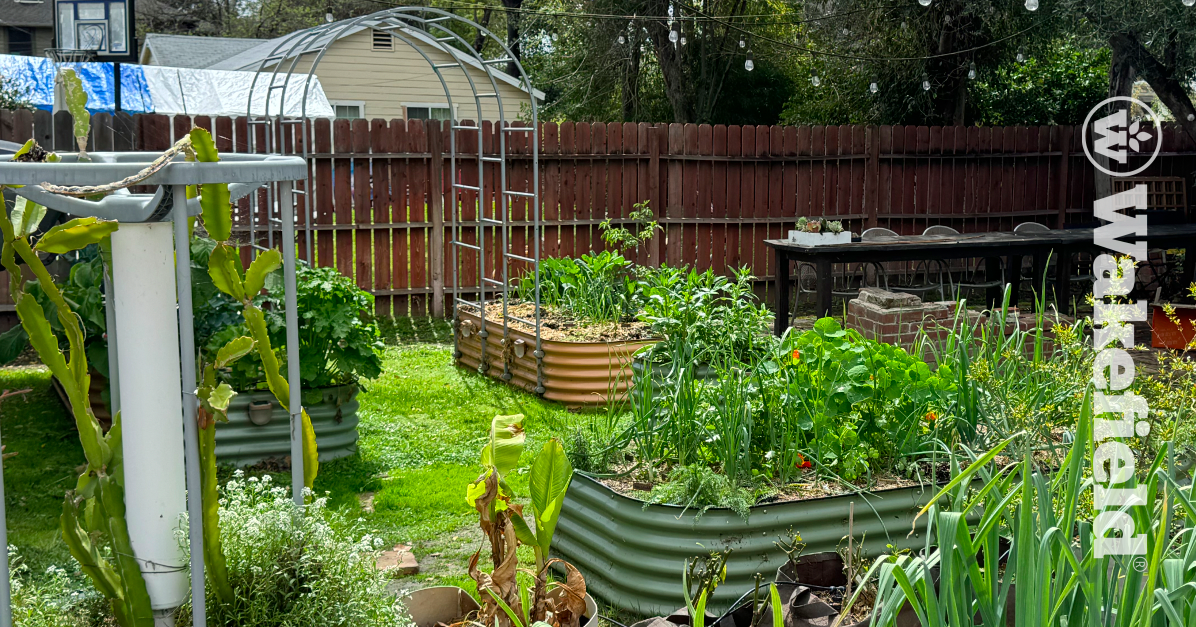
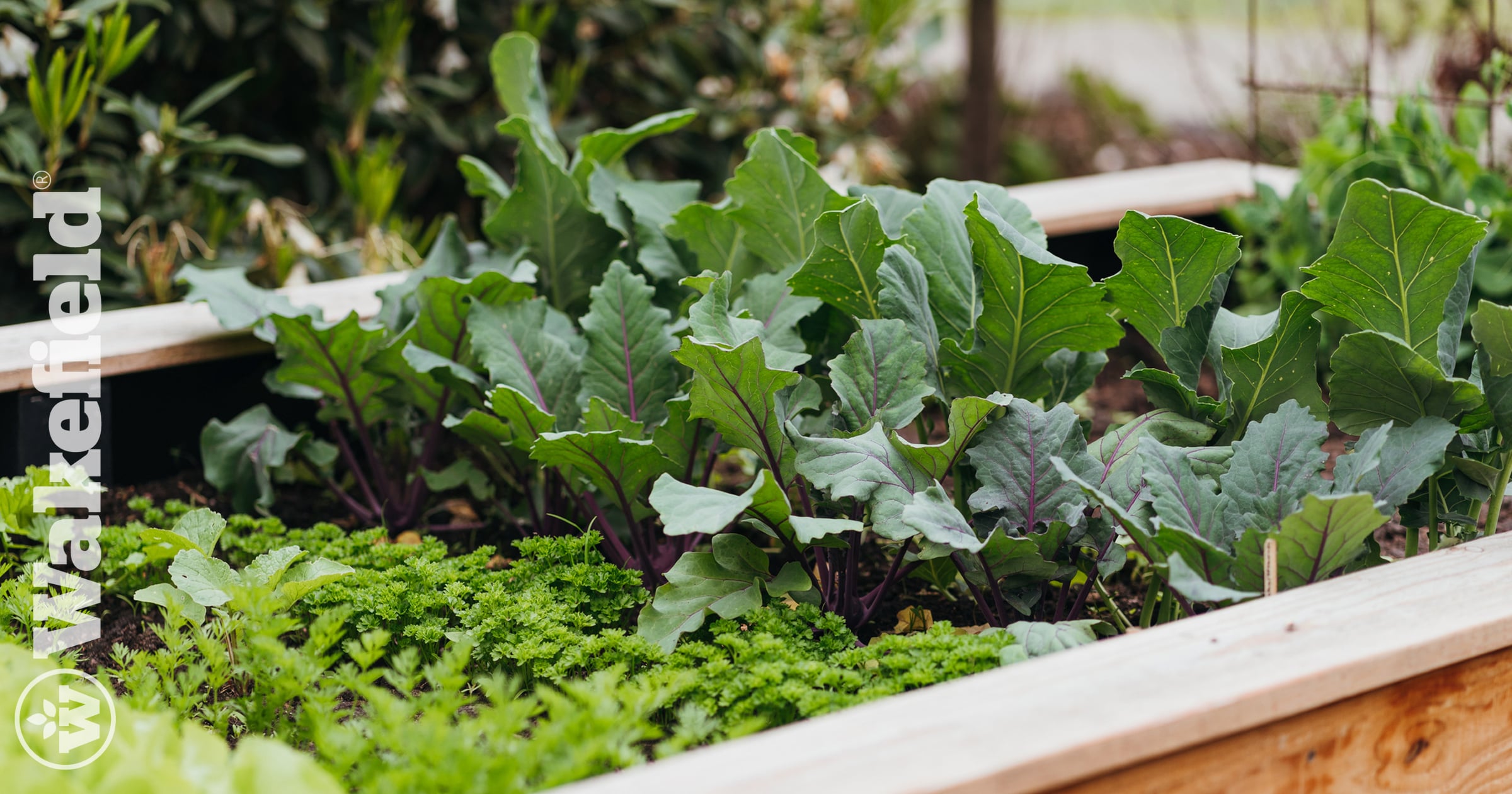
Spring soil preparation gives seeds and young plants a strong place to grow. Winter rain, snow, and foot traffic can leave garden beds covered with debris or pressed down at the surface. A few focused tasks can restore airflow, improve water movement, and renew the root zone before planting begins.
Biochar and compost work especially well during this seasonal reset. Compost adds organic matter and plant nutrients. Biochar adds a durable, porous structure that helps the soil retain water and nutrients while providing habitat for soil organisms. Together, they build a better foundation for vegetables, herbs, and flowers.

Clear the Garden Bed
Remove dead annual plants, fallen branches, old plant supports, and weeds. Healthy leaves and plant material can go into compost, while diseased plants and mature weed seeds should be handled separately. Clearing the bed makes it easier to see the soil surface and gives new seedlings room to grow.
Loosen Compacted Soil
Use a garden fork to gently open the upper soil without turning the entire bed upside down. Work around established roots and avoid stepping in the planting area. Loosening compacted sections creates space for air, water, roots, and soil organisms while preserving much of the existing soil structure.
Prepare Biochar With Compost
Combine biochar with finished compost so the porous material begins holding moisture and nutrients before it reaches the bed. Lightly moisten the mixture to control dust and make it easier to spread. This pairing brings together compost’s nutrient-rich organic matter and biochar’s long-lasting structure.
Add the Amendment Mixture
Spread the biochar and compost blend evenly at the application rate listed on the biochar package. Mix it through the upper root zone instead of leaving a thick layer on the surface. Rake the bed level so seeds and transplants will have consistent contact with the improved soil.
Plan the Spring Planting
Place tall crops where they will not shade shorter plants, give mature plants enough room, and rotate crop families when space allows. Mark rows or planting areas before sowing. A clear plan protects the prepared soil from extra foot traffic and makes watering and harvest easier later.
Plant, Water, and Mulch
Plant seeds and transplants at their recommended depth, then water the bed thoroughly. Apply a light mulch around established plants to slow moisture loss, limit weeds, and protect the soil surface. Keep new plantings evenly moist while their roots begin exploring the amended soil.
Why Biochar Belongs in Spring Soil Preparation
Biochar improves more than one part of the root zone. Its pores hold water that plants can use between rain and watering. Its surfaces retain nutrients supplied by compost and fertilizer, helping keep them near roots. Biochar also adds spaces for air and creates habitat for organisms involved in decomposition and nutrient cycling.
Unlike materials that break down within a growing season, biochar remains in the soil and continues contributing to its structure. That makes spring application an investment in the current garden and the seasons that follow. Learn more about the relationship between biochar and healthy soil.

Keep Building Soil Through the Season
Spring preparation starts the season, but everyday garden care keeps the soil working well. Maintain mulch, return healthy plant material to compost, water deeply enough to reach roots, and avoid walking in planted beds. These habits protect pore space and keep organic matter moving through the garden.
Biochar supports those practices rather than replacing them. Its lasting pore structure works alongside fresh organic matter, roots, moisture, and soil life. For more ideas, explore composting with biochar or follow the complete guide to using biochar in your garden.