A carbon ingredient can help a battery electrode carry current or turn a change in a material into an electrical signal. Biochar brings a renewable source to those roles. Researchers are using specially prepared biochars to make working electrodes and responsive composites, expanding the possibilities for carbon derived from biomass.1, 2, 3
For manufacturers exploring renewable ingredients, these applications offer more than a change in sourcing. They put the carbon to work in the way a product functions.
Helping battery electrodes carry current
In a lithium-ion battery study, researchers used biochar made from lignin, a natural component of wood and other plants, as the conductive additive in graphite electrodes. The selected biochar helped carry current alongside the graphite. Test cells showed slightly better efficiency and performance at higher charging or discharging rates than cells using carbon black as the additive.1
The graphite kept its role as the material that stores lithium. Biochar supplied the supporting electrical connection. That gives battery developers a specific place to introduce renewable carbon within an electrode, alongside the active material they already use.1
Printing a sensor with biomass-derived carbon
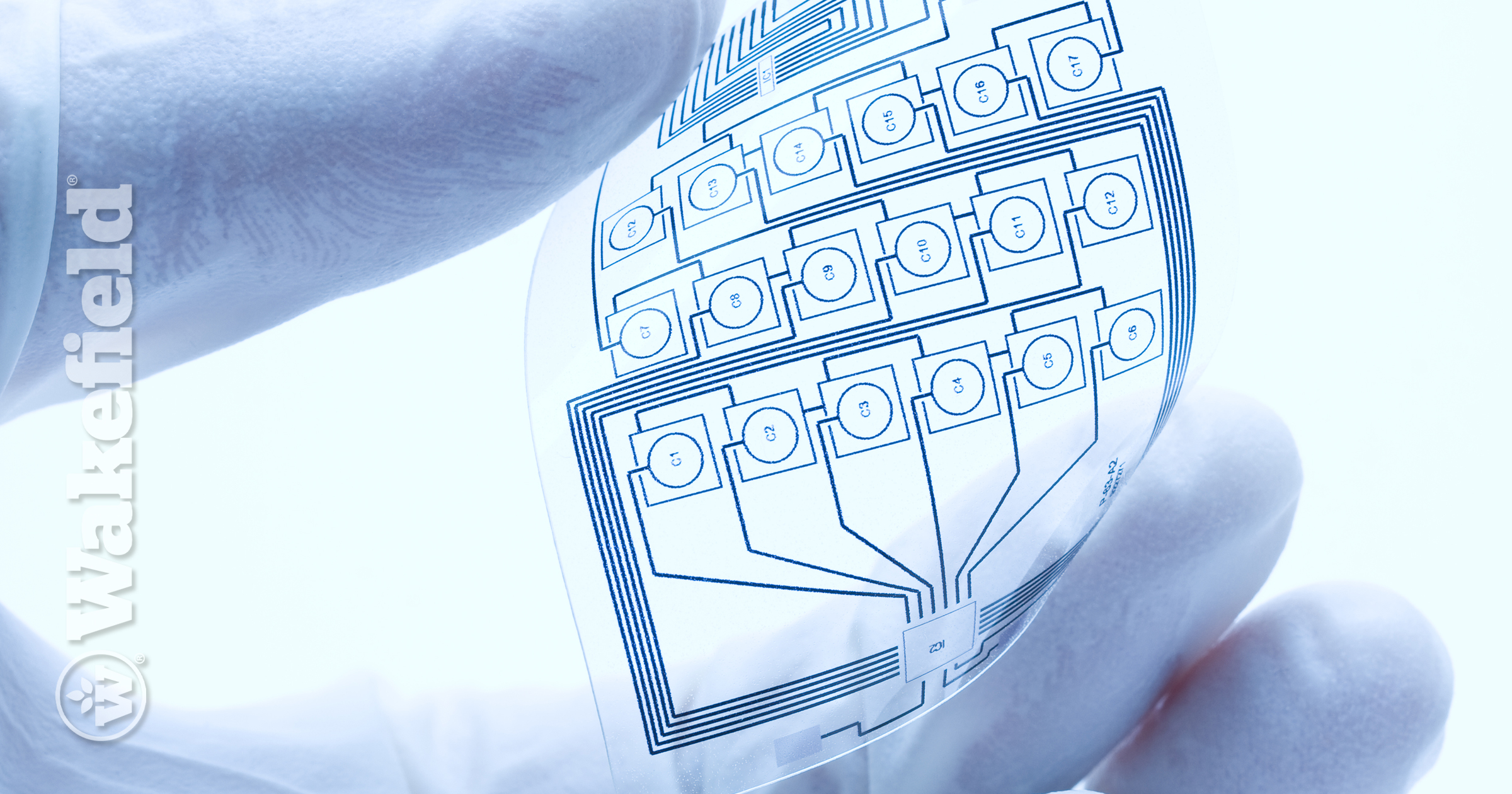
Conductive ink gives biochar a different job from the black pigments used in graphics. A printed electrode uses the carbon to carry an electrical signal. In a 2025 study, researchers turned peanut-shell biochar into ink and applied it through a stencil to make electrodes.2
They then used those electrodes to detect paracetamol, also known as acetaminophen, as a test chemical. The result connected agricultural residue with a working analytical device: carbon from discarded shells became part of the surface that produced the measurement.2
For developers of printed sensors, the appeal is a carbon ingredient that can be shaped into an electrode through printing. Its source becomes part of the material story, while its electrical behavior supports the device’s purpose.
Plastics that record a physical change
Biochar can also give a plastic an electrical response. Researchers combined biochar from spent tea leaves with polypropylene and measured how its conductivity changed under pressure. As the composite permanently deformed, its ability to carry current increased.3
That lasting change is the useful feature: the material can retain an electrical indication that deformation occurred. The study demonstrated behavior suited to a sensor that records a permanent change, bringing sensing potential into the composite itself.3
Here, the connections among carbon particles matter as much as the presence of carbon. Pressure changes those connections, linking a physical event to a measurable electrical response.3
Start with the carbon’s role
These examples give biochar three distinct jobs: supporting current flow in a battery electrode, forming a printed sensing surface, and giving a plastic a response to deformation. Material selection and preparation connect each job to the finished result.1, 2, 3
Wakefield CarbonMicro® 50 is a fine biochar powder made from wood residuals for manufactured products. If your team is exploring biomass-derived carbon, we can discuss the material’s specifications and supply in relation to your development needs.
See the CarbonMicro® 50 specification sheet for product information, or visit Carbon Black Replacement to connect with Wakefield.
Sources and notes
-
Biochar as a conductive battery additive 2022. Primary publisher abstract reviewed. Selected lignin-derived biochar worked in graphite anodes; the tested lithium iron phosphate cathodes did not show the same substitution success. This concerns the conductive additive, not replacement of graphite or a battery-grade CM50 result View Source ↩
-
Biochar-based printed electrodes 2025. Primary publisher abstract reviewed; full-text retrieval was blocked. The study used treated peanut-shell biochar and stencil printing, with paracetamol as a proof-of-concept analyte. No clinical, field-monitoring, or CM50 performance claim is implied View Source ↩
-
Pressure-responsive polypropylene composites 2020. Full text reviewed. Spent-tea biochar was produced at 1000°C; the study included 30% and 40% filler loadings and a carbon black comparison. The response involved irreversible deformation. Results describe experimental composites, not a reusable sensor or a CM50 test View Source ↩