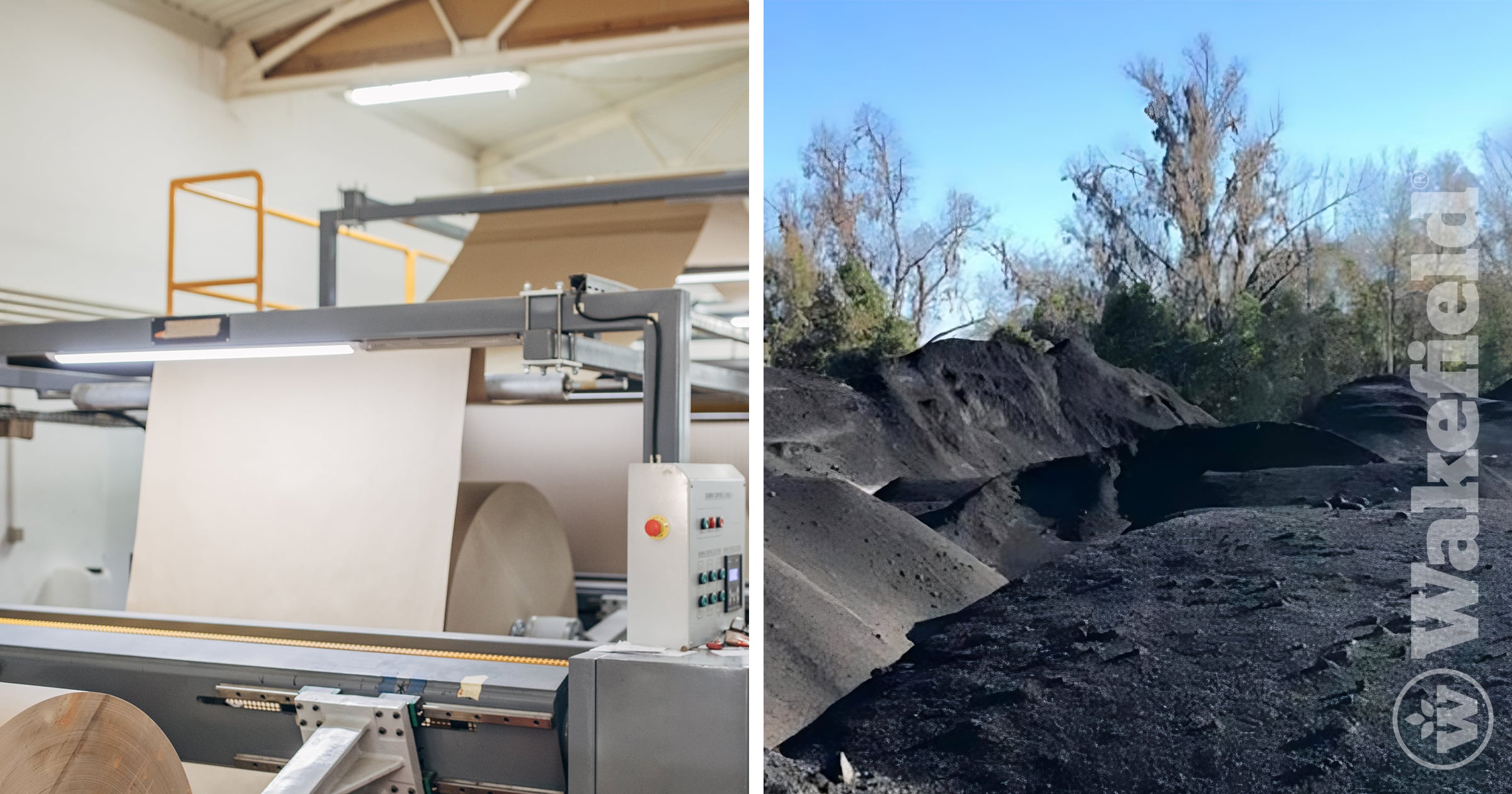
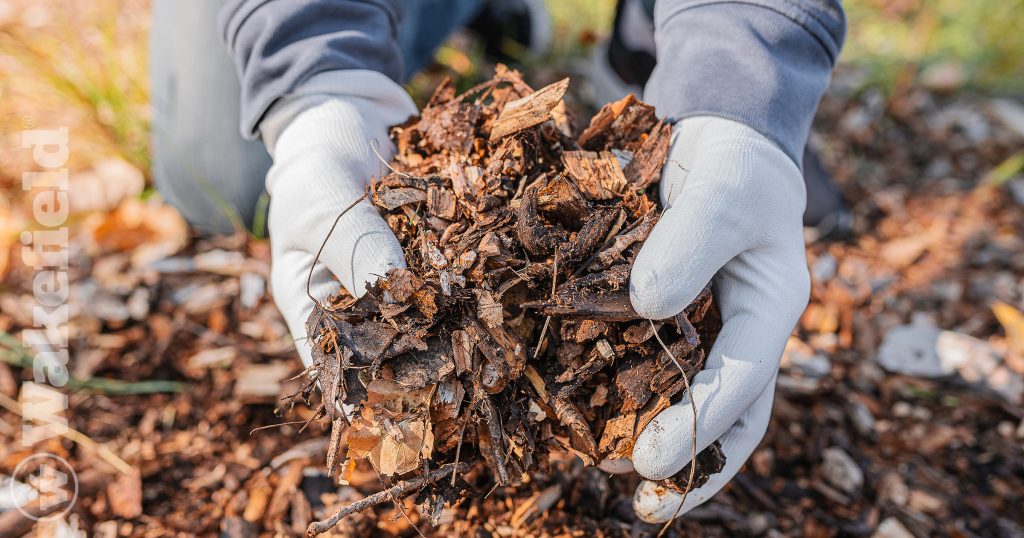
Industries that work with wood and other plant materials can produce large amounts of leftover material, often called biomass residuals. These residuals can include bark, sawdust, wood chips, pulp, and other plant-based materials left over from manufacturing or processing. In some cases, they are hauled away or sent to landfills.
Beneficial reuse turns suitable materials that might otherwise be discarded into useful products. For mills, manufacturers, and cities that manage leftover wood and plant material, one option may be turning suitable materials into biochar. Instead of treating the material only as waste, it can become a carbon-rich product with uses in agriculture, soil management, and other markets.
What Is Beneficial Reuse?
The U.S. Environmental Protection Agency describes beneficial use as using an industrial non-hazardous secondary material in place of a new or raw material. The reused material should provide a real benefit, meet the needs of its intended use, and protect human health and the environment.
This idea is part of a circular economy. In a traditional system, raw materials are used to make products, and leftover materials are eventually thrown away. A circular approach looks for ways to keep materials in use for longer. For a mill, that could mean finding a productive use for wood or plant material left over from its operations.
Turning Biomass Residuals Into Biochar
Some biomass residuals can be used as feedstock for biochar. Biochar is made by heating biomass with little or no oxygen. This process is called pyrolysis. Instead of allowing all of the biomass to break down, pyrolysis converts part of it into a stable, carbon-rich solid.
This creates a different path for suitable materials such as wood chips, sawdust, bark, and other plant-based residuals. Research from the USDA Agricultural Research Service has found that converting biomass into biochar can help its carbon remain in soil and keep it out of the atmosphere longer.
Not every biomass stream is right for making biochar. Feedstock quality, moisture, contaminants, production methods, and the needs of the final market all matter. When the material is suitable, however, biochar production can turn a low-value residual into a useful carbon product.
Potential Value for Mills and Manufacturers
Mills and other businesses can incur substantial costs when handling pulp, wood, bark, sawdust, and similar residuals. A beneficial reuse program may reduce reliance on disposal while creating a marketable material, creating a potential for better profit and reduced waste.
Organizations should compare feedstock volumes, transportation, preprocessing, conversion technology, energy use, permitting, quality testing, and product demand. Some pyrolysis systems can recover thermal energy or process gases, although the usable output and financial value depend on the system and facility.
At the same time, biochar creates opportunities in other markets. Depending on its properties and specifications, biochar can be used as a soil amendment. Other forms of biochar and engineered carbon products may be developed for uses such as filtration, environmental applications, and industrial materials.
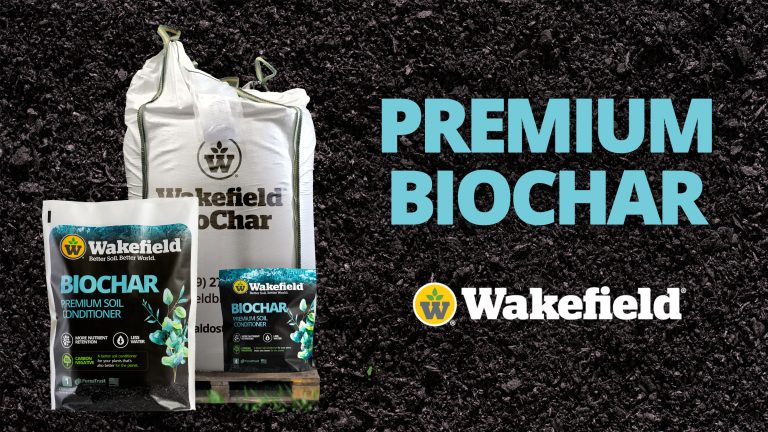
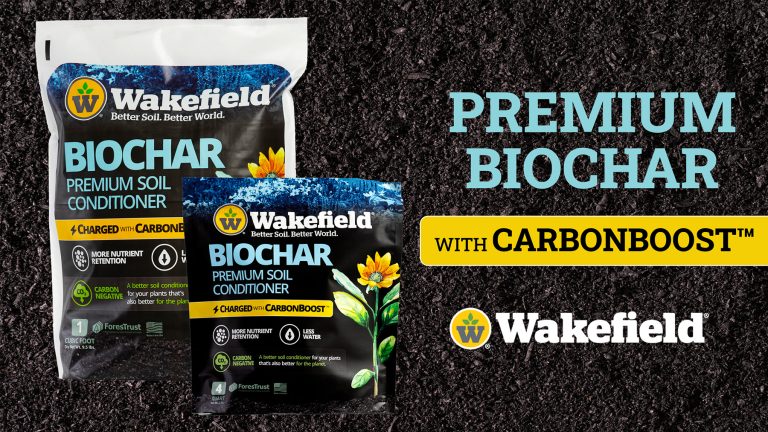
This is what makes beneficial reuse different from simply moving waste from one place to another. The goal is to create a material that has a useful purpose and meets the requirements of the market where it will be used. Learn more about Wakefield BioChar’s approach to manufacturing and our available biochar products.
Why Material Reuse Matters
Waste is a growing global challenge. The World Bank’s What a Waste 3.0 reports that the world generated 2.56 billion tonnes of municipal solid waste in 2022. Under a business-as-usual scenario, that amount could reach 3.86 billion tonnes by 2050.
Industrial biomass residuals are only one part of the larger waste picture. Still, they show how changing the way we think about materials can create new opportunities. Reducing waste at its source remains important. For some biomass streams, biochar can provide that path.
Evaluating a Biomass Beneficial Reuse Program
Wakefield BioChar works with mills, manufacturers, and other biomass producers to find productive uses for suitable residual materials.
That process starts with the material itself. Different biomass sources produce different types of biochar, so the feedstock and final product must be matched with an appropriate use and market. When that match works, material that once represented a waste-management challenge can become the starting point for a useful product.
Contact Wakefield BioChar to discuss your biomass residuals and whether they may be suitable for beneficial reuse through biochar production.