Yes—soil and potting mix containing biochar can be used again for gardening. Biochar lasts for years, so an application can serve more than one growing season. Reusing the soil gives you a way to keep that lasting amendment working in your garden. 1
You might be moving soil from one bed to another, emptying last season’s pots or making room for different plants. In each case, the useful question is how to prepare the existing soil or mix for its next planting.
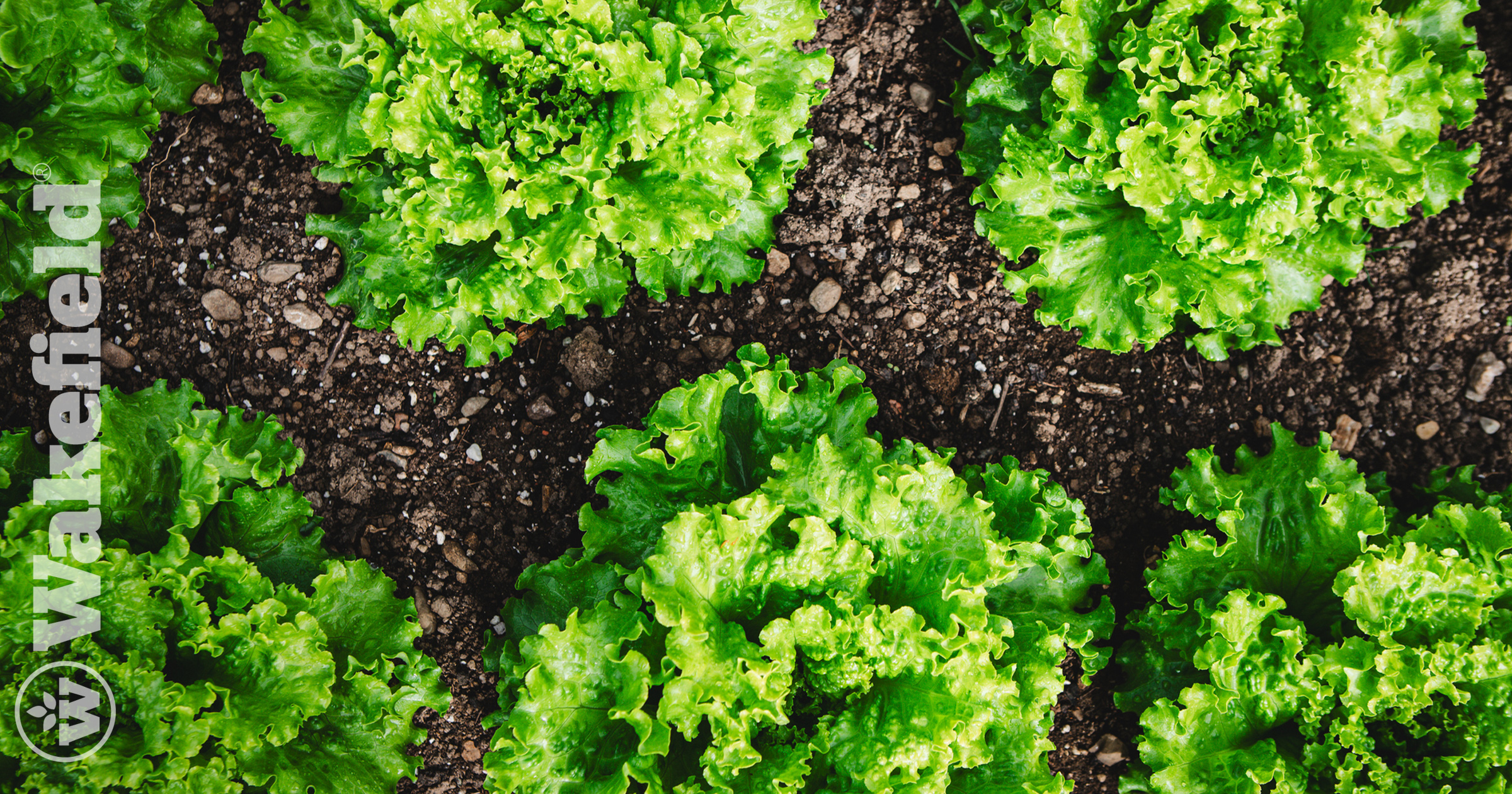
Moving biochar-amended soil to another bed
If you’re rebuilding a bed or changing your garden layout, suitable soil that already contains biochar can go with you. The biochar remains part of the material you move. There is no need to separate it out and start again. This practical approach follows from biochar’s lasting presence in soil. 1
Consider the new plants and the condition of the soil as you prepare the bed. Keep the biochar mixed through the planting soil, where roots will grow, and continue normal soil care. Our guide to biochar and soil health explains how it supports the environment around roots.
Reusing potting mix that contains biochar
Biochar-containing growing mixes can support another planting. In a greenhouse study, researchers grew lettuce in mixes previously used for spinach, including two blends containing biochar. The reused blends produced yields comparable to fresh coconut coir, with nutrients supplied through irrigation. 2
For your containers, remove old plant debris and refresh the mix with suitable fresh potting mix or finished compost. Continue feeding and watering for the next crop. Avoid reusing mix from containers where root disease was a problem. 3
The biochar can stay in the mix while you refresh the other ingredients. Our article on using biochar and compost together explains their complementary roles.
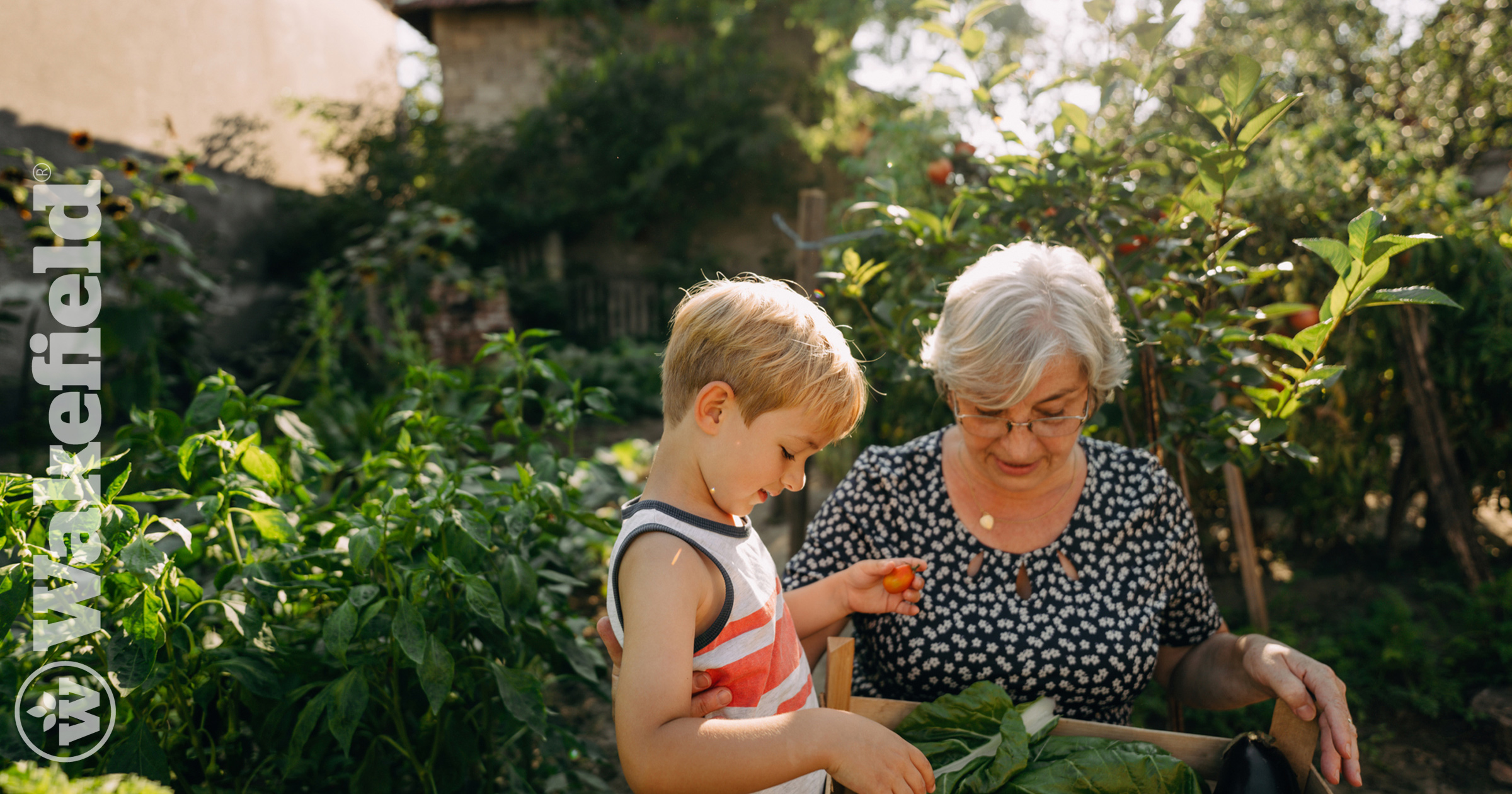
Can garden soil go into pots?
Moving soil between beds is different from filling a pot. Garden soil can be too dense in a container, leaving roots with too little air and holding too much water. Having biochar in the soil does not automatically make the whole blend suitable for pots. 3
For containers, start with a mix designed for container growing, or refresh an existing potting mix. Save suitable garden soil for beds where it can continue to serve your plants.
Do you need to add more biochar?
A new growing season does not automatically call for another full application. The biochar you added previously is still part of the soil. Nutrients can be replenished through normal plant care while that lasting amendment remains in place. 1
When expanding a bed or refreshing a potting mix, the biochar already present counts toward the new blend. Think about the balance of the whole mix—soil or growing media, organic matter and biochar—and use your product’s recommended proportions as a guide.
For new blends, Wakefield Premium Biochar provides the biochar ingredient. Explore our gardening solutions for products and application guidance.
A quick note about “spent biochar”
Biochar is also used in filtration and other treatment systems. Material from those uses may contain captured pollutants and needs a separate suitability assessment before garden use. Reusing your garden’s biochar-amended soil is a different situation. 4
Sources and notes
-
Biochar Guidance on lasting soil use and ongoing nutrition. Moving amended soil between beds is a practical inference from persistence, rather than a directly tested transfer method. View Source ↩
-
Reusing Coir-Based Substrates for Lettuce Growth: Nutrient Content and Phytonutrients Accumulation Horticulturae, 9(10), 1080 2023. Greenhouse research on a second crop in previously used mixes. The mixes remained in their original containers and received nutrient solution; the trial did not test moving garden soil or indefinite reuse. View Source ↩
-
Growing Media (Potting Soil) for Containers Updated March 23, 2026. General guidance on refreshing container mixes, root-disease considerations and the differences between garden soil and container media. View Source ↩
-
A comprehensive review on the chemical regeneration of biochar adsorbent for sustainable wastewater treatment npj Clean Water, 5, 29 2022. Background on captured pollutants and the management of spent treatment media. View Source ↩