Biochar and compost are both valuable soil amendments, but they do different jobs. Compost feeds the soil with decomposed organic matter and nutrients. Biochar builds a stable, porous framework that helps the soil hold water, nutrients, air, and beneficial microorganisms.
The choice is not biochar or compost. Using them together combines the active benefits of compost with the lasting structure of biochar.
What Is Compost?
Compost is organic material that microorganisms have broken down into a dark, soil-like amendment. Food scraps, leaves, grass clippings, manure, and other plant materials can become compost when moisture, air, and decomposer organisms work together. The USDA describes composting as a way to recycle organic materials into a useful soil amendment.
Finished compost adds organic matter, nutrients, and living microorganisms to soil. It supports nutrient cycling, helps soil form stable aggregates, and improves moisture management. Because soil organisms continue to use and break down compost, gardeners and growers often add it again over time.
What Is Biochar?
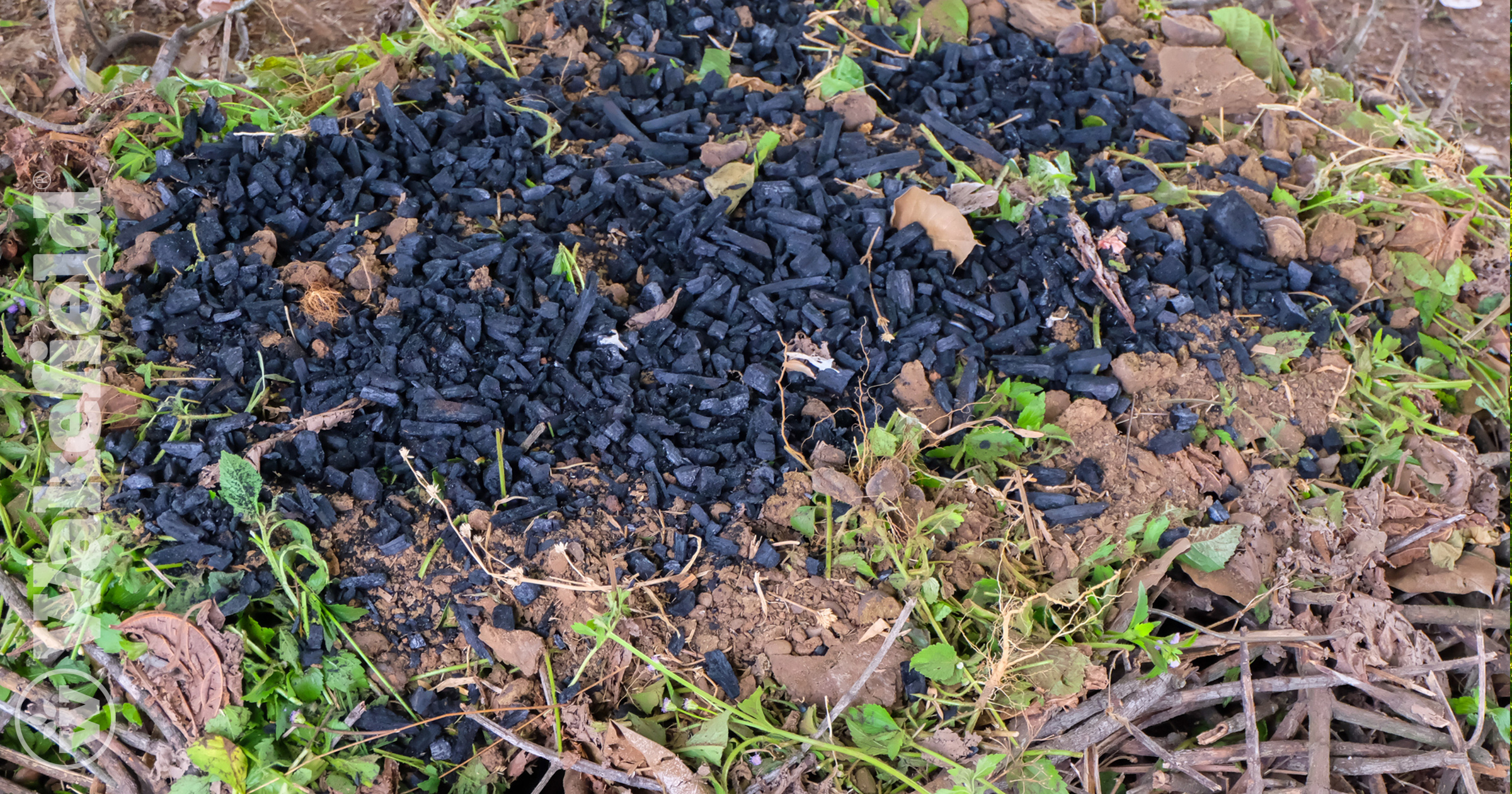
Biochar is a carbon-rich material made by heating biomass with limited oxygen through a process called pyrolysis. Wakefield BioChar uses wood waste to create a lightweight material filled with tiny pores.
Those pores increase the surfaces available to hold moisture and nutrients near plant roots. They also create habitat for bacteria and fungi involved in soil health. Unlike fresh organic matter, biochar breaks down very slowly. Its stable carbon and physical structure can remain in soil for many growing seasons.
Biochar and Compost Compared
| Quality | Compost | Biochar |
|---|---|---|
| Main role | Adds organic matter, nutrients, and soil biology | Adds stable carbon and porous structure |
| How long it lasts | Breaks down as soil organisms use it | Remains in soil for many growing seasons |
| Nutrients | Supplies nutrients from decomposed materials | Helps retain nutrients supplied by compost, fertilizer, and soil |
| Water | Improves moisture storage through organic matter | Holds moisture within its pore network |
| Carbon | Stores carbon that continues through the natural decay cycle | Stores carbon in a more stable form |
Research also shows the value of combining the two. A 2022 study in Agronomy found that biochar alone and biochar mixed with compost increased soil organic carbon during a two-year trial. A separate olive orchard study found that the combination increased dissolved organic carbon and water-soluble nitrogen.
Why Biochar and Compost Work Together
Fresh biochar has open pore space and a large surface area. Mixing it with compost allows moisture, nutrients, and microorganisms from the compost to move onto those surfaces. This process is often called charging or activating biochar.
Once the blend is added to soil, compost begins supplying organic matter and nutrients while biochar helps keep those resources available in the root zone. Compost provides an immediate biological boost, and biochar helps extend the value of that investment.
Building Soil With Both Amendments
Compost and biochar support the same goal from different directions. Compost renews soil with active organic material. Biochar adds durable structure that strengthens water, nutrient, and carbon management. Together, they create a balanced amendment for gardens, lawns, landscapes, and growing systems.
Explore Wakefield Premium Biochar or learn more about activating biochar with compost and nutrients.