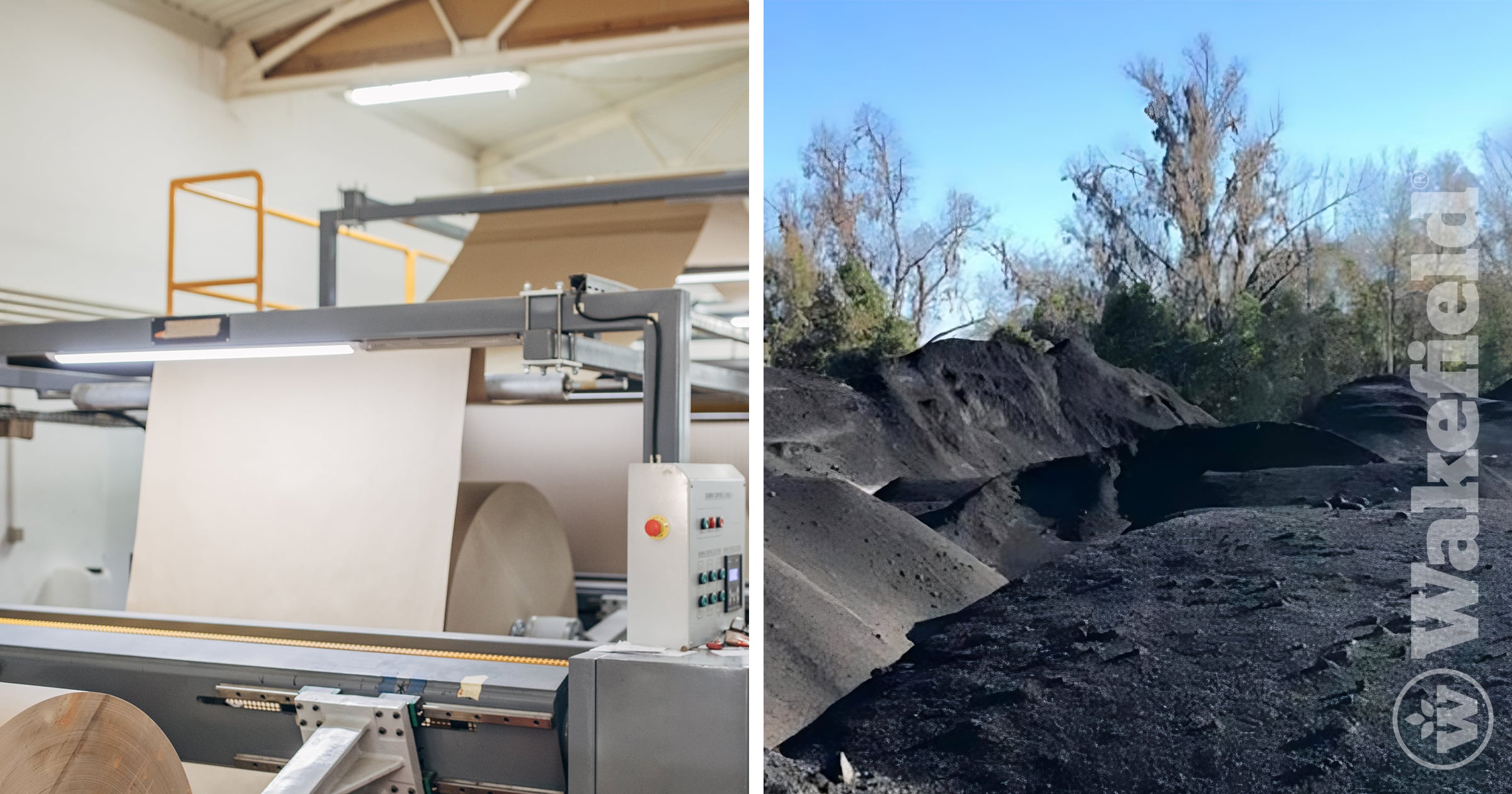
DS Smith and Wakefield BioChar partnered on a project to find a beneficial use for wood-based residual material from DS Smith’s paper mill in Riceboro, Georgia. Instead of treating usable wood waste as a disposal problem, the project explored how the material could be transformed into biochar and returned to productive use as a soil amendment.
The project demonstrates how biochar can create a valuable pathway for wood waste that would otherwise require disposal. By converting suitable residual biomass into a stable form of carbon, the partnership turned an industrial byproduct into a material with applications in soil improvement, water management, and nutrient retention.
Turning Wood Waste Into a Resource
Paper manufacturing can generate significant amounts of wood-based residual material that still contains valuable carbon. When suitable material is sent to disposal, that resource is lost while the manufacturer takes on the additional costs of handling and waste management.
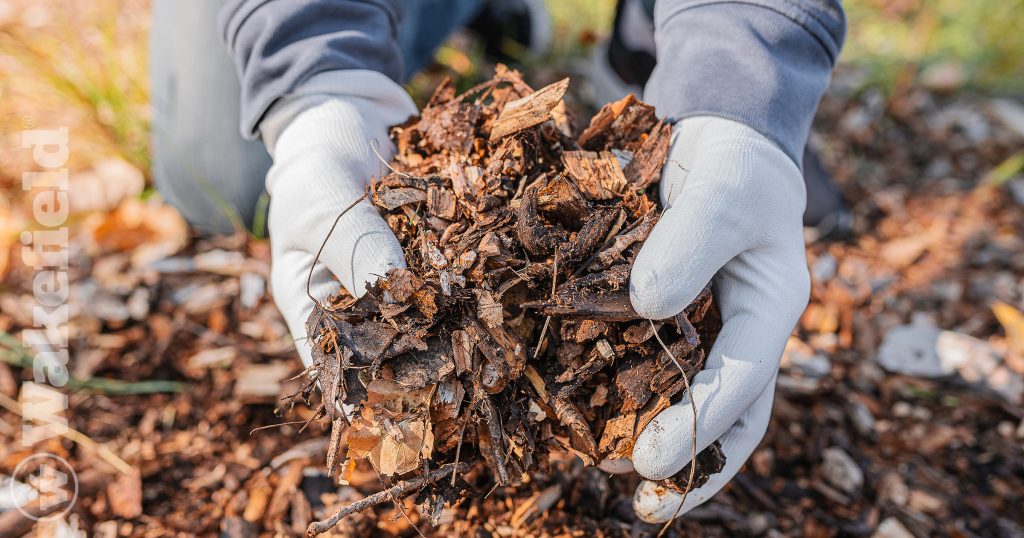
Biochar offers another pathway. Through pyrolysis, suitable wood waste can be converted into a stable, carbon-rich material that can be used to improve soil. This creates a connection between industrial waste management and beneficial land use, allowing a material that was once considered a residual to become a useful agricultural and horticultural product.
From Industrial Residual to Biochar
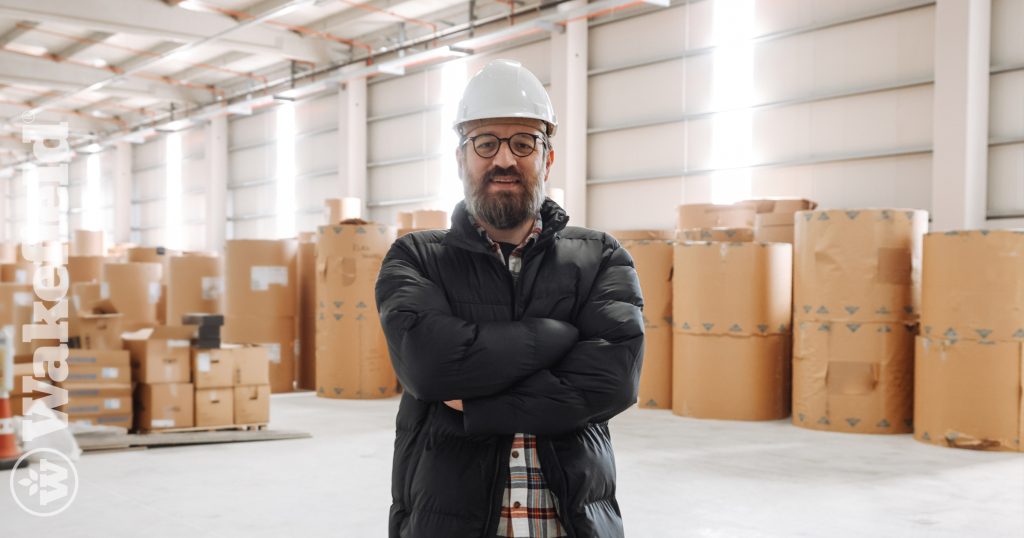
The partnership brought together S. Smith’s wood-based residual material and Wakefield’s experience in biochar production and soil applications. The goal was to evaluate the material as a potential feedstock for biochar and develop a pathway from the paper mill to a beneficial end use.
This approach demonstrates one of the key opportunities for biochar: turning appropriate biomass waste streams into useful products rather than sending them directly to disposal. Instead of losing the carbon and resources contained in wood waste, pyrolysis can preserve much of that carbon in a stable form while creating a material that can provide value in the soil.
Creating Value From Waste
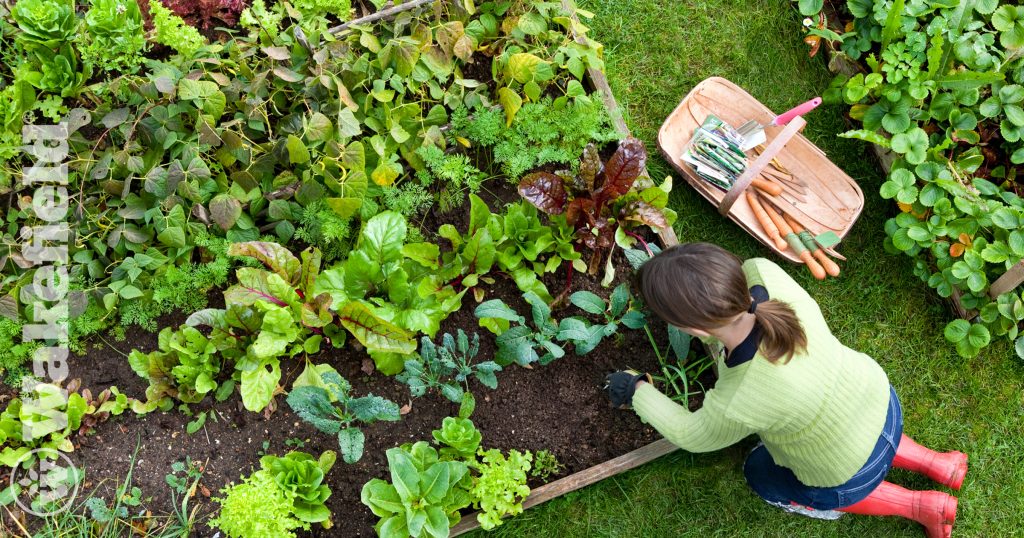
The DS Smith partnership demonstrates how industrial companies can look beyond traditional waste disposal and find productive uses for suitable residual materials. Wood waste that would otherwise represent a disposal expense can become a feedstock for biochar, creating a new material with applications in agriculture, landscaping, and soil restoration.
This model also highlights the broader sustainability potential of biochar. Each successful project creates an opportunity to keep biomass in productive use, convert it into a stable carbon material, and return that material to the soil. What begins as an industrial residual can ultimately become a resource for healthier soils and more sustainable land management.

From Waste to Resource
The partnership between DS Smith and Wakefield BioChar shows what is possible when industrial wood waste is viewed as a resource rather than simply a waste stream. By exploring biochar as a beneficial reuse pathway, the project connected paper manufacturing with soil improvement and created an opportunity to turn residual biomass into something useful.
For manufacturers generating suitable wood-based residuals, biochar provides a promising pathway for transforming waste into a long-lasting, value-added product while supporting broader goals for resource recovery and sustainability.