Healthy plants are better prepared to face insects, disease, and other stress. Wood-based biochar supports that resilience by improving the living soil around plant roots. It does not act like a chemical pesticide. Instead, it helps shape the physical, chemical, and biological conditions that influence plant health.
Research has connected biochar with lower disease pressure from several fungal, bacterial, and viral pathogens. Studies have also examined its effects on nematodes and insect pests. These benefits begin with biochar’s porous structure and the changes it supports in the root zone.
Biochar Builds a Living Root Zone
Biochar contains a network of pores that creates habitat for bacteria, fungi, and other soil life. These organisms help cycle nutrients, break down organic matter, and compete for space and resources. A rich microbial community makes it harder for one harmful organism to dominate the area around plant roots.
Some beneficial microbes also work directly against plant pathogens. They can compete for food, occupy root surfaces, or produce compounds that limit harmful organisms. Biochar gives these communities stable surfaces where they can gather and interact with roots.
Stronger Growing Conditions Support Stronger Plants
Biochar helps soil hold water and nutrients while maintaining pore space for air and drainage. Roots growing in this balanced environment can reach the resources they need and recover more easily from heat, dry periods, and other stress.
This matters because stressed plants are often more open to damage. A plant with a healthy root system, steady access to water, and balanced nutrition can devote more energy to growth and defense. Biochar supports these conditions while remaining in the soil for many growing seasons.
Biochar and Natural Plant Defenses
Plants are not passive when a pathogen attacks. They can switch on defense pathways throughout their tissues. Research indicates that changes created by biochar in the root zone can help prime these natural responses, a process known as induced systemic resistance.
Biochar can also adsorb some enzymes, toxins, and signaling compounds released by pathogens. Holding these compounds on its surfaces can reduce their movement near roots. These effects help explain why a soil amendment can influence diseases found both below and above ground.
A Foundation for Integrated Pest Management
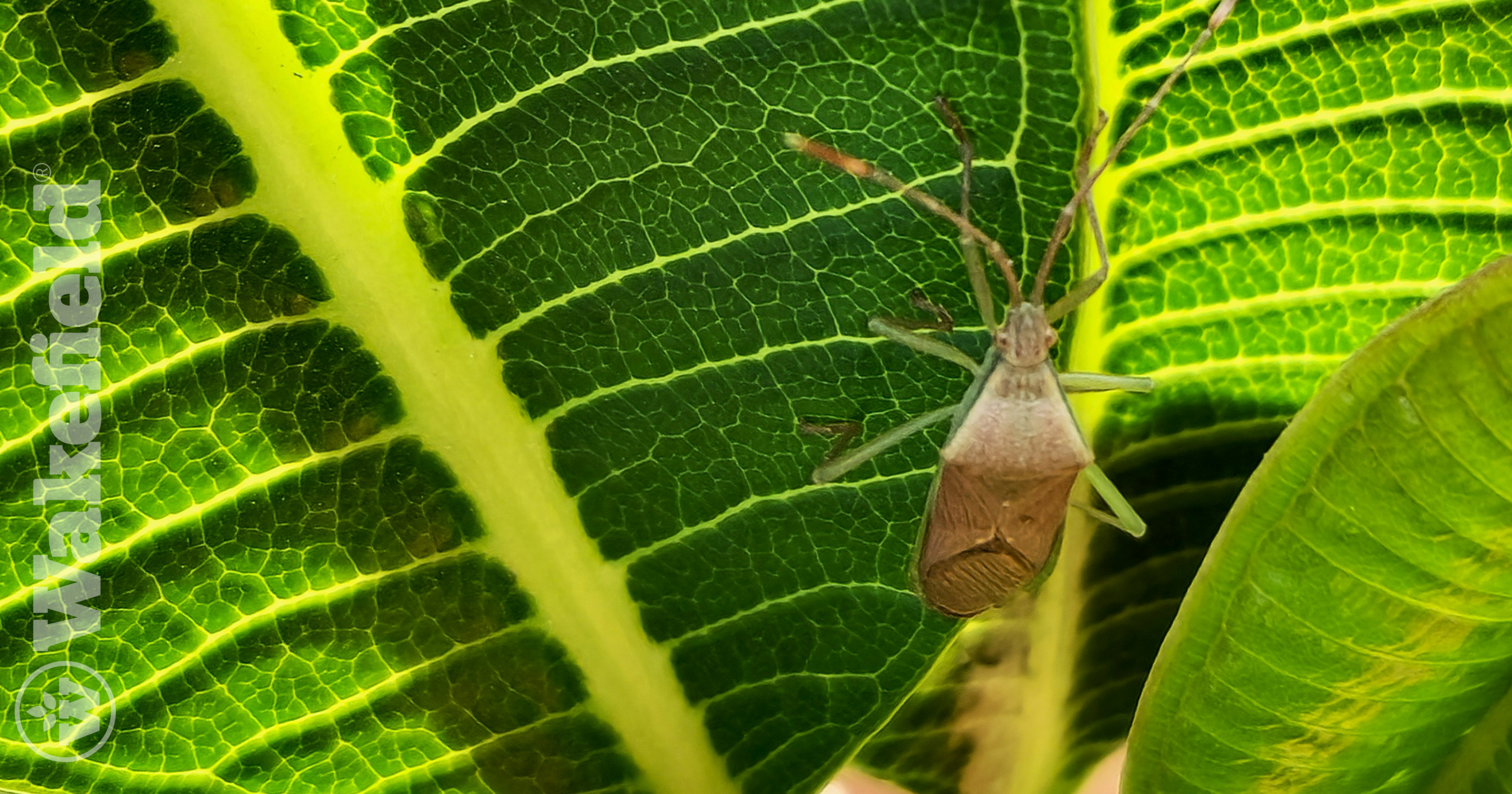
Biochar fits naturally within integrated pest management, which combines healthy growing conditions, observation, prevention, and targeted controls. Its role is to strengthen the soil and plant system before pest or disease pressure becomes severe.
That foundation works alongside crop rotation, plant diversity, beneficial insects, sanitation, resistant plant varieties, and other sound growing practices. Biochar adds lasting structure and habitat to the root zone, helping gardeners and growers build a more balanced system with a stronger natural ability to respond to stress.