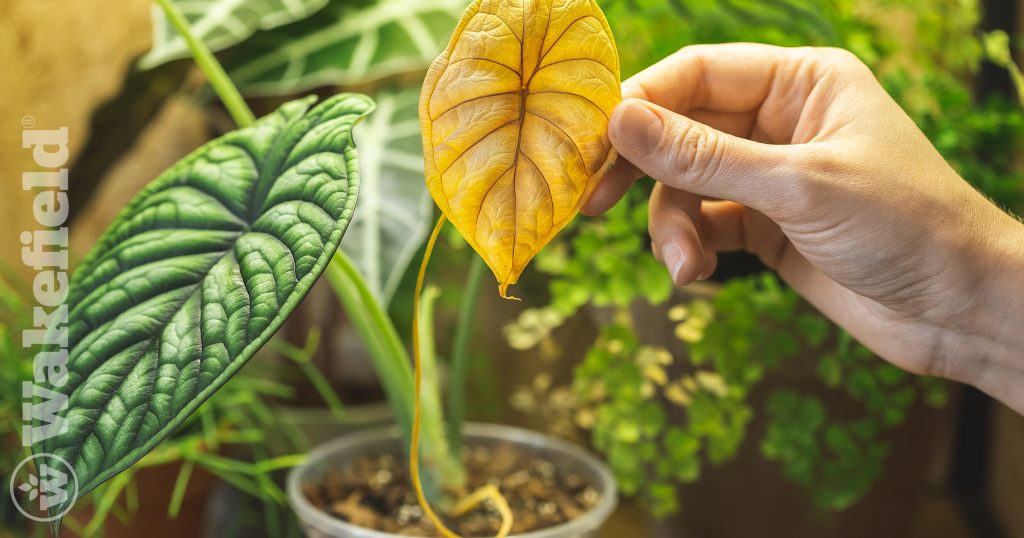
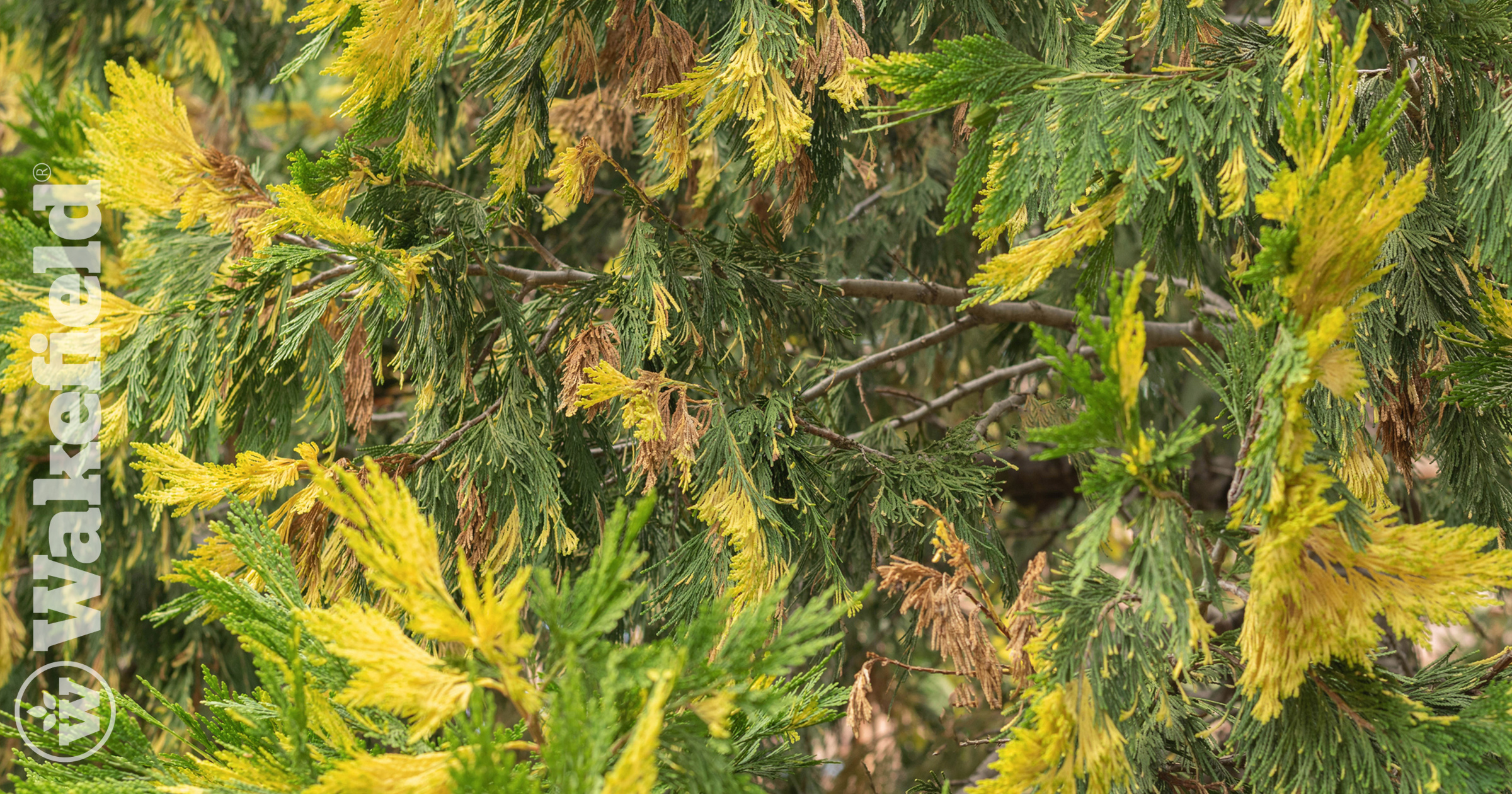
Green leaves depend on chlorophyll, the pigment plants use to capture light. Chlorosis occurs when leaves do not produce or maintain enough chlorophyll. The tissue turns pale green or yellow, while the leaf veins may remain darker.
Biochar helps prevent soil-related chlorosis by improving the conditions around plant roots. It holds nutrients and water, supports air flow, and provides habitat for soil life. These benefits help roots take in the materials plants need to form healthy leaves.
Why Plant Leaves Turn Yellow
Plants need nitrogen, iron, magnesium, sulfur, and other elements to make chlorophyll and complete basic growth processes. When roots cannot reach or absorb those nutrients, yellowing may begin in new leaves, older leaves, or the spaces between veins.
The problem is not always a lack of nutrients in the ground. Nutrients may wash below the roots, become locked in forms plants cannot use, or remain out of reach when roots are weak. Packed or waterlogged soil can also limit oxygen and slow nutrient uptake.
Leaf yellowing can also come from normal aging, low light, root damage, insects, or disease. Biochar does not address every cause. Its main role is building a healthier root zone that reduces the soil stresses connected with chlorosis.

Keeping Nutrients Near Plant Roots
Wood-based biochar contains a wide network of pores and charged carbon surfaces. These surfaces hold many nutrients that might otherwise leave with drainage water. Keeping nutrients in the root zone gives plants more time to reach and use them.
This makes biochar a useful partner for compost, fertilizer, and the nutrients already cycling through soil. Biochar is a soil conditioner rather than a complete fertilizer. It helps the soil manage plant food instead of delivering one short burst.
Nutrient retention supports steady leaf growth across the season. Nitrogen helps build chlorophyll and leafy tissue. Magnesium sits at the center of the chlorophyll molecule, while iron supports the reactions that create it. A well-supplied root zone keeps these processes moving.
Balancing Water, Air, and Roots
Roots need both water and oxygen. Soil that dries too quickly can interrupt nutrient movement into the plant. Soil that stays packed and soaked can push out air, weaken roots, and slow the processes that move nutrients upward.
Biochar helps balance these needs. Its pores store moisture after rain or watering while adding spaces for air. Better structure gives roots room to spread through the soil and reach a larger supply of water and nutrients.
Soil Life and Lasting Plant Health
Healthy soil is alive with bacteria, fungi, and other small organisms. These communities break down organic matter and release nutrients in forms roots can use. Some fungi also connect with roots and extend their reach through the soil.
Biochar gives soil life protected surfaces where it can grow. The same pores hold water, air, and nutrients close together, creating a stable habitat. Active soil life then supports the nutrient cycle that keeps leaves green and plants growing.
By improving nutrient retention, root structure, moisture, aeration, and microbial habitat at the same time, biochar supports the whole plant. Strong roots can feed healthy stems and leaves, helping gardens, lawns, trees, and crops maintain steady green growth.