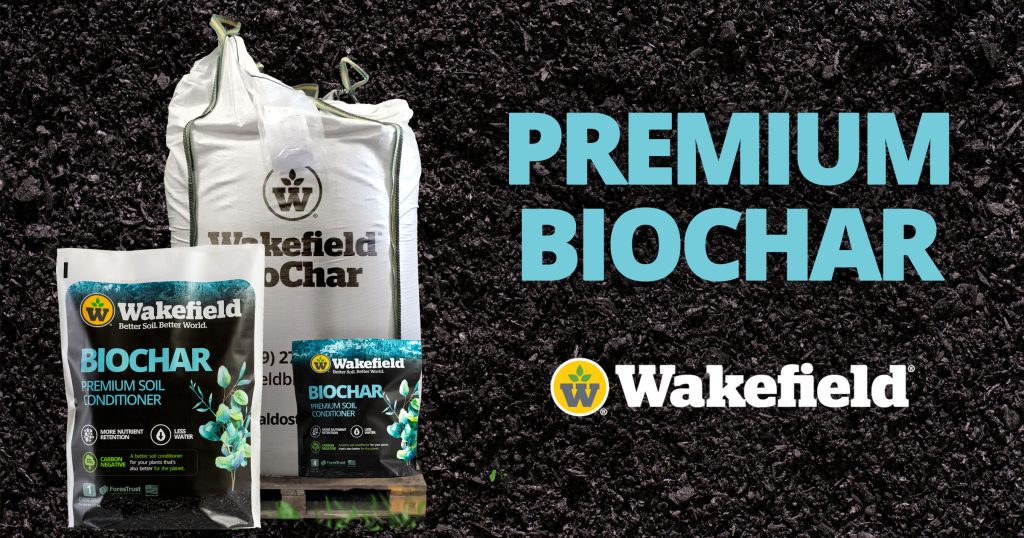

Yes, biochar is easy to clean off your hands. Wood-based biochar is dry rather than oily, so loose particles usually rinse away with water. Soap and a quick scrub remove any black residue that remains around nails, knuckles, or dry areas of skin.
The dark color can make biochar look harder to wash away than it is. The residue comes from fine carbon particles resting on the skin, much like garden soil or charcoal dust. It is a handling issue, not a permanent stain.
Why Biochar Leaves Black Residue
Biochar is made by heating plant material with limited oxygen. The process leaves behind a lightweight, carbon-rich material with a network of pores. Handling and transportation can create small particles that cling to hands, clothing, tools, and nearby surfaces.
Those pores are also central to biochar’s value in soil. They help retain water and nutrients and provide habitat for soil microorganisms. Once biochar is dampened and mixed into soil or compost, loose dust becomes much less noticeable while the porous structure remains useful in the root zone.
See How Biochar Rinses Away
This short Wakefield demonstration shows how dry biochar behaves on skin and how readily it rinses away. The video offers a simple look at the material before it is incorporated into a growing project.
A Simple Cleanup Routine
Begin by rinsing your hands under running water and rubbing them together. Use ordinary hand soap for residue in skin creases or around fingernails, then dry your hands normally. A nail brush can help after a larger garden or landscaping project.
Brush or shake dry particles from garden tools and work clothes outdoors before washing them. Wipe hard surfaces with a damp cloth instead of spreading dry dust. Rinse shovels, scoops, buckets, and mixing tubs with water after use.
How to Make Biochar Less Messy
A small amount of preparation keeps biochar projects tidy. Lightly moisten dry material before measuring or mixing it. Pour close to the soil or container instead of dropping it from a height. Work out of strong wind and open bags carefully so trapped air does not push dust upward.
Garden gloves keep residue off the skin and make cleanup even faster. Eye protection and a suitable dust mask are useful when handling a dry or dusty material, especially during larger applications. Always follow the handling directions printed on the product label.
Clean Handling, Lasting Soil Benefits
Black residue is a normal feature of handling a fine carbon material. It does not mean biochar is oily, and washing it from your hands does not remove its value as a soil conditioner. The material’s quality should be judged by its intended use, product information, and manufacturing standards rather than a hand-washing test.
With a little moisture and careful pouring, biochar is simple to handle and easy to clean up. Once it is mixed into the root zone, its durable pore structure can support water management, nutrient retention, and healthier soil for years. Learn more about how to use biochar in common planting projects.