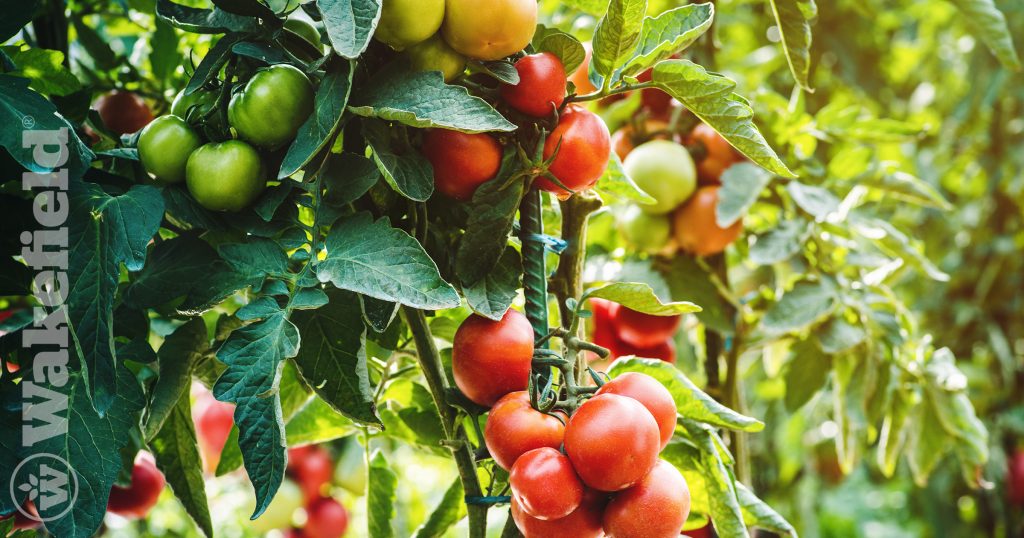
Yes, biochar is good for tomatoes. Tomato plants grow best in soil that holds steady moisture, supplies nutrients, allows air to reach roots, and supports active soil life. Biochar strengthens all four parts of that root-zone environment.
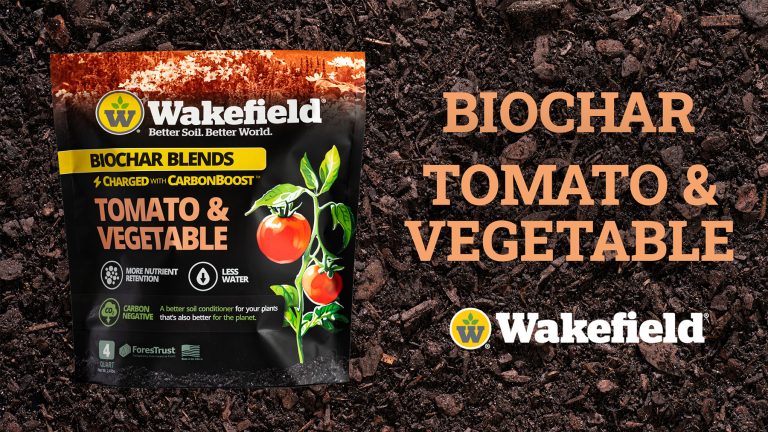
Biochar is a soil conditioner rather than a complete fertilizer. Its value comes from improving the way garden soil stores and shares resources supplied by water, compost, fertilizer, and organic matter.

More Consistent Moisture for Tomato Roots
Tomatoes use a great deal of water as they build stems, leaves, flowers, and fruit. Wide swings between dry and saturated soil place stress on the plant. Biochar’s porous particles help capture water and keep more moisture available within the root zone between rainfall and irrigation.
At the same time, biochar adds pore space that supports water movement and airflow. That balance helps garden soil hold useful moisture without becoming a dense mass around the roots. Learn more about biochar and soil water retention.
Keeping Nutrients in the Root Zone
Tomatoes need a steady supply of nutrients through a long growing season. Biochar provides surfaces that retain many nutrients carried by water. Instead of moving quickly below the roots, more fertility remains available in the soil where plants and microorganisms can use it.
This nutrient-retention role works especially well when biochar is paired with compost or a tomato fertilizer. Compost contributes organic matter and a range of nutrients. Fertilizer supplies a measured nutrient blend. Biochar helps the soil hold what those materials provide, supporting a more stable fertility system and addressing the effects of soil nutrient depletion.

Building a Healthier Root Zone
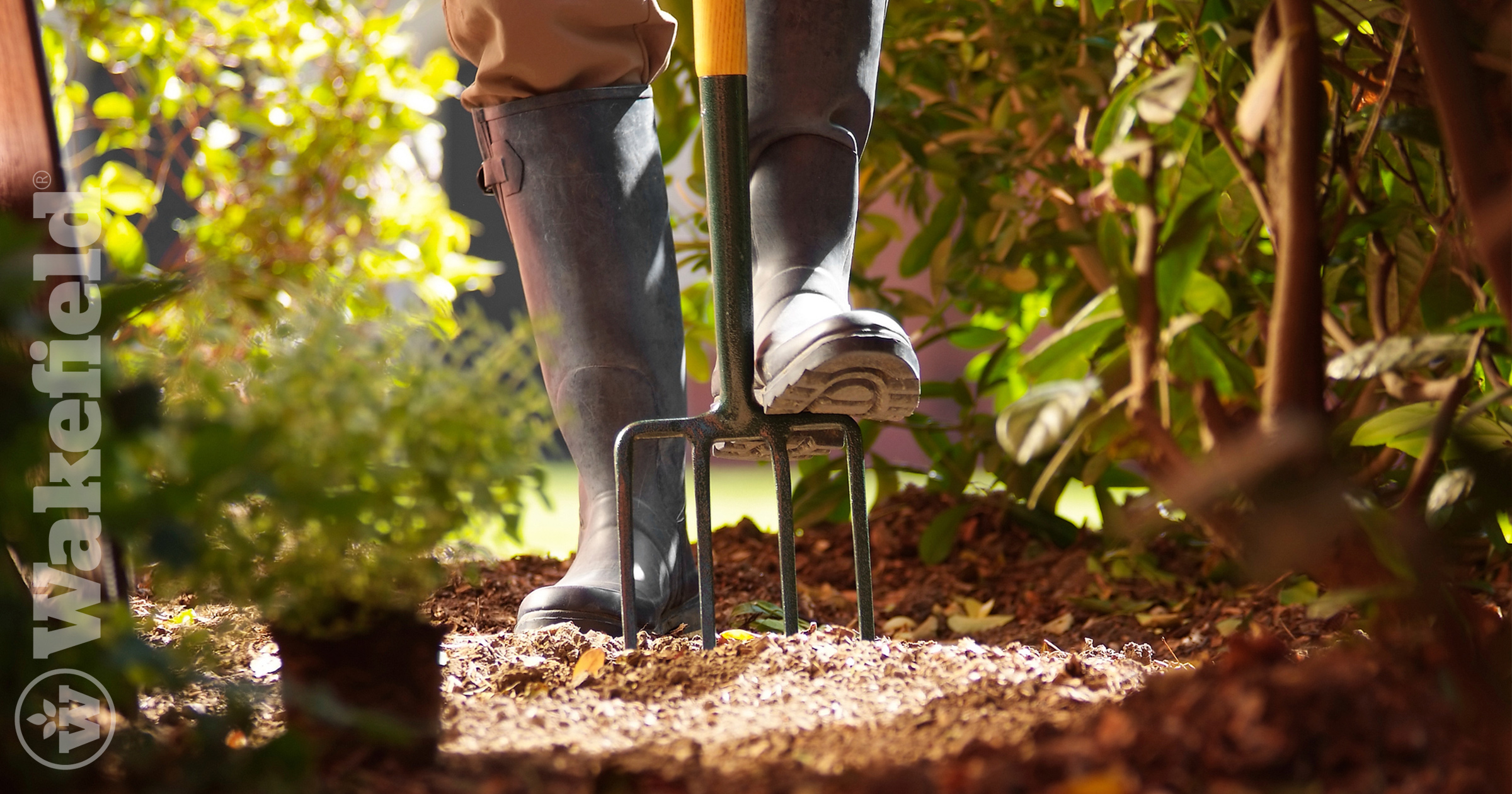
Biochar changes more than water and nutrient storage. Its particles help create a crumbly soil structure with pathways for new roots, water, and air. Tomato roots can spread through this open structure and reach a larger share of the resources around them.
The pores and surfaces within biochar also provide habitat for bacteria and fungi involved in nutrient cycling. These microorganisms break down organic materials and move nutrients through the soil food web. A diverse, active root zone supports tomatoes from transplanting through fruit production.
Long-Term Value in the Garden Bed
Compost and mulch break down as they feed the soil. Biochar remains much longer, so its physical structure continues supporting the bed after one tomato season ends. Future vegetables, herbs, flowers, and cover crops can use the same improved root zone.
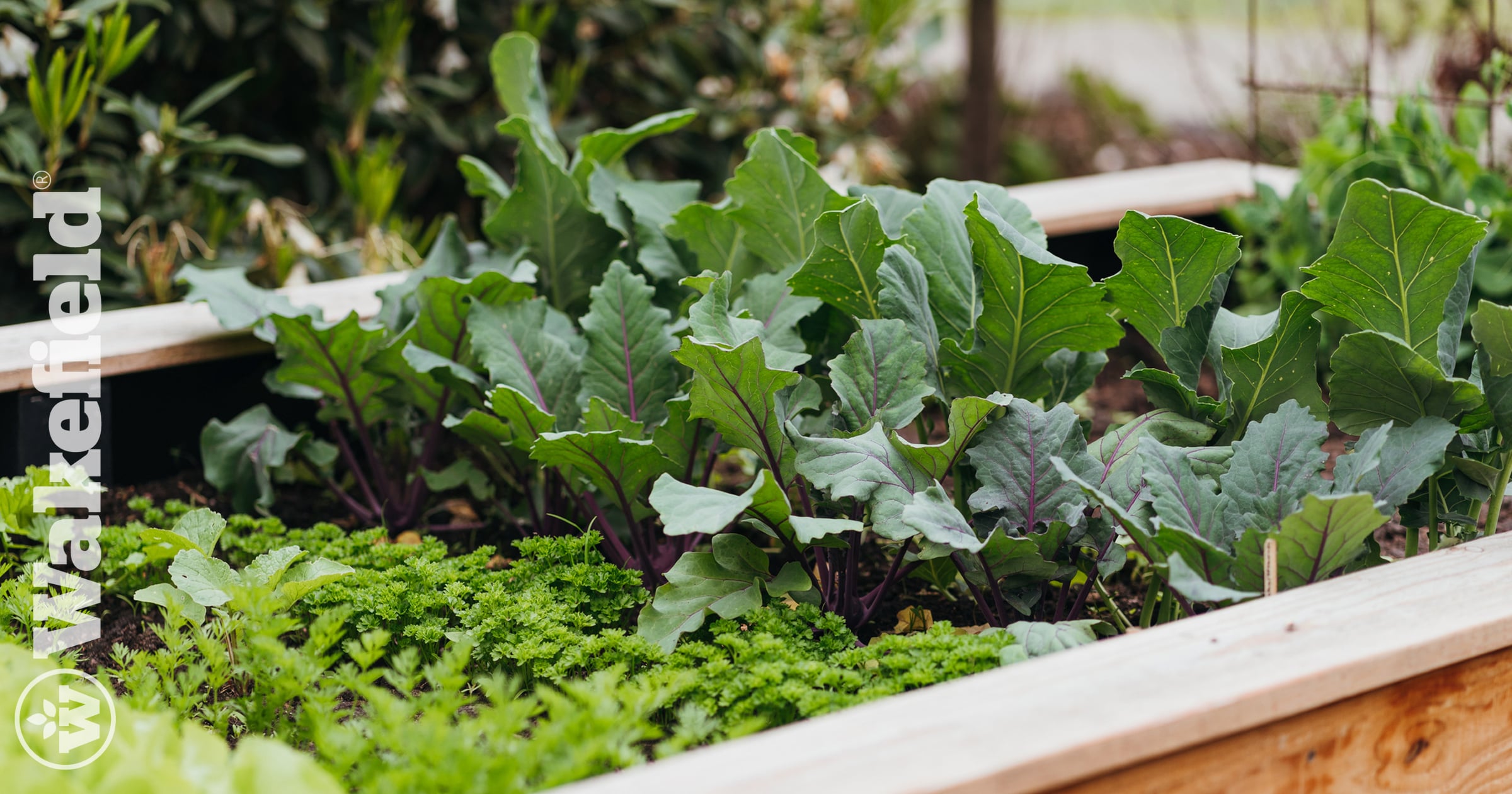
This lasting quality makes biochar useful in raised beds and in-ground gardens where growers build soil over time. Annual additions of compost can refresh organic matter and nutrients, while the biochar already in the soil continues storing moisture and fertility.
How Biochar Fits Tomato Care
Biochar works best as one part of a complete tomato-growing system. Plants still need sunlight, regular watering, room for roots, support for vines, and a suitable nutrient source. Biochar improves the soil foundation that helps all of those efforts work together.
For planting instructions and application guidance, continue with How to Use Biochar in Gardens and Raised Beds. Once incorporated, biochar becomes a long-term part of the bed and supports tomatoes through water management, nutrient retention, soil structure, and active soil life.