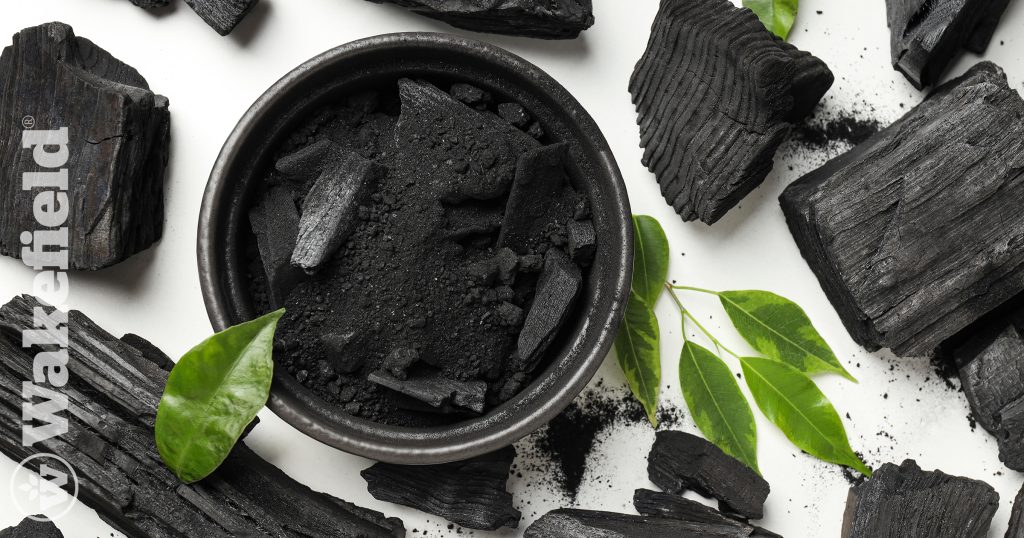
Can regular charcoal replace soil biochar?
For a garden project, choose biochar intended for soil use instead of reaching for the barbecue bag. The Royal Horticultural Society advises against substituting barbecue charcoal because its quality varies and briquettes may contain unsuitable additives or contaminants. 1
The similar appearance has a real basis: biochar is a charcoal-like material made by heating biomass with little or no oxygen. In agriculture, it is used as a soil amendment and for carbon storage. Its source material and production method influence how it behaves. 2 The useful question is whether the particular product fits your soil project.
Briquettes and lump charcoal need different explanations
Briquettes are formulated for cooking. For example, Kingsford describes making its Original briquettes by carbonizing wood, adding natural binders and pressing the mixture. Its Match Light products contain a lighting agent. These are manufacturer descriptions of particular products, not evidence that every briquette contains the same ingredients. 3
Lump charcoal is a different product category, so it should not automatically be assigned the ingredients of a briquette. Even when a bag describes wood charcoal without added ingredients, that description alone does not tell you how it will affect soil. The RHS recommendation to avoid barbecue charcoal applies to the substitution itself. 1
Crushing a fuel product changes its size; it does not supply missing information about its composition or garden use. Keep leftover barbecue ash out of your soil amendment plan as well. The RHS specifically advises against using ash from briquettes in soil. 1
Activated carbon is another material choice
Activated carbon undergoes physical or chemical processing that creates or enlarges pores, producing a large internal surface area. It can be made from wood and coconut shells, but also from coal. In water treatment, it captures selected compounds on its surfaces through adsorption. Its performance depends on the material and the treatment conditions. 4
Gardeners also use the word “activate” when they prepare biochar with compost. That preparation brings biochar into contact with moisture, nutrients and microorganisms; it is different from manufacturing activated carbon. Our biochar preparation guide explains this optional step. Buying filter carbon or mixing unknown charcoal with compost does not answer whether the starting material is suitable for your soil.
Choose around the soil you want to improve
A biochar label is a starting point, not a guarantee of better plant growth. Utah State University Extension reports mixed vegetable-crop responses and emphasizes the soil, the char’s source and production method, and the application rate. 2 Ask the supplier what the product contains, which soil uses it supports and where to find its specifications and directions.
Consider soil pH and the needs of your plants, too. An alkaline biochar may be a poor fit where raising pH is undesirable. Follow the product’s application directions rather than borrowing a rate from a different material. 1
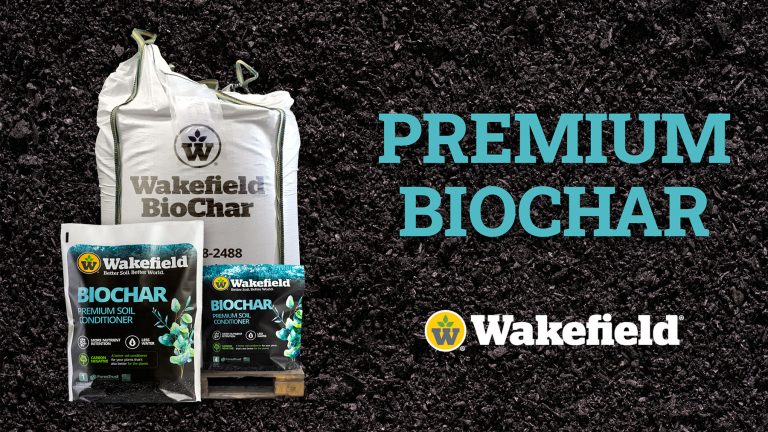
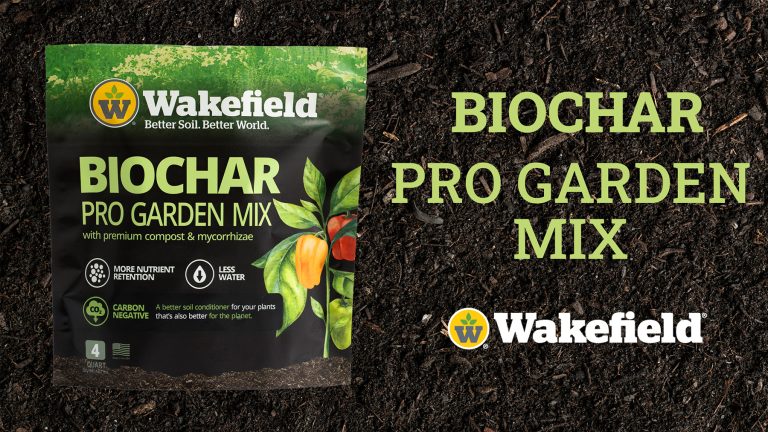
For a straightforward soil amendment, Wakefield Premium Biochar can be mixed into existing soil or used in your own blend. If you prefer a prepared biochar-and-compost amendment, Biochar Pro Garden Mix is made to blend with existing soil. Compare these options and their directions on our Gardening page.
Sources and notes
- Royal Horticultural Society. Biochar. Barbecue-charcoal guidance, soil pH and application advice. Accessed September 22, 2026.
- Utah State University Extension. Biochar in Vegetable Production. Material differences and variable crop responses. Accessed September 22, 2026.
- Kingsford. Frequently Asked Questions. Manufacturer descriptions of Original briquettes and Match Light lighting agents; not a soil-use assessment. Accessed September 22, 2026.
- U.S. Environmental Protection Agency. Overview of Drinking Water Treatment Technologies, granular activated carbon section. Updated March 23, 2026.