Can Worms Live in Biochar?
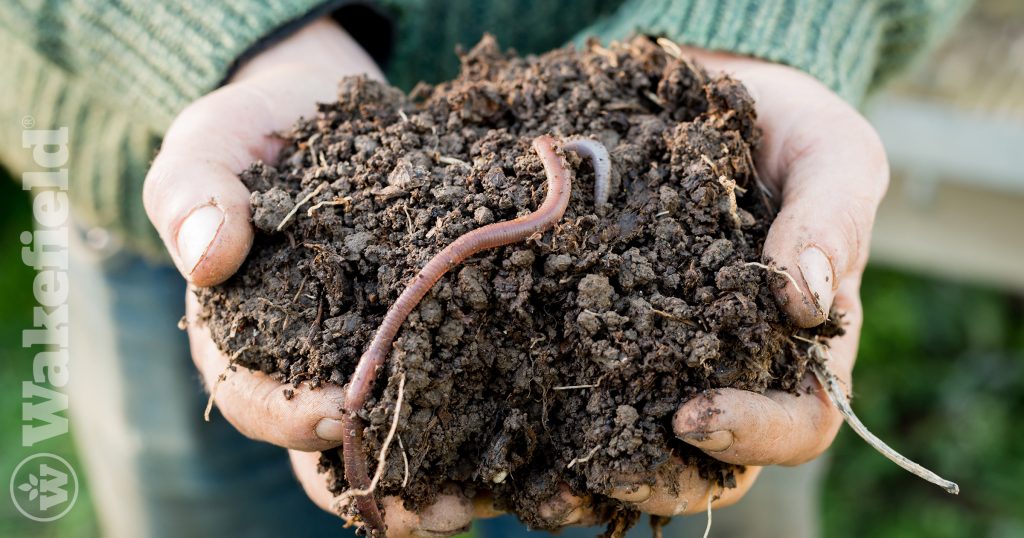
Yes. Earthworms can live in soil or compost that contains biochar, provided the surrounding habitat meets their needs. Worms require moisture, oxygen, suitable temperatures, a tolerable pH, and decomposing organic matter for food. Biochar can support several of those conditions when it is properly mixed with soil, compost, or vermicompost bedding.
Earthworms do not live inside biochar particles. Most biochar pores are far too small for worms, although bacteria, fungi, and other microorganisms can colonize surfaces and pore spaces. Worms instead move between soil particles, organic matter, roots, and pieces of biochar as they feed and create channels through the material around them.
How Earthworms Support Soil
Earthworms contribute to soil structure by burrowing through the ground. Their channels create pathways for air and water, while their movement mixes mineral soil with decomposing plant material. As worms digest organic matter, they produce castings that contain plant-available nutrients and support biological activity.
These processes make earthworms valuable members of a larger soil community. They work alongside bacteria, fungi, insects, roots, and other organisms involved in decomposition and nutrient cycling. A healthy worm population often reflects a habitat with adequate moisture, organic matter, and oxygen, although worm numbers naturally vary by soil type, climate, and season.
How Biochar Supports Worm Habitat
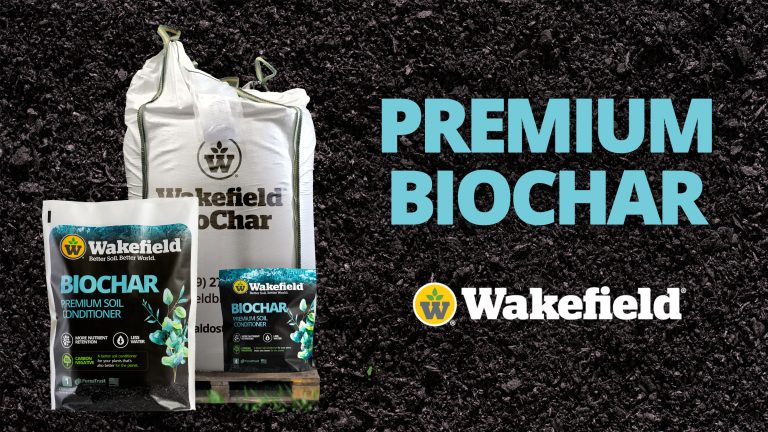
Wakefield’s wood-based biochar is a porous soil conditioner. When incorporated into soil, its structure can influence water retention, aeration, and nutrient retention. These soil properties also affect the habitat where earthworms live.
- Moisture: Biochar can help soil retain water that worms need to keep their skin moist.
- Air movement: Biochar particles can contribute to soil structure and pore space around roots and worm channels.
- Nutrient retention: Biochar can hold nutrients supplied by compost, fertilizer, and decomposing organic matter within the root zone.
- Microbial habitat: Biochar surfaces provide habitat for microorganisms that participate in decomposition and soil nutrient cycling.
Biochar does not create food for worms on its own. Earthworms feed on decaying organic matter and the microorganisms associated with it. Compost, aged manure, leaf litter, and other suitable organic materials remain essential parts of a worm-supporting environment.
Biochar in Vermicomposting
Vermicomposting uses composting worms to process food scraps and other organic materials into castings. Biochar can be included as one component of that system, where it can absorb moisture, retain nutrients, and provide surfaces for microbial activity. It should be mixed through moist bedding rather than used alone as the worms’ habitat.
The finished vermicompost combines worm castings, decomposed organic matter, microorganisms, and biochar. This creates a biologically active amendment that can be incorporated into garden soil. Because products and systems differ, use a biochar intended for soil and follow its application directions when adding it to a worm bin or composting system.
A Shared Underground Ecosystem
Worms and biochar support soil in different but complementary ways. Earthworms mix organic matter, form channels, and produce nutrient-rich castings. Biochar contributes persistent carbon and porous surfaces that help the soil manage water and nutrients. Together with roots and microorganisms, they form part of the living system beneath healthy plants.
Biochar is therefore compatible with earthworm habitat, but the wider environment determines whether worms thrive. Learn more about what biochar is and how it contributes to long-term soil management.