Chalky soil can be difficult for gardeners. It is often shallow, drains quickly, and has a high pH that can make it harder for plants to take up certain nutrients. These conditions can limit which plants grow well and may require more attention to water and soil fertility.
Adding organic matter is one way to improve chalky soil. Biochar can also help by improving water and nutrient retention and supporting better soil structure. Because chalky soil is already alkaline, however, it is important to understand your soil and the biochar you plan to use.
What Is Chalky Soil?
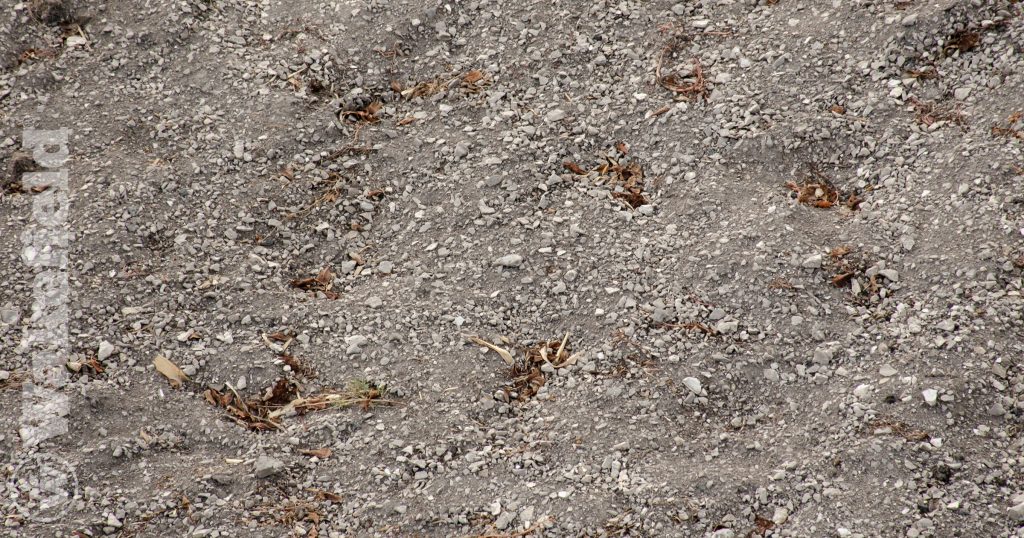
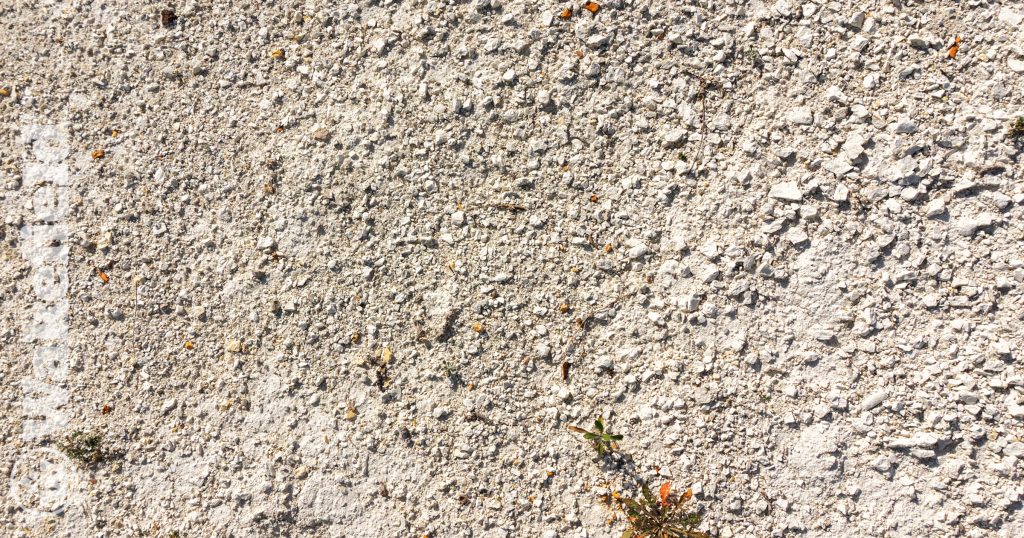
Chalky soil contains calcium carbonate from chalk or limestone. It is usually alkaline, meaning it has a pH above 7. Chalky soils can vary from light and gravelly to heavier soils that contain clay.
One of the easiest ways to identify chalky soil is to look for pieces of white chalk or limestone. A soil test provides a better picture of its pH and nutrient levels. Your local Extension office or soil-testing laboratory can help you understand what you are working with before choosing plants or soil amendments.
Why Chalky Soil Can Be Difficult for Plants
High pH is one of the biggest challenges with chalky soil. Some nutrients become harder for plants to take up in alkaline conditions, even when those nutrients are present in the soil. This can lead to signs of nutrient problems, such as yellowing leaves and weak growth.
Chalky soils can also drain quickly and have trouble holding water and nutrients in the root zone. Plants that prefer acidic conditions, including azaleas and other acid-loving plants, are especially difficult to grow in alkaline soil. Choosing plants suited to the existing soil is often easier than trying to change its pH across an entire garden.
How Biochar Can Help Chalky Soil
Biochar is a porous, carbon-rich material made by heating biomass with little or no oxygen. Its many small pores help soil hold water and nutrients, which can be useful in chalky soils that drain quickly.
Biochar can also improve soil structure and provide habitat for beneficial soil microbes. Mixing biochar with compost can be especially useful. Compost adds organic matter and nutrients, while biochar helps retain water and nutrients in the soil.
One property deserves special attention with chalky soil: pH. Many biochars are alkaline and can raise soil pH. That can be helpful in acidic soils but may not be desirable in soil that is already alkaline. Check the biochar’s product information and your soil-test results before deciding how much to apply.
Building Healthier Chalky Soil
Improving chalky soil usually takes more than one amendment. Adding compost and other organic matter can improve soil structure, add nutrients, and help the soil hold moisture. Mulch can also reduce water loss from the surface and add organic matter as it breaks down.
Biochar can complement these practices by providing a long-lasting, porous structure within the soil. Unlike compost, biochar breaks down very slowly. This allows it to continue holding water and nutrients and providing space for soil microbes over time.
The goal is not to turn chalky soil into a completely different soil type. Instead, good soil management can address its main weaknesses while working with its natural properties. By choosing suitable plants, adding organic matter, managing water, and using an appropriate biochar, gardeners can create better growing conditions in challenging chalky soils.