Clay soil can be difficult to work with. Its tiny particles pack closely together, leaving less space for air and water to move through the soil. Heavy clay can drain slowly, become compacted, and make it harder for plant roots to spread.
But clay soil also has strengths. It can hold plenty of water and nutrients, making it productive when managed well. Adding organic matter such as compost, along with biochar, can help improve soil structure and create better growing conditions.
What Is Clay Soil?
Clay soil contains a high percentage of very small mineral particles. Clay particles are less than 0.002 millimeters across, making them much smaller than particles of sand or silt.
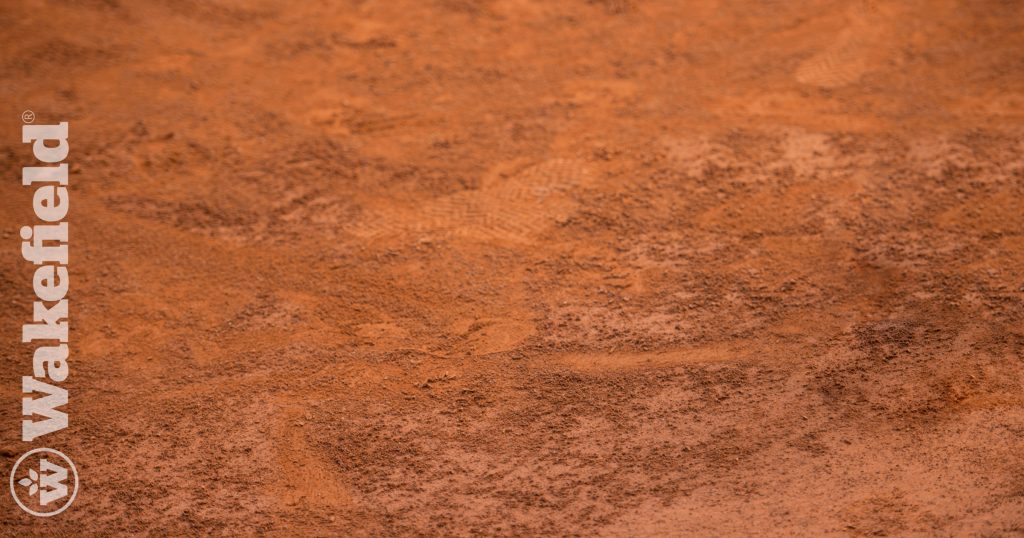
Because these particles fit closely together, clay soil can feel dense and sticky when wet. It can hold a large amount of water but may drain slowly. When clay dries, it can become very hard and may develop cracks at the surface.
How Clay Soil Affects Plants
Clay’s ability to hold water can be useful during dry periods. It also does a good job of holding nutrients that plants need. These qualities can make well-managed clay soil quite fertile.
The challenge is creating enough space for air, water, and roots. Heavy or compacted clay can remain wet after rain, which can limit oxygen around plant roots. During hot, dry weather, the same soil can become hard and difficult for roots to grow through. Clay soil can also take longer to warm in the spring.
Improving its structure helps plants take advantage of clay’s natural ability to hold water and nutrients while reducing some of the problems caused by poor drainage and compaction.
How Biochar Can Help Clay Soil
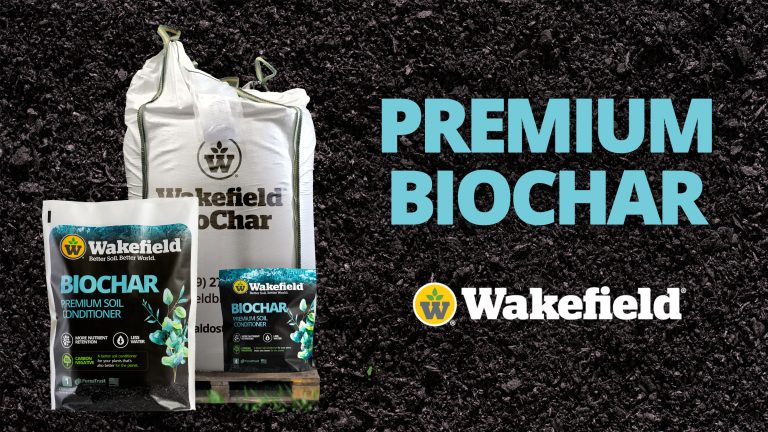
Biochar is a porous, carbon-rich material made by heating biomass with little or no oxygen. When mixed into heavy soil, biochar adds particles with a very different structure from clay. This can create more pore space for air and water.
Better pore space can improve the conditions around plant roots and help water move through the soil. Biochar also provides surfaces where nutrients and soil microbes can collect. Because biochar breaks down very slowly, these physical changes can last much longer than many organic soil amendments.
Biochar does not remove clay or instantly loosen compacted ground. Instead, it becomes part of the soil and can help improve its structure over time.

Why Combine Biochar With Compost?
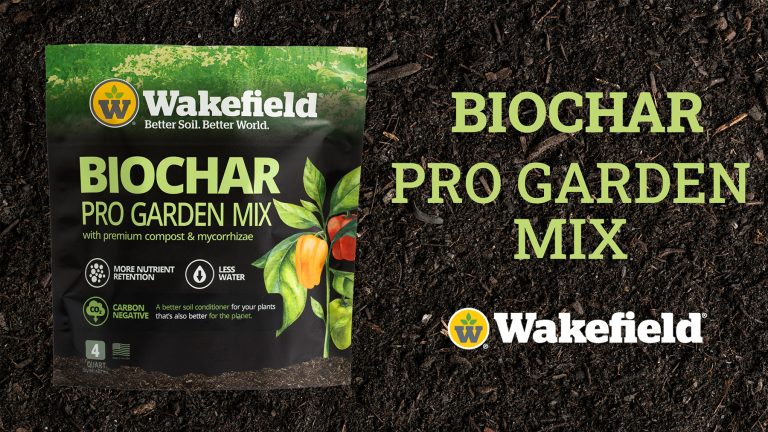
Biochar and compost can work well together because they bring different benefits to the soil. Compost adds organic matter and nutrients and can make dense soil easier to work. Biochar adds a porous structure that can help retain water and nutrients while creating space for air and soil life.
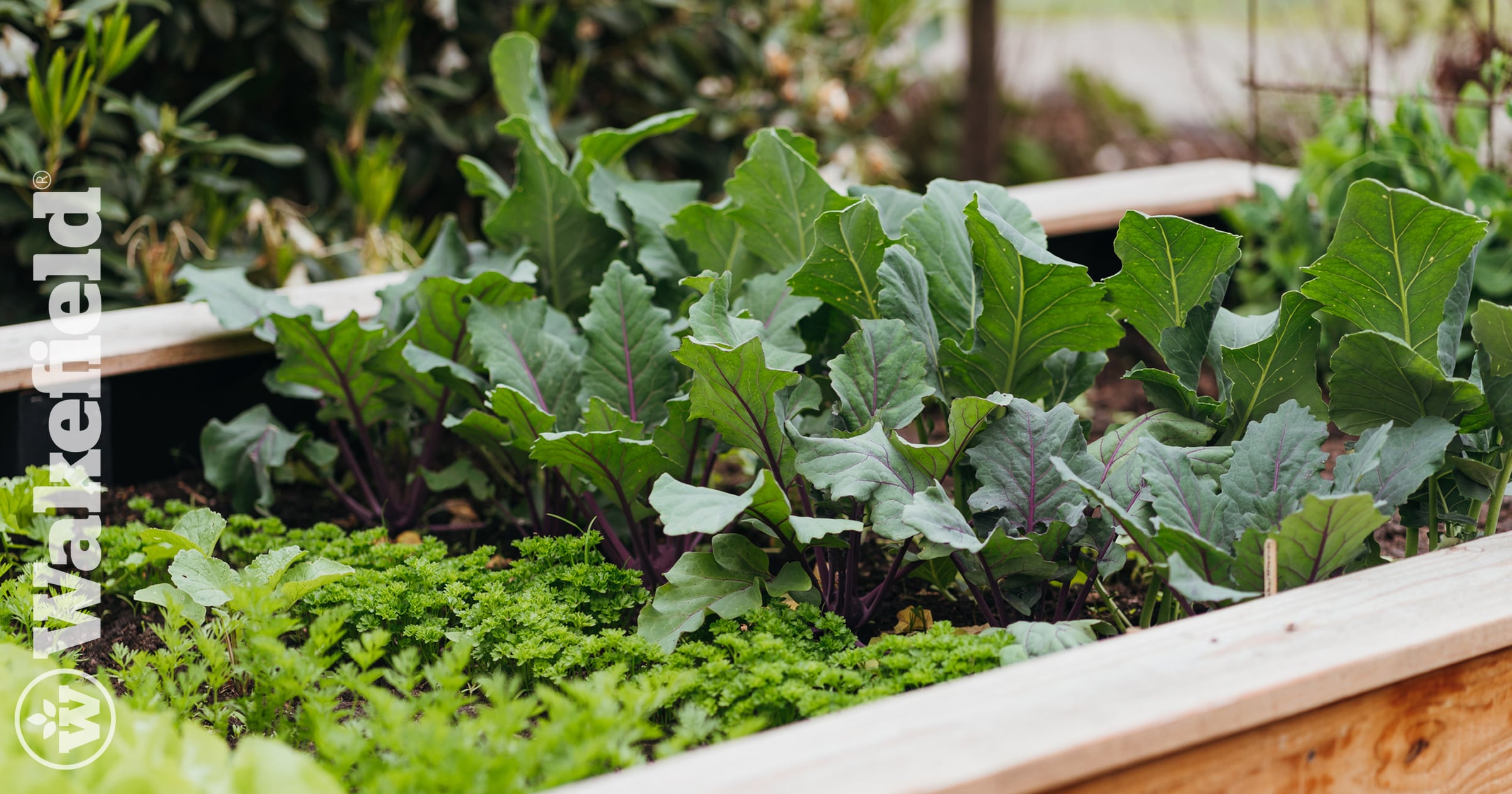
Mixing both materials into the root zone can be especially useful when establishing gardens, landscape beds, trees, or other plantings in heavy clay. Regular additions of organic matter can continue building better soil structure over time.
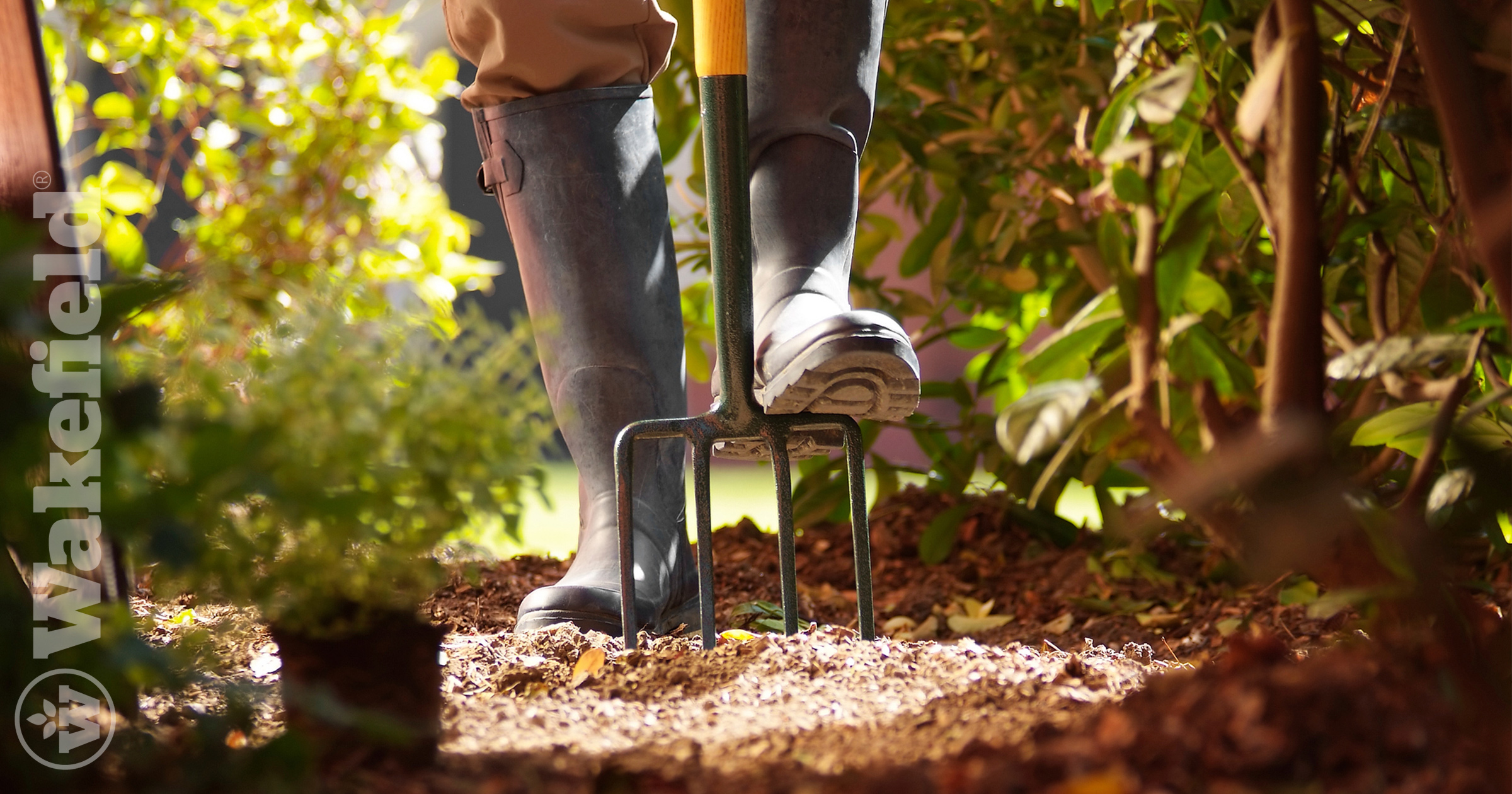
Avoid working clay soil when it is very wet. Digging or driving equipment over wet clay can press the particles closer together and make compaction worse.
Building Healthier Clay Soil
The goal when improving clay soil is not to turn it into another type of soil. Clay has useful qualities, including its ability to hold water and nutrients. Good soil management helps plants benefit from those strengths while improving drainage, aeration, and root growth.
Compost, biochar, mulch, and careful soil management can all play a role. With better structure and more pore space, heavy clay can become easier to manage and provide a productive growing environment for lawns, gardens, trees, and other plants.