Turning Paper Mill Waste into Biochar
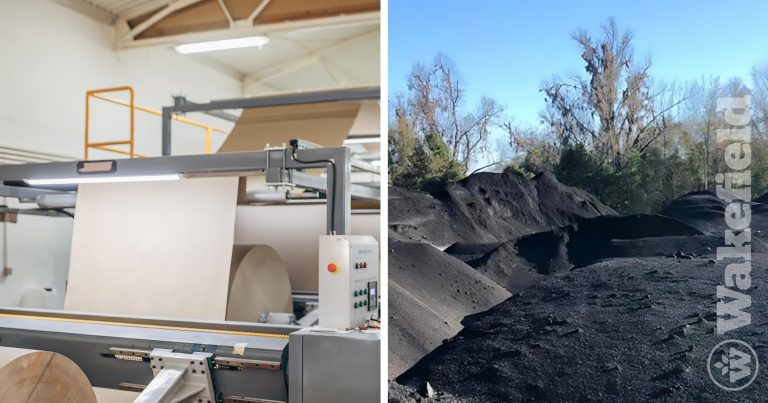
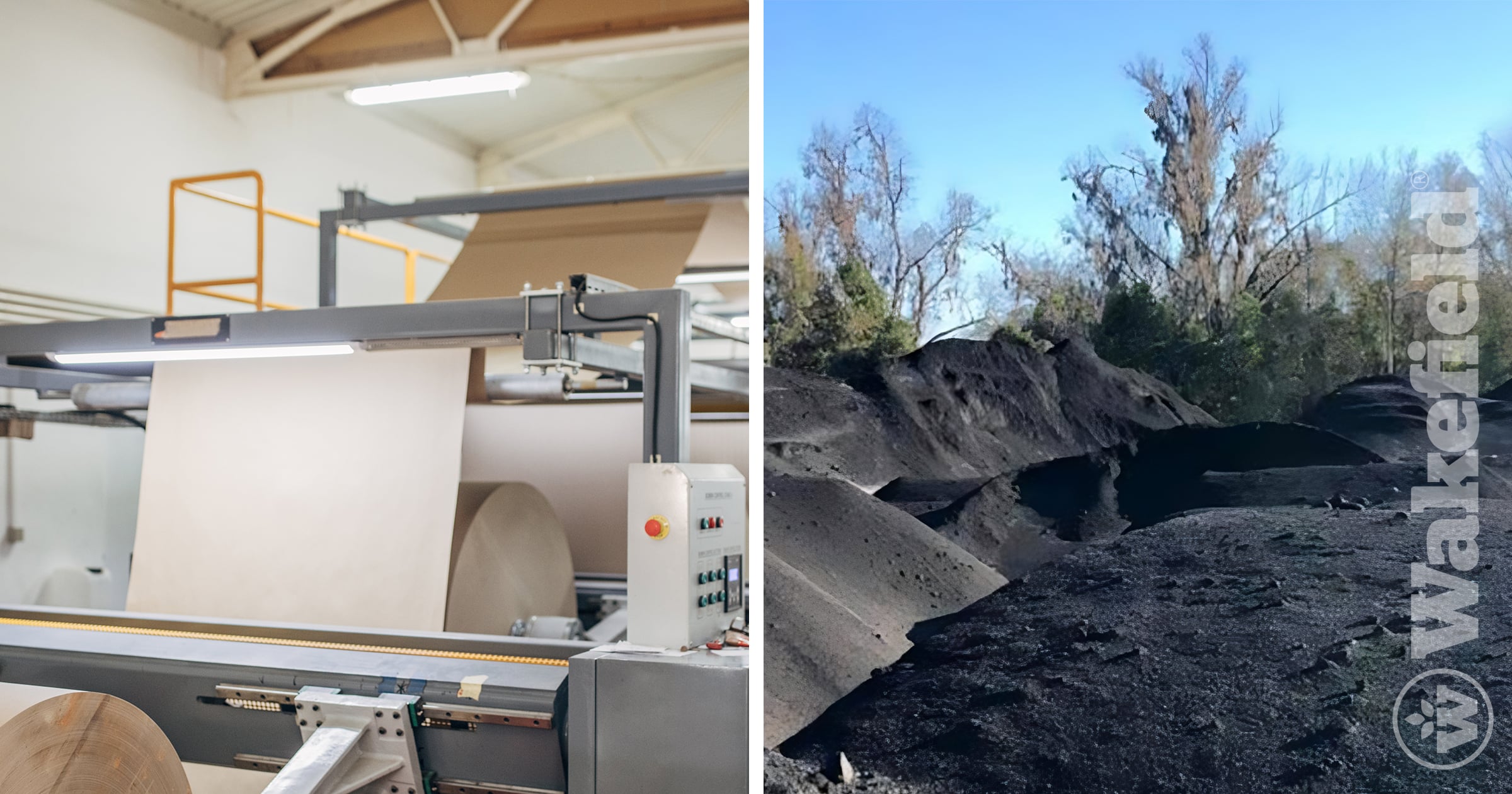
DS Smith, a London-based packaging manufacturer, announced on January 25th their partnership with Wakefield BioChar to repurpose waste from their Riceboro, Georgia, paper mill into sustainable soil inputs. This collaboration focuses on converting paper mill waste into nutrient-rich biochar, which will be used for soil conditioning and remediation.
The Growing Need for Biochar
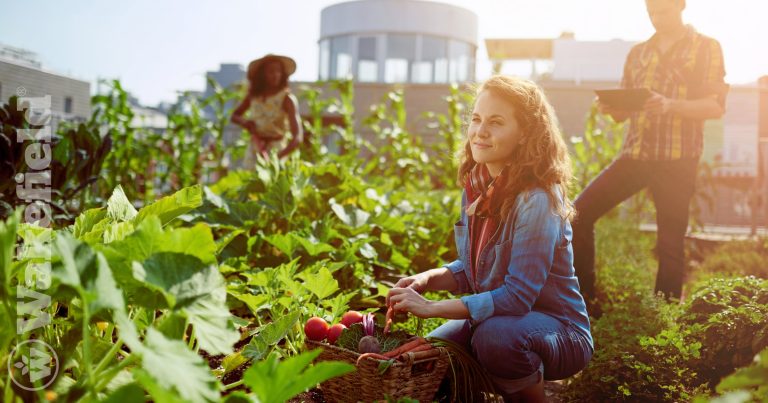
The pandemic has driven a huge increase in e-commerce and shipping, which means more demand for packaging. As a result, paper mills are producing more wood ash. This byproduct is packed with essential minerals like calcium, potassium, magnesium, and iron. When converted into biochar, it becomes a powerful tool for improving soil health and boosting crop production.
Sustainability in Action
Giancarlo Maroto, managing director of paper, forestry, and recycling in North America for DS Smith, talks about their focus on sustainability. He says, “We use renewable wood fibers in our paper-making process, and we’re committed to responsible forest management. By working with Wakefield, we’re turning excess wood ash into biochar, recycling it back into the land in a sustainable way.”
Wakefield BioChar’s Role
At Wakefield BioChar, we handle everything. We transport the wood ash to our facility, analyze it, and add extra nutrients as needed. The final product is our “Better Soil. Better World” biochar, ready to help farmers improve their soil and crops.
A Win-Win Collaboration
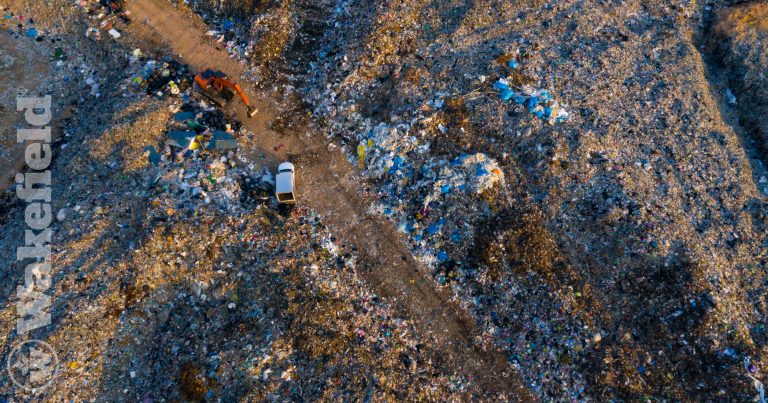
Tom Marrero, President of Wakefield BioChar, emphasizes the benefits. He says, “Paper mills are dealing with large amounts of wood waste and high disposal costs. In this partnership, we take care of the entire process—from testing and licensing to transportation and sales—turning DS Smith’s wood ash into a sustainable solution.”
Results and Future Impact
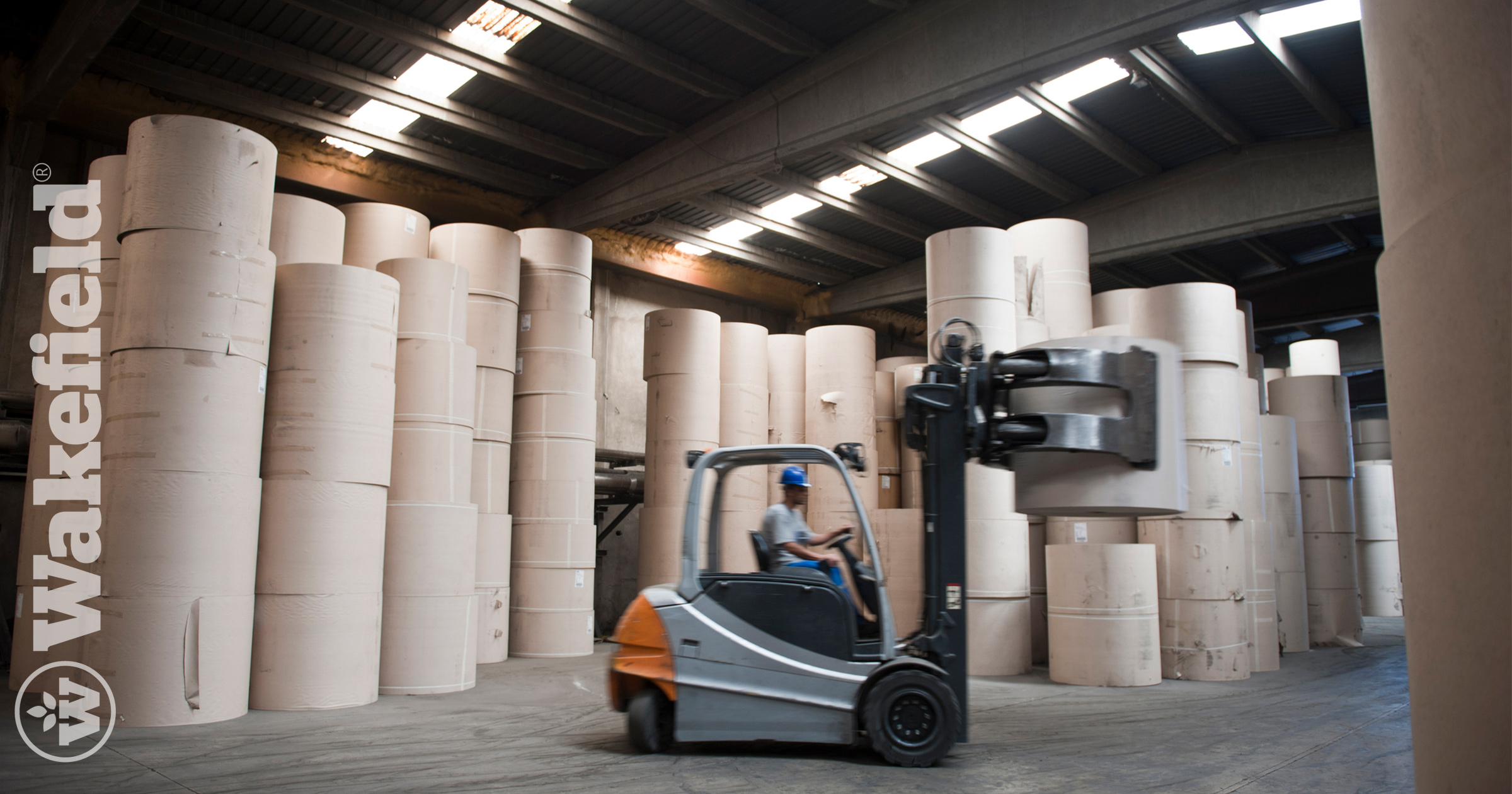
In a short period, DS Smith has already diverted more than 150 tons of wood ash to Wakefield BioChar, with hundreds more tons expected to follow in 2021. On average, farmers spread about 2 tons of biochar per acre, significantly improving soil health and supporting sustainable agriculture.