Can Biochar Burn Plants?
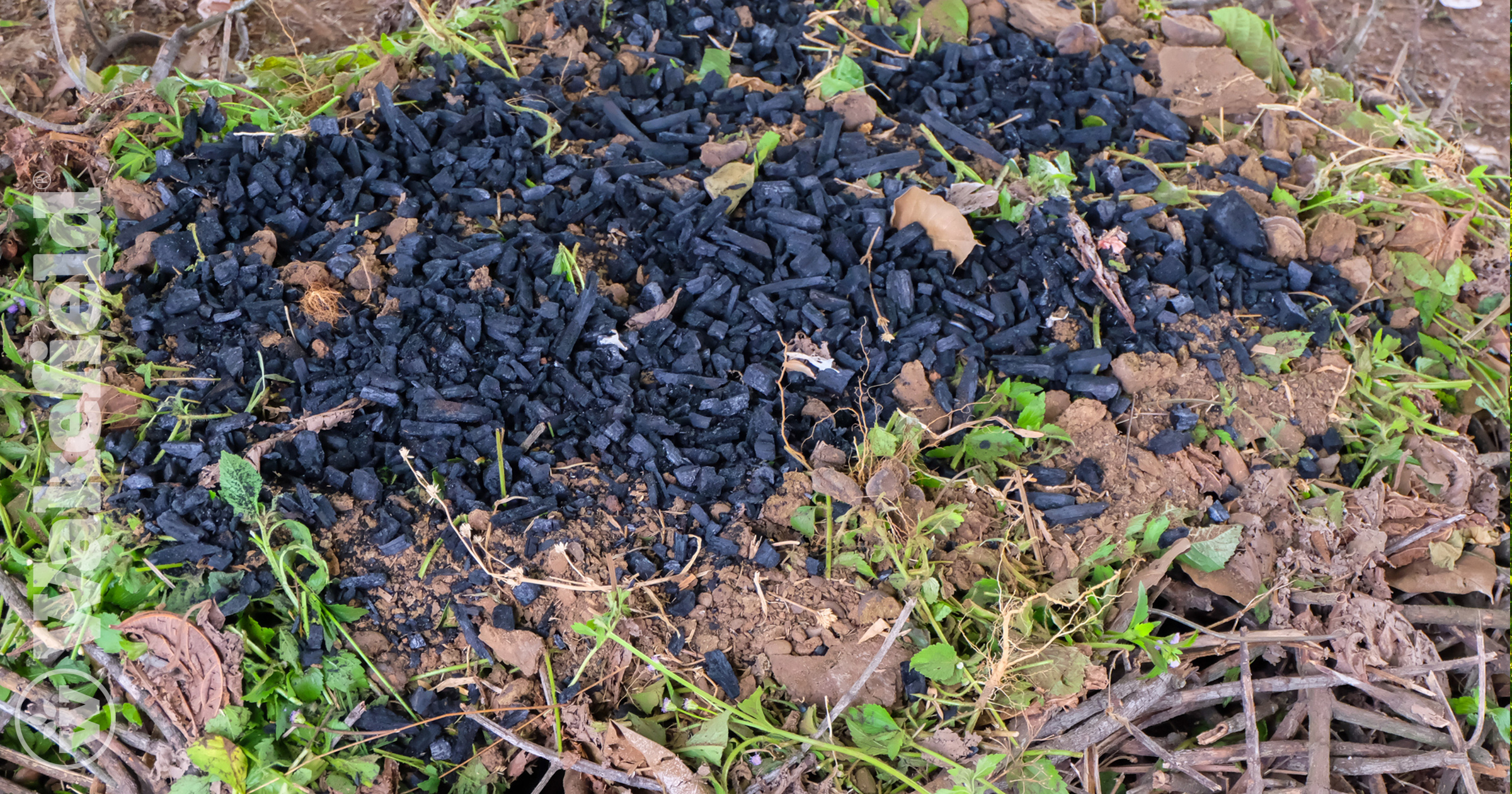
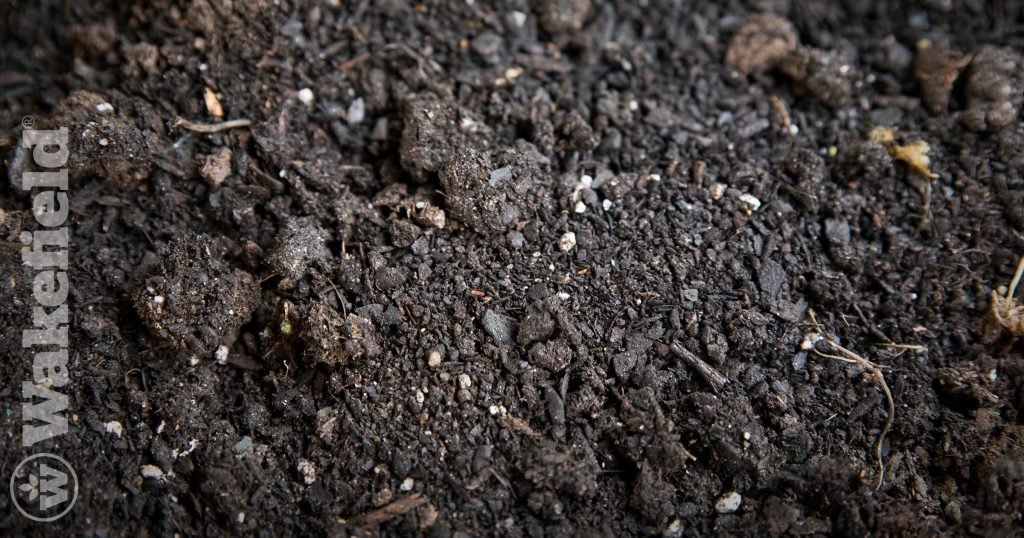
Learn why wood-based biochar does not cause fertilizer burn and how its porous structure supports water, nutrients, and healthy soil.
- UseGardening
- TopicProduct Guidance
Learning Center Use
Home gardening and consumer-scale growing applications.
Browse Wakefield BioChar articles and resources for this use.
These resources are filtered by the selected Learning Center Use.
Learn why wood-based biochar does not cause fertilizer burn and how its porous structure supports water, nutrients, and healthy soil.
CarbonBoost is the first soil amendment of its kind, blending cutting-edge technology with natural solutions.
Spring is knocking, and your garden is ready to stretch and grow!
Calculate, activate, mix, and maintain biochar in raised beds and in-ground gardens for lasting water, nutrient, and soil-structure benefits.
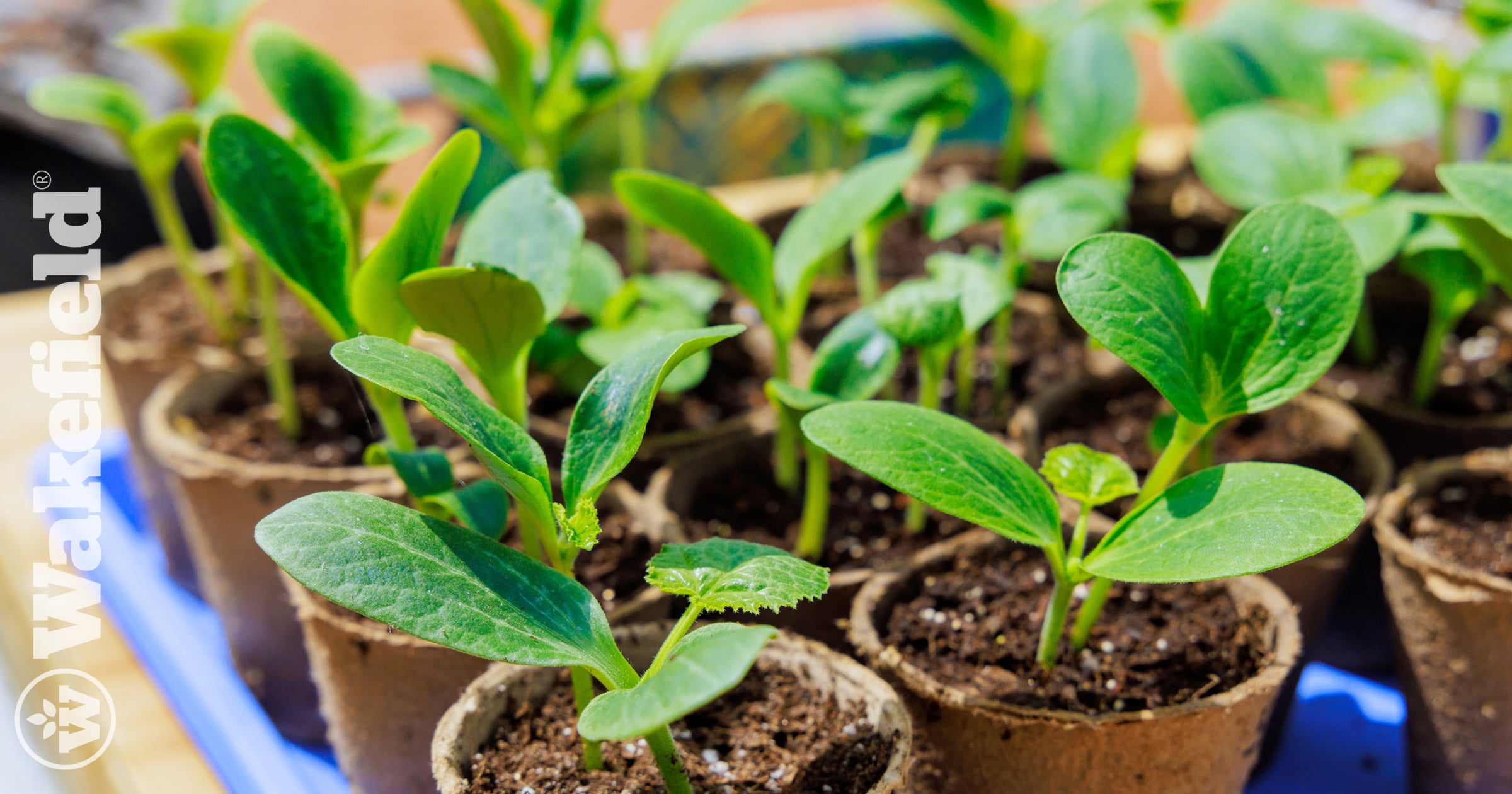
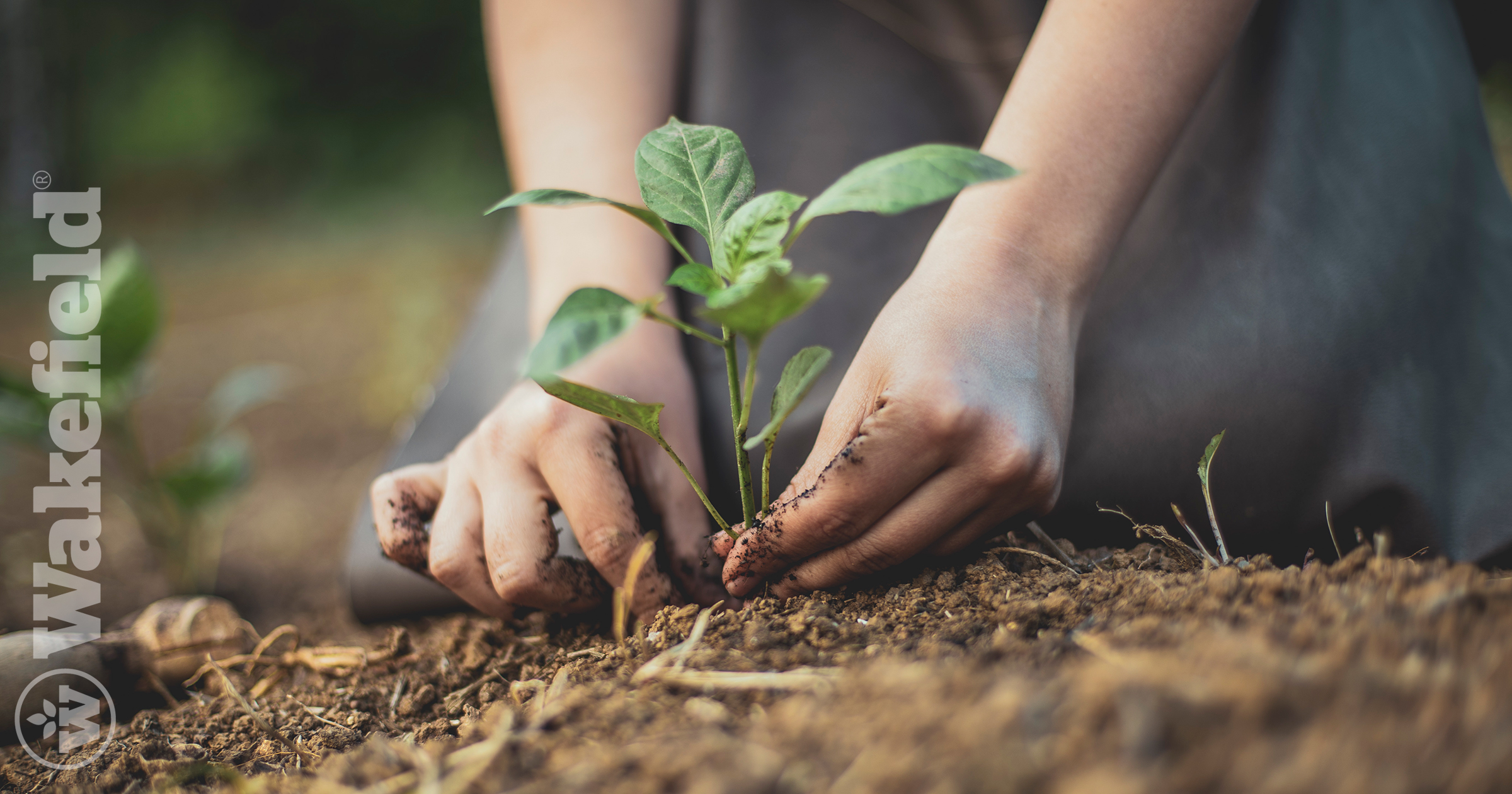
Biochar creates a balanced root zone that helps seedlings access moisture, air, nutrients, and the soil life needed for healthy growth.
When it comes to biochar vs. compost, what is the difference? Both serve as soil amendments and complement each other in many ways, but biochar stands out because
Think of terra preta as the first biochar. The combination of carbon and organic matter created in the Amazon Basin thousands of years ago still nourishes these soils
Soil conditioners are materials that provide nutrients, improve water retention, and boost air circulation for better quality soil. The condition of your soil plays a crucial role in
Learn how to add biochar to an established lawn to improve soil structure, moisture retention, nutrient use, root growth, and long-term resilience.
The Problem The use of a low ash biochar can aid in the prevention of salt damage caused during winter through the use of de-icing agents on roadways
Whether you're a farmer, homeowner, or landscape professional, you understand that healthy soil is the foundation of strong, thriving plants. But what exactly makes soil “healthy”—and how does
What Is Biochar? Biochar is a carbon-rich material created through pyrolysis, a process where organic matter is heated in a low-oxygen environment. Unlike burning, which releases carbon, pyrolysis