Product Resource
Read time
2 min read
What is CarbonBoost?
CarbonBoost is the first soil amendment of its kind, blending cutting-edge technology with natural solutions.
- UseGardening
- TopicProduct Guidance

Learning Center Use
Commercial growing, farms, agronomic use and larger-scale land applications.
Browse Wakefield BioChar articles and resources for this use.
These resources are filtered by the selected Learning Center Use.
CarbonBoost is the first soil amendment of its kind, blending cutting-edge technology with natural solutions.
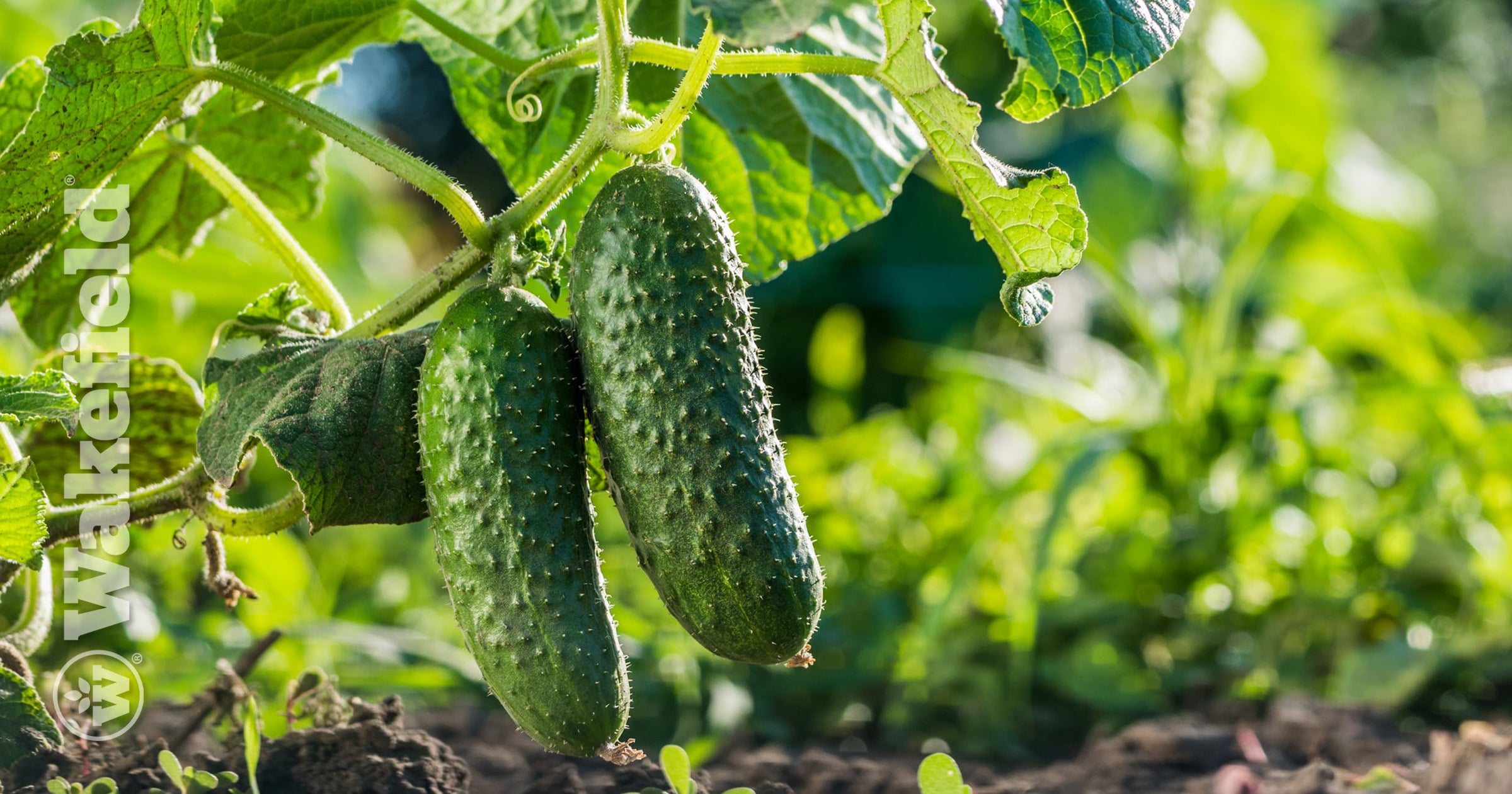
A recent field study from West Texas explored an important question facing growers in dry regions: how can farmers reduce water use while still maintaining healthy crops and
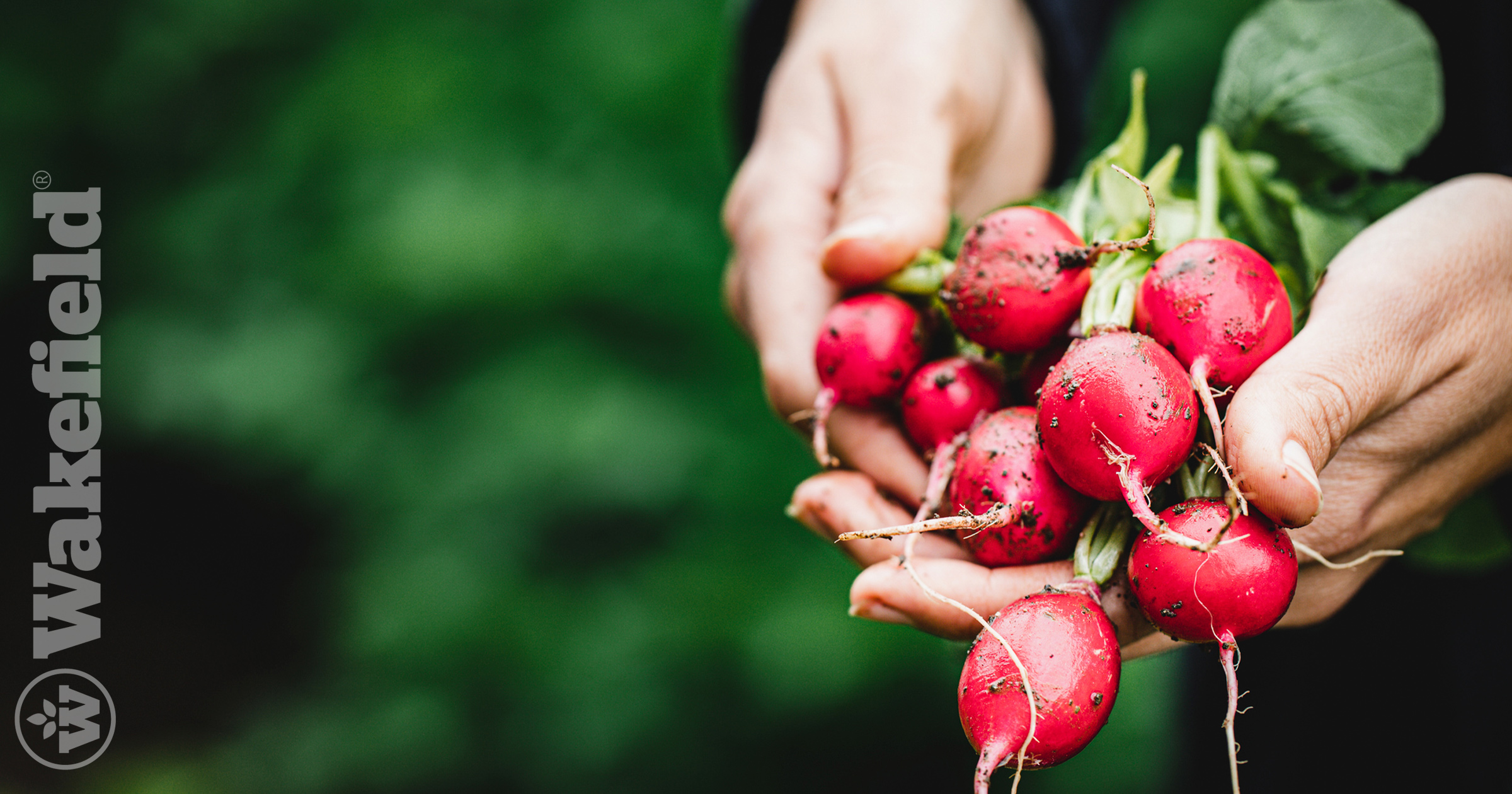
Download: An Assessment into the Effect of Water and Biochar on the Growth of Cherry Belle Radishes Acknowledgements I would like to thank Professor Tom Marrero for partially
The following report was requested on behalf of Wakefield Biochar and conducted by the University of Missouri. Wakefield BioChar conducted an experiment to determine the optimum growth conditions
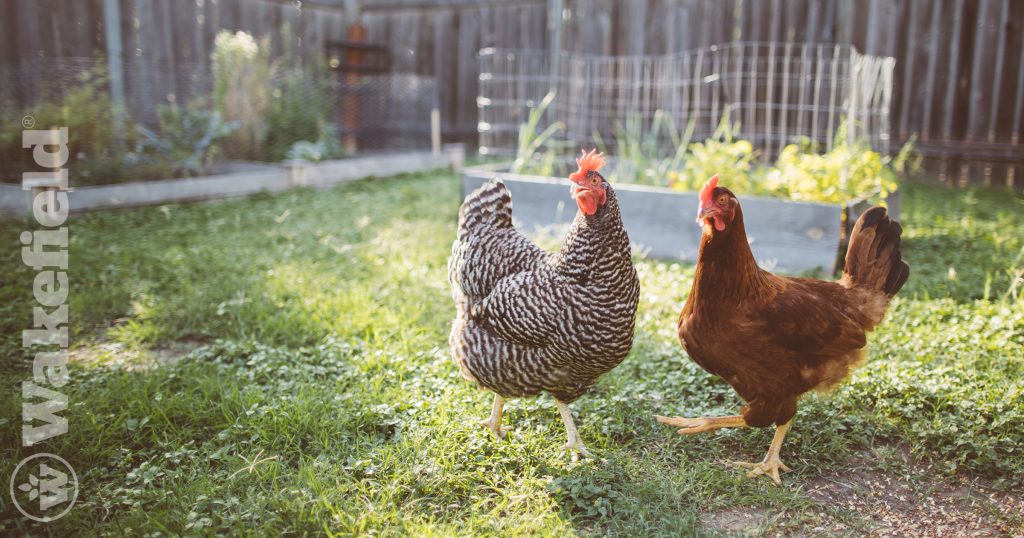
Download: BioChar in Poultry Farming by Ithaka Journal This Ithaka Journal publication analyzes the numerous benefits of biochar in poultry farming. Biochar’s ability to absorb moisture and organic
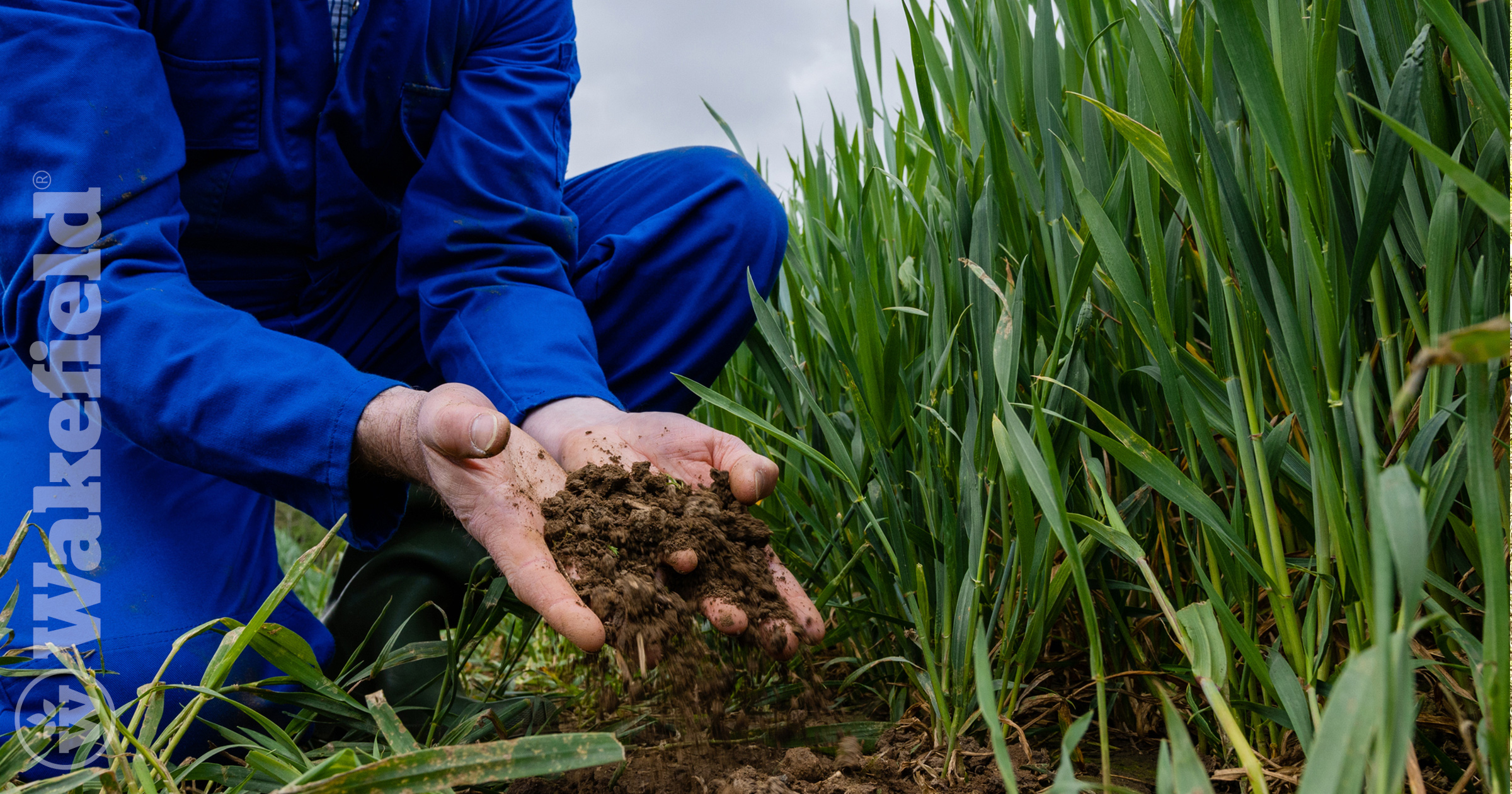
The Natural Resources Conservation Service (NRCS) is now welcoming applications for the 2024 Soil Amendment 336 grants. These grants offer financial support for soil remediation projects that meet
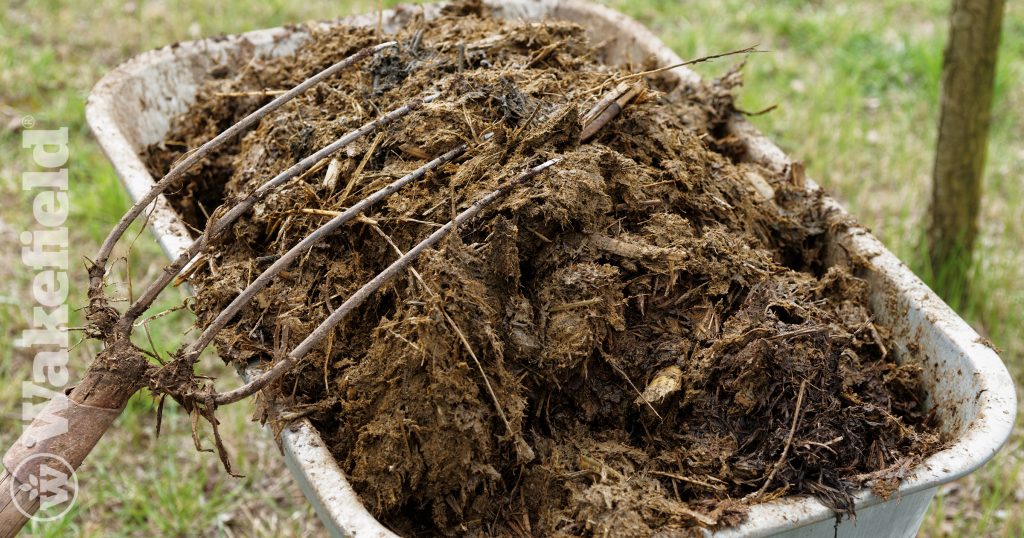
Combine biochar with animal manure to manage moisture and odors, retain nutrients, support composting, and create a useful soil amendment.
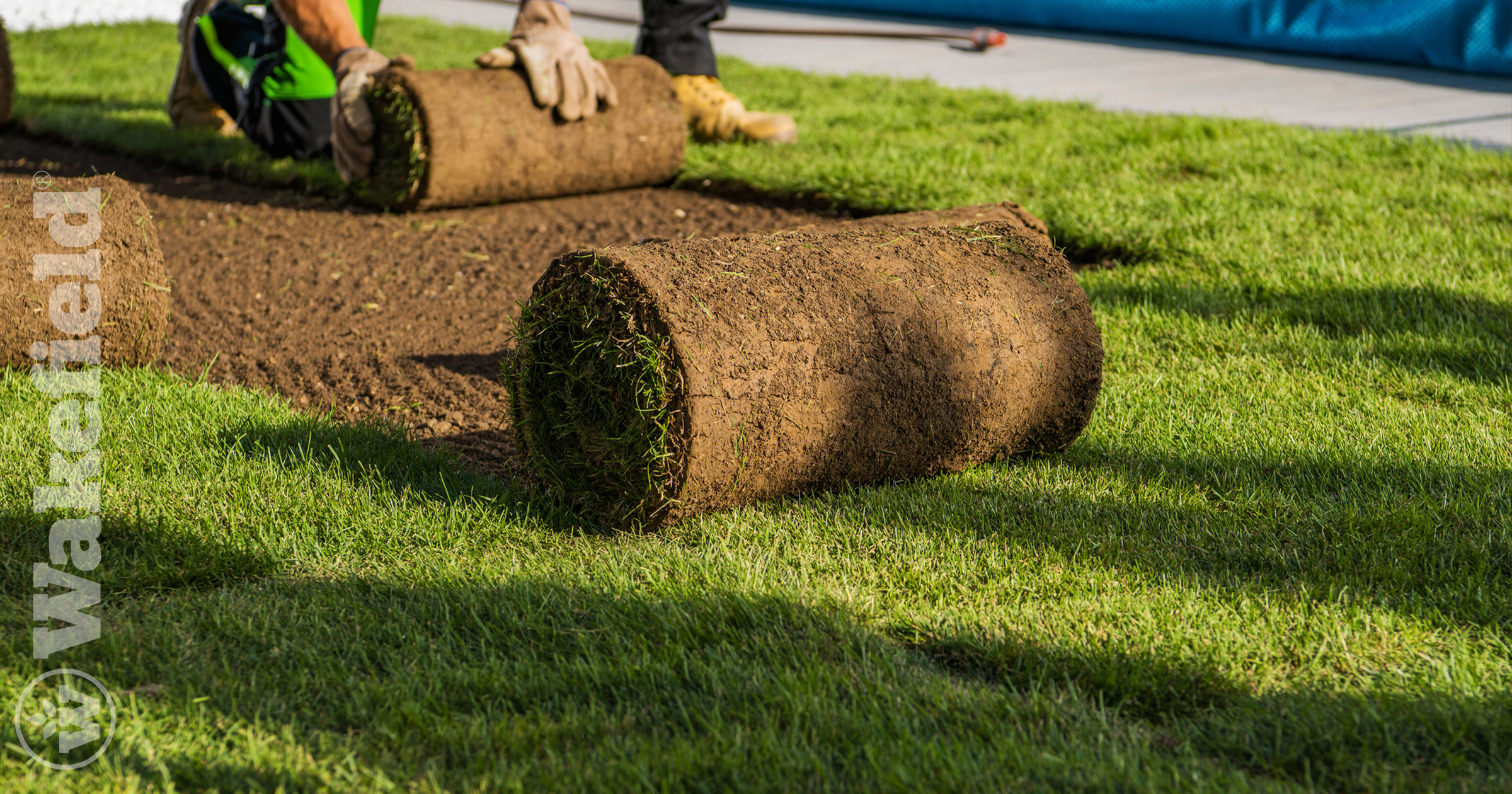
Biochar strengthens professional turf by improving root-zone structure, water and nutrient retention, wear recovery, and long-term soil performance.
Biochar helps urban farms build healthier soil, conserve water, grow nutritious food, and strengthen community programs centered on local agriculture.
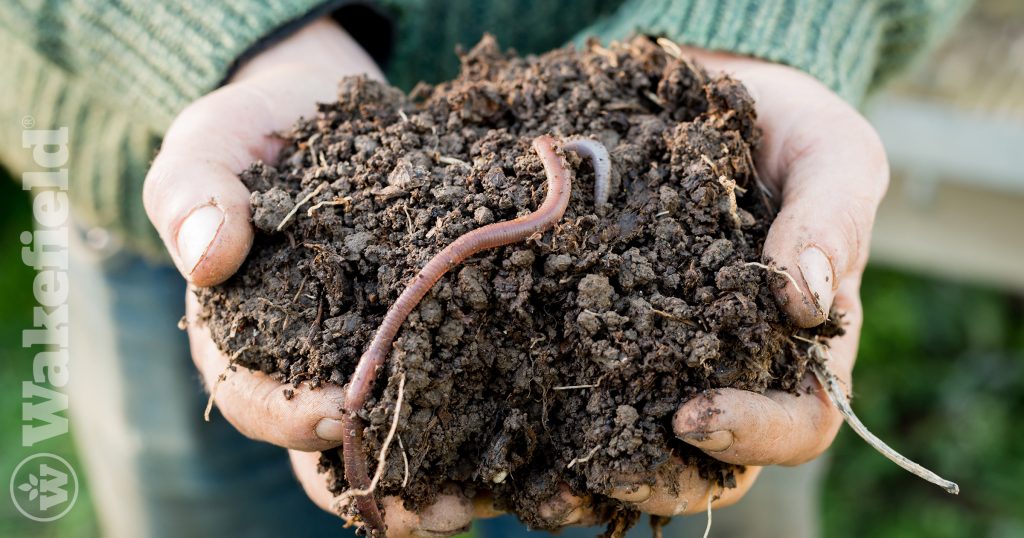
Earthworms can thrive in soil and compost containing biochar when moisture, organic matter, temperature, and pH remain suitable for them.
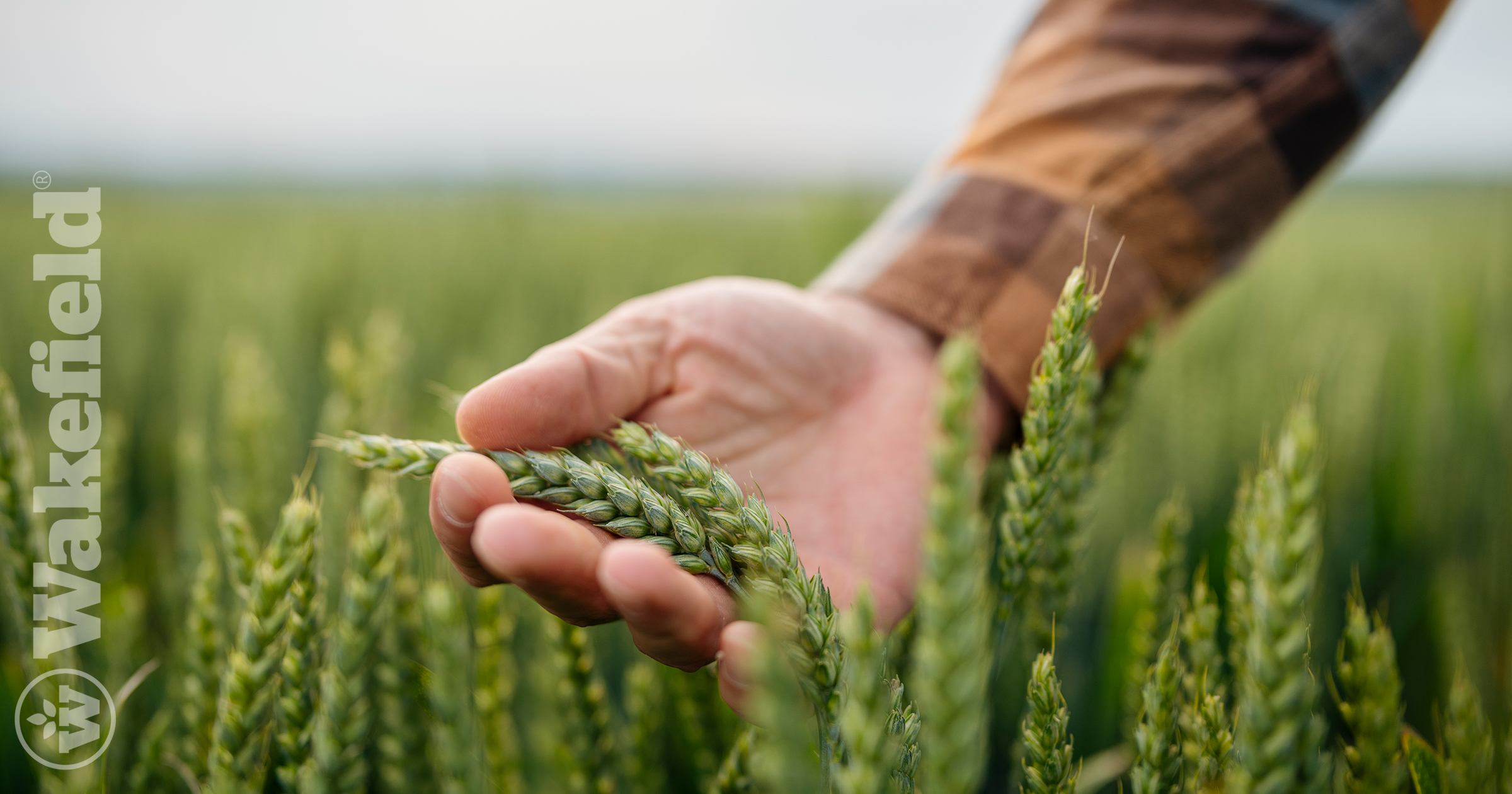
Explore what field-study meta-analyses show about biochar and crop yields, why results vary, and how to evaluate biochar on a farm.
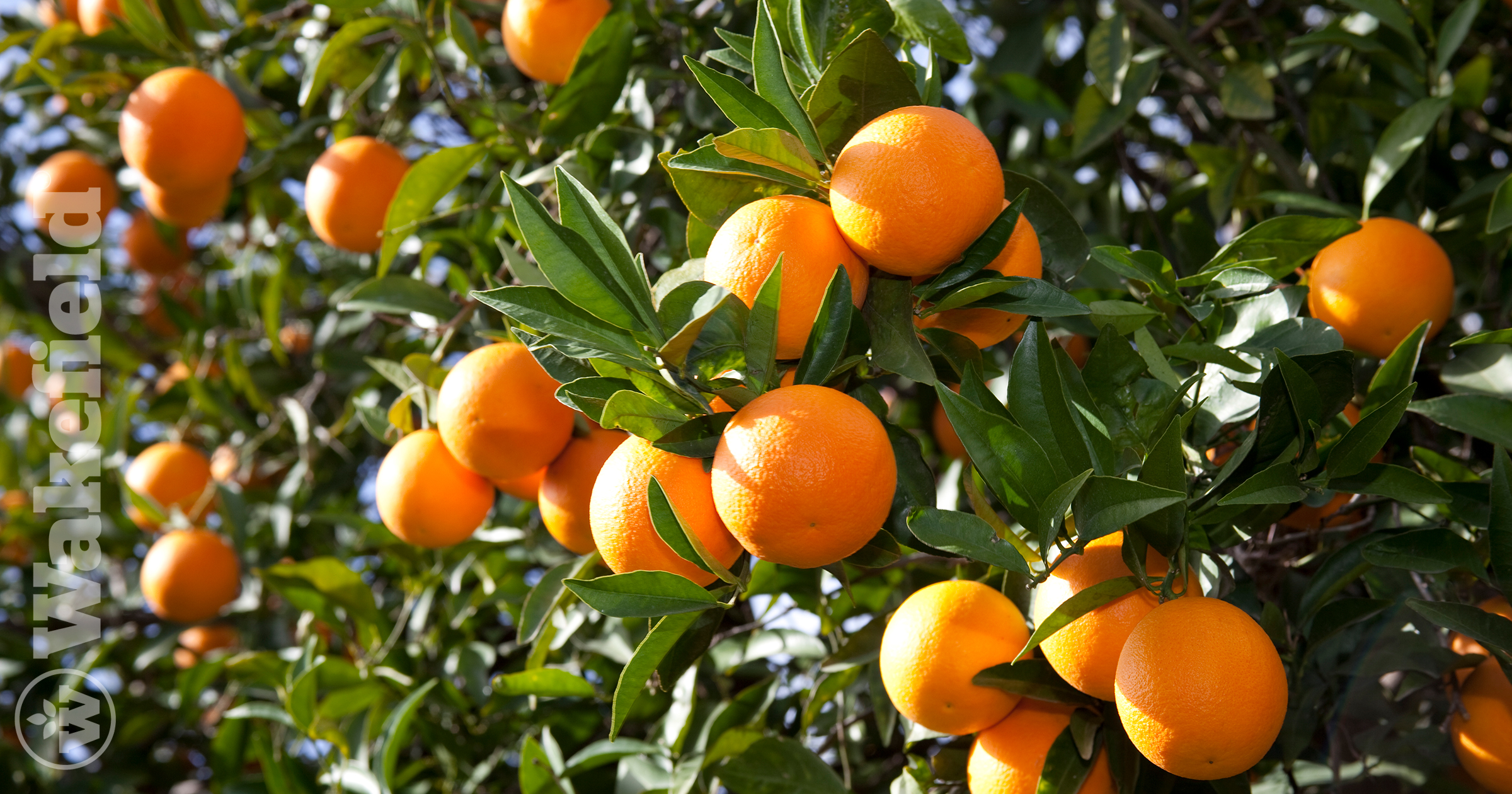
Examine what early Florida observations show about biochar and citrus soils—and why biochar should not be presented as a cure for citrus greening.