Municipal wastewater plants must manage changing flows, tighter discharge limits, aging infrastructure, and contaminants that older treatment systems were not designed to address. Wood-based biochar gives utilities a flexible carbon material that can support several parts of the treatment process.
Biochar is made by heating biomass with very little oxygen. The process creates a porous material with extensive internal surface area. In water, those surfaces can capture selected contaminants, exchange ions, and provide habitat for microorganisms that break down pollutants.

A Versatile Treatment Medium
Biochar captures dissolved compounds through adsorption, which holds molecules on the material’s surfaces. Its pore structure, surface charge, minerals, and chemical groups create multiple ways for pollutants to attach. This gives biochar potential across several contaminant groups, including nutrients, metals, dyes, petroleum compounds, pesticides, and some pharmaceuticals.
The material can also carry biofilms. These communities of microorganisms grow on protected surfaces and help transform organic matter and nutrients. A biochar medium can therefore combine physical filtration, adsorption, ion exchange, and biological treatment in one treatment zone.
Where Biochar Fits in a Municipal System
Biochar can be incorporated into fixed-bed filters, filter blends, biofilm reactors, constructed treatment cells, and final polishing systems. These formats give municipalities options for adding treatment capacity at a specific point rather than rebuilding an entire process train.
Early treatment stages can use biochar to reduce contaminant loads before water reaches sensitive equipment. Biological stages can use it as a surface for microbial communities. A polishing stage can target remaining nutrients, trace organic compounds, color, or odor before discharge or planned water reuse.
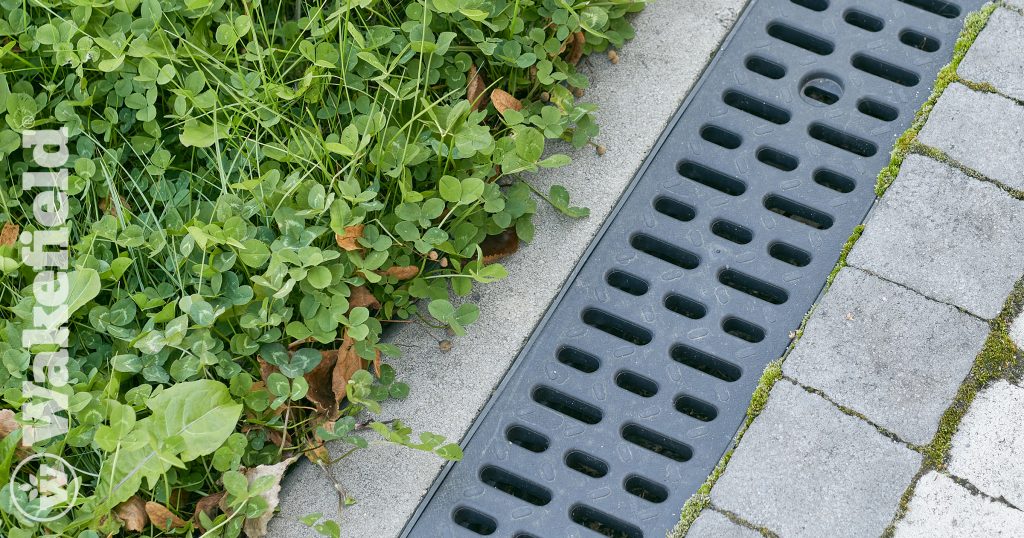
Biochar also has a role in stormwater and combined water-management systems. It can be used in filter media placed within catch basins, drainage features, or treatment cells to capture pollutants carried by runoff before they reach receiving waters.

Nutrient Capture and Resource Recovery
Nitrogen and phosphorus are valuable nutrients in the right place, but they can harm rivers and lakes when discharged in excess. Biochar can help capture ammonium and phosphate while supporting the biological processes that remove or transform nutrients.
This creates an opportunity to view wastewater as a source of recoverable materials. A defined end-use plan may allow captured nutrients or carbon-rich residuals to remain useful instead of becoming another disposal burden. The final pathway must reflect the contaminants retained by the material and the rules that govern the treatment system.
The Municipal Business Case
For public utilities, treatment performance is only part of the decision. A practical biochar system must also fit existing hydraulics, maintenance routines, operator capacity, permit limits, purchasing rules, and long-term budgets. Media life, pressure loss, replacement frequency, regeneration, and final management all affect total cost.
Biochar can be sourced from renewable biomass and produced in a range of particle sizes and surface properties. That flexibility supports media designed around a utility’s target contaminant and equipment. It also creates opportunities to use regionally available wood residuals and strengthen local beneficial-reuse markets.
From Pilot to Treatment Asset
A municipal project begins with a clear treatment goal: the contaminant, concentration, flow, and discharge requirement that define success. Bench and pilot work can then establish media selection, contact time, hydraulic behavior, service life, and operating cost within the utility’s existing process.
This approach turns biochar from a general sustainability idea into a defined treatment asset. With the right system design, it can help municipalities expand filtration, improve water quality, recover resources, and build more adaptable treatment infrastructure.