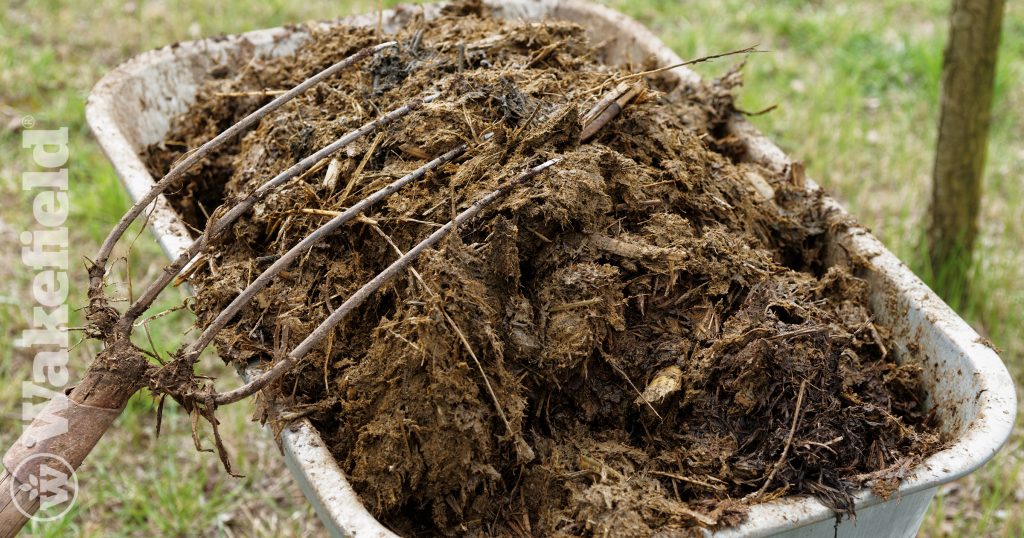
Biochar and animal manure work well together. Manure supplies nutrients and organic matter, while biochar adds a porous, carbon-rich structure. Mixing them can make manure easier to manage, reduce odors, hold moisture, and retain nutrients for later soil use.
This guide focuses on adding biochar to bedding, collected manure, or a compost pile. It does not cover feeding biochar to animals, which requires an approved product and guidance for the animal and production system.
Choose where to add the biochar
Add biochar to clean animal bedding, a manure collection area, or an active compost pile. Regular use in bedding lets the biochar begin collecting moisture and odor-causing compounds before the material reaches the compost area. If the manure has already been collected, add the biochar when you build or turn the pile.
Measure the blend
Begin with biochar equal to about 5% of the bedding or manure volume. For an existing manure pile that has not received biochar, a blend closer to 10% by volume offers more coverage. Measure by bucket, loader scoop, or another container that makes the ratio easy to repeat.
Mix the materials evenly
Spread biochar in thin layers as manure and bedding are collected, then mix the layers together. Even mixing gives the biochar more contact with moisture and nutrient-rich material. Lightly dampen very dry biochar before handling it, and wear suitable dust protection during large jobs.
Manage moisture and airflow
Keep the pile damp but not soaked. The material should feel similar to a wrung-out sponge. Add dry bedding or another carbon-rich material if the pile becomes wet and dense. Turn or aerate it so oxygen reaches the center and composting continues without strong, stagnant odors.
Compost and cure the mixture
Manage the pile as manure-based compost, with regular checks for heat, moisture, and airflow. Turn it so the material heats evenly, then allow it to cure after active heating slows. Finished compost should be dark and crumbly, with no recognizable manure or bedding. Follow the composting records and standards required for your farm or growing system.
Use the finished amendment
Apply the finished biochar-manure compost according to the nutrient needs of the field, garden, or planting area. Spread it evenly and incorporate it where roots can use the organic matter, nutrients, and stored moisture. Keep the material away from waterways and follow local manure and nutrient-management rules.
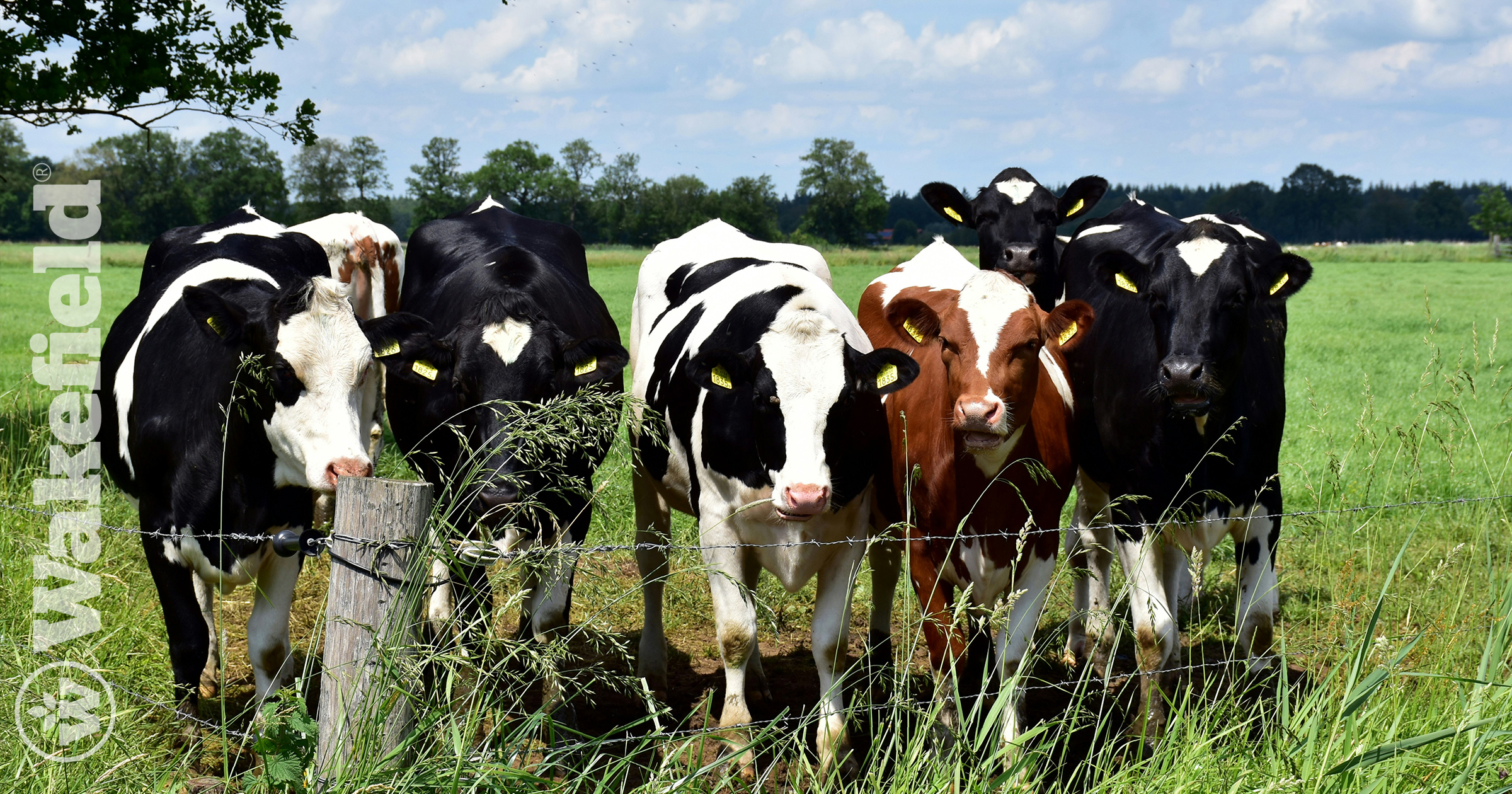
Why Biochar Works Well with Manure
Fresh manure and used bedding contain water, nutrients, and compounds that create strong smells. Biochar has a network of small pores and a large surface area. When the materials are mixed, those surfaces help hold moisture and nutrients within the manure system. This same structure explains how biochar can help manage odors.
Biochar also becomes charged with nutrients as the manure breaks down. Composting turns the blend into a stable amendment that combines organic matter with long-lasting carbon. The finished material is easier to spread than fresh manure and supports healthy soil structure, water movement, and root growth.

From Manure to a Useful Soil Amendment
Once composted and cured, the blend returns manure nutrients to the soil while putting biochar where it can support soil for years. It is especially useful in fields and sandy soils that lose water and nutrients quickly. The organic matter feeds soil life, while biochar helps keep more resources in the root zone.
Good manure management still matters. Prevent runoff, protect wells and surface water, and follow the rules that apply to your farm. For food crops, raw or incompletely composted manure may require a waiting period before harvest. Proper composting and careful application turn a waste stream into a practical resource for soil.