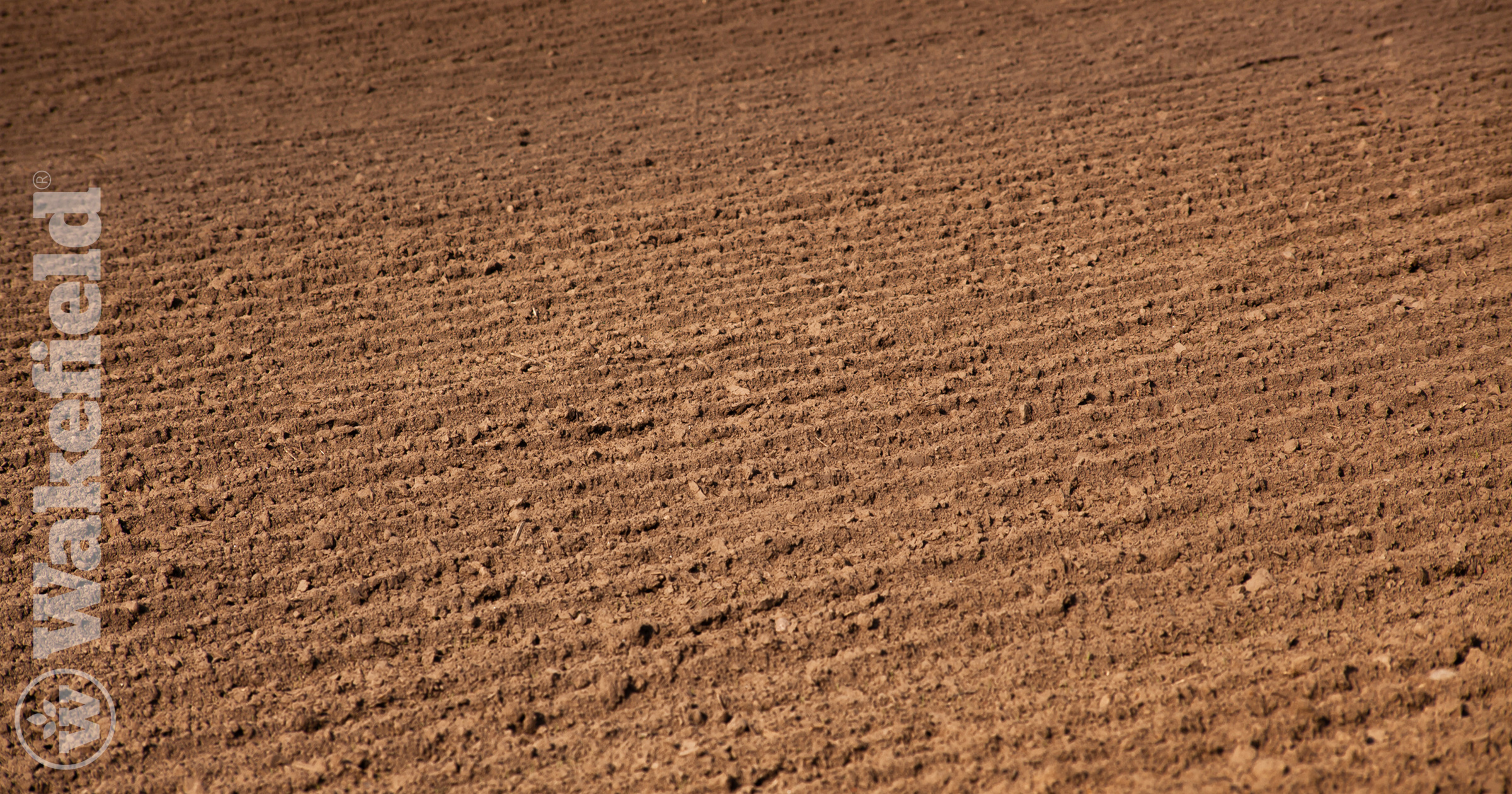
Loamy soil provides the balance many plants need. It holds useful moisture without staying saturated, drains excess water, allows air to reach roots, and stores nutrients. This combination makes loam productive for gardens, landscapes, lawns, and farms.
Biochar can make this strong soil foundation even better. Its porous carbon structure adds long-lasting space for water, nutrients, roots, air, and microorganisms without changing the basic qualities that make loam valuable.

What Is Loamy Soil?
Soil texture is shaped by three main particle groups. Loam contains a balanced blend of all three, giving it qualities that no single particle type provides alone:
- Sand has large particles that create drainage and airflow.
- Silt has medium particles that hold moisture and give soil a smooth texture.
- Clay has very small particles that retain water and nutrients.
Loam does not require equal portions of sand, silt, and clay. The exact blend can lean sandy, silty, or clay-rich while keeping the open, crumbly structure associated with productive soil. Compare these qualities with the fast drainage described in sandy soil conditions.
Why Plants Grow Well in Loam
Roots need both moisture and oxygen. Loamy soil stores water in smaller pores while larger spaces allow drainage and airflow. Roots can move through its loose structure, reach a wider area, and recover water and nutrients throughout the growing zone.
Loam also supports worms, fungi, bacteria, and other organisms that build healthy soil. These organisms break down organic matter, cycle nutrients, form aggregates, and create additional pore space. Their activity helps the soil remain fertile and workable over time.
How Biochar Strengthens Loamy Soil
Biochar adds a second network of pores to loamy soil. Water can enter these pores and remain available near plant roots between rainfall or irrigation. This complements loam’s natural water balance and helps the soil make more effective use of available moisture. Read more about biochar and water conservation.
Biochar surfaces also retain many nutrients supplied by compost, fertilizer, and decomposing organic matter. Holding those resources within the root zone supports plant use and microbial nutrient cycling. Because biochar breaks down slowly, its physical structure remains after fresh organic matter has decomposed.
Biochar and Compost Play Different Roles
Compost feeds the soil with fresh organic matter and nutrients. Biochar contributes durable carbon and pore structure. Used together, they support both the active biological side of the soil and the long-term physical framework around plant roots.
That partnership is useful even when loam already performs well. Compost replaces organic matter used by soil life, while biochar helps retain moisture and fertility from one season to the next. Mulch, plant roots, and reduced compaction also help protect loamy structure.
Keeping Good Soil Productive
Loam is productive because several soil functions remain in balance. Biochar reinforces that balance rather than replacing it. The result is a root zone with stronger water and nutrient storage, dependable airflow, active soil life, and lasting carbon.
For practical amendment choices and application guidance, continue with How to Improve Garden Soil with Amendments. That Guide explains how biochar, compost, mulch, and other materials fit into a complete soil-building approach.