Organic growers need to know whether the products they apply are allowed within an organic production system. The Organic Materials Review Institute (OMRI) helps answer that question by reviewing agricultural inputs, including fertilizers, pest controls, composts, and soil amendments.
When a biochar product is OMRI Listed®, it has been reviewed against the organic standards named in its listing. The listing gives farmers, gardeners, and organic certifiers a trusted source of product information. It also makes it easier to identify biochar made with approved ingredients and processes.
What OMRI Listed Means
OMRI reviews input products for compliance with standards such as the USDA National Organic Program. Its review covers the product’s ingredients, formulation, manufacturing process, label, and intended agricultural use. Products that meet the applicable requirements can appear in the OMRI Products List and display the OMRI Listed seal.
OMRI does not certify farms, food, or fiber as organic. Accredited certifying agents perform that work. Instead, OMRI evaluates the inputs used by organic operations. A listing applies to a specific product—not every product made by the same company—and growers still use it as part of their approved organic system plan.
How Products Earn an OMRI Listing
Manufacturers provide detailed information about the product and how it is made. OMRI reviews that information against its published standards and the rules for the requested use. If the product is allowed, OMRI assigns it a listing and places it in the searchable product database.
Listings are maintained through an ongoing renewal process. This gives growers access to current information about the manufacturer, product name, use class, status, and any restrictions. Before using an input in certified organic production, growers can check the live OMRI record and their organic system plan.
Why OMRI-Listed Biochar Matters
Biochar is a soil conditioner made by heating biomass with limited oxygen. It is not a concentrated fertilizer. Its porous structure helps soil hold water and nutrients, improves space for air and roots, and creates habitat for microorganisms involved in nutrient cycling. Biochar also stores plant-based carbon in a stable form that remains in soil for a long time.
These qualities make biochar useful in gardens, farms, raised beds, landscaping, and other growing systems. It can support stronger soil structure and keep more moisture and nutrients available in the root zone. Learn more about the science of biochar and using biochar in a garden.
For organic growers, an OMRI listing adds another layer of confidence. It shows that the specific biochar product has completed an independent input review for the listed organic use. That clear product identity also helps growers document the materials included in their production system.
Wakefield Biochar and OMRI
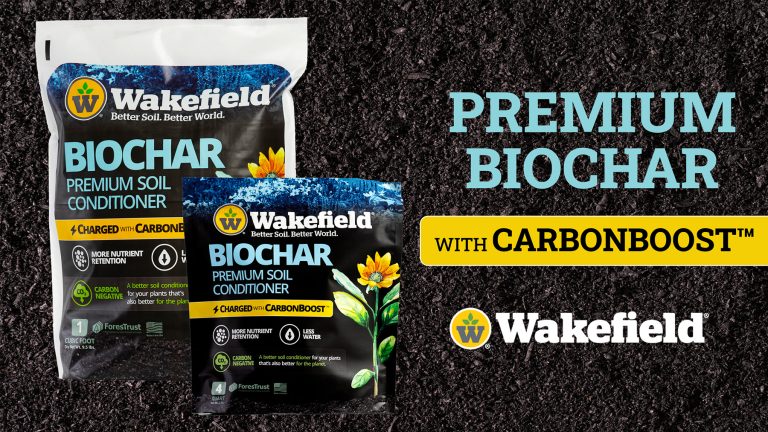
The OMRI product database lists Wakefield Biochar Soil Conditioner under Crop Fertilizers and Soil Amendments for the USDA National Organic Program. Its status is shown as Allowed in the Biochar category. Growers can review the current Wakefield Biochar OMRI listing for the latest status and product details.
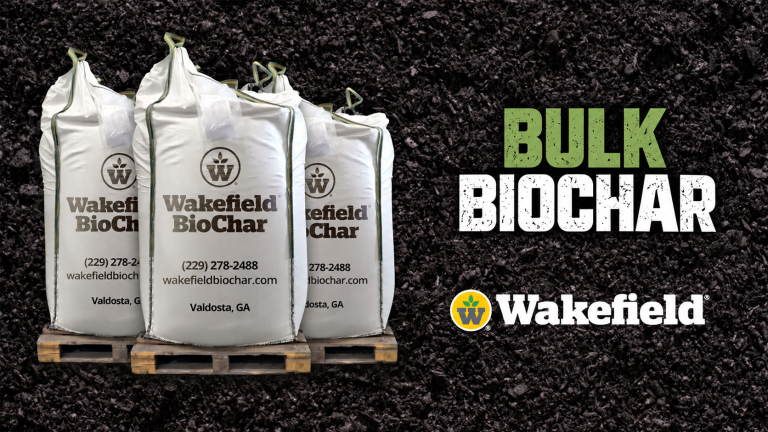
Wakefield’s wood-based biochar provides the broad soil benefits that make biochar valuable: better water and nutrient management, improved soil structure, microbial habitat, and stable carbon. Explore available Wakefield BioChar products or contact Wakefield to discuss an organic growing application.