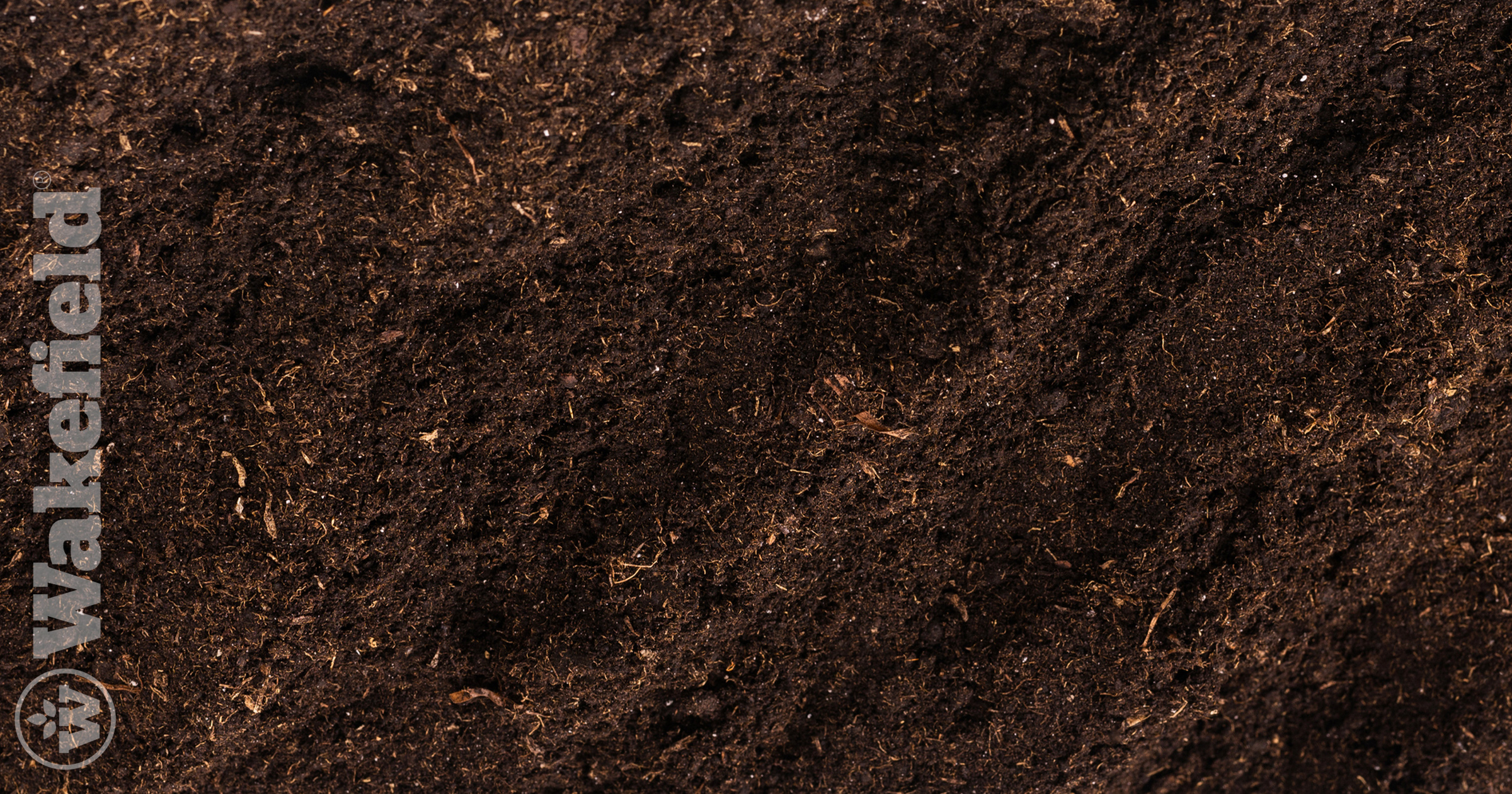
Peaty soil is rich in partly decomposed plant material. It forms where wet conditions slow decomposition, allowing organic matter to build up over time. The result is a dark, lightweight soil that can hold a great deal of water.
These qualities make peaty soil different from familiar mineral soils such as sand, clay, and loam. It can support plants that enjoy moist, acidic conditions, but excess water and limited air around roots can make other plants difficult to grow. Biochar adds lasting structure and helps create a more supportive root zone.
What Peaty Soil Is Like
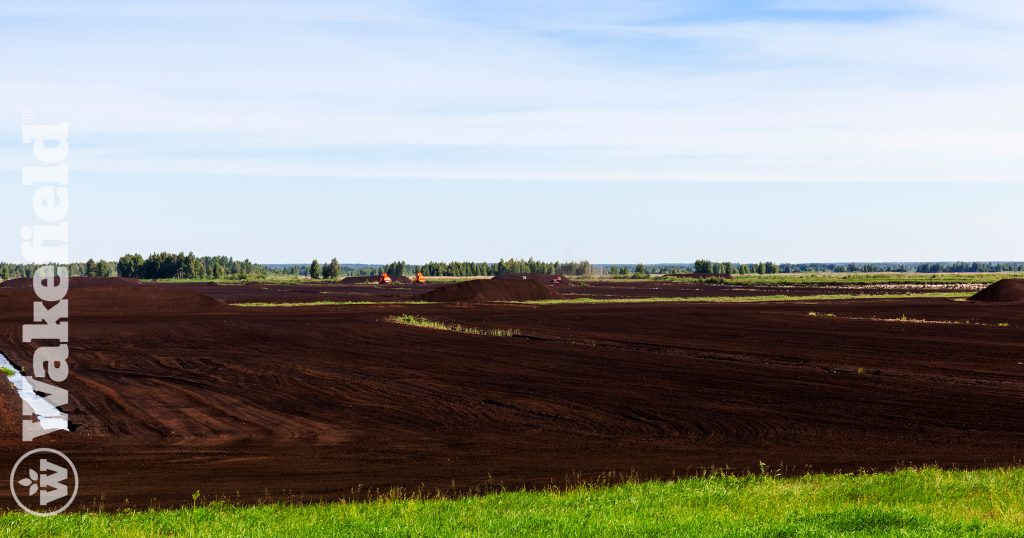
Peaty soil is dominated by organic material rather than mineral particles. Many peat soils form in bogs, wetlands, and other places that remain saturated for long periods. With little oxygen available, dead plants and mosses break down slowly and become layers of peat.
Common signs of peaty soil include:
- A dark brown or nearly black color
- A soft, spongy, or fibrous texture
- High water-holding capacity
- Low bulk density and a lightweight feel
- Acidic conditions in many peat-forming environments
- Slow release of nutrients from undecomposed organic matter
Benefits and Challenges of Peaty Soil
Peaty soil stores moisture and contains a large reserve of organic carbon. Its light structure is easy for roots to enter, and its ability to hold water can support moisture-loving plants through dry periods. Blueberries, cranberries, ferns, and several other plants are well suited to the acidic conditions found in many peaty soils.
The same water-holding ability can become a challenge when soil remains saturated. Plant roots need both water and air. Long periods of waterlogging reduce oxygen in the root zone, slow nutrient cycling, and can weaken plants that prefer drier conditions. Peat can also shrink and become difficult to wet again after severe drying.
How Biochar Supports Peaty Soil
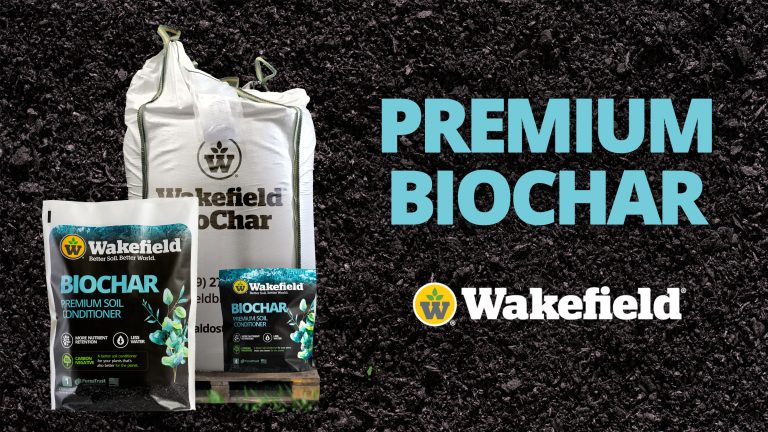
Biochar is a carbon-rich soil conditioner made by heating biomass with limited oxygen. Unlike fresh organic matter, its structure changes slowly in soil. The pores within wood-based biochar add durable surfaces that hold nutrients, support microorganisms, and create spaces where water and air can move around roots.
In peaty soil, these qualities support better nutrient management and a more stable growing environment. Biochar can retain nutrients that would otherwise move away with water and keep them available in the root zone. Its surfaces also provide habitat for organisms involved in breaking down organic material and cycling nutrients.
Biochar works as a long-lasting part of soil structure rather than a quick fertilizer. Where standing water is the main problem, drainage and appropriate plant selection remain important. Read more about how soil conditions affect waterlogged plants.
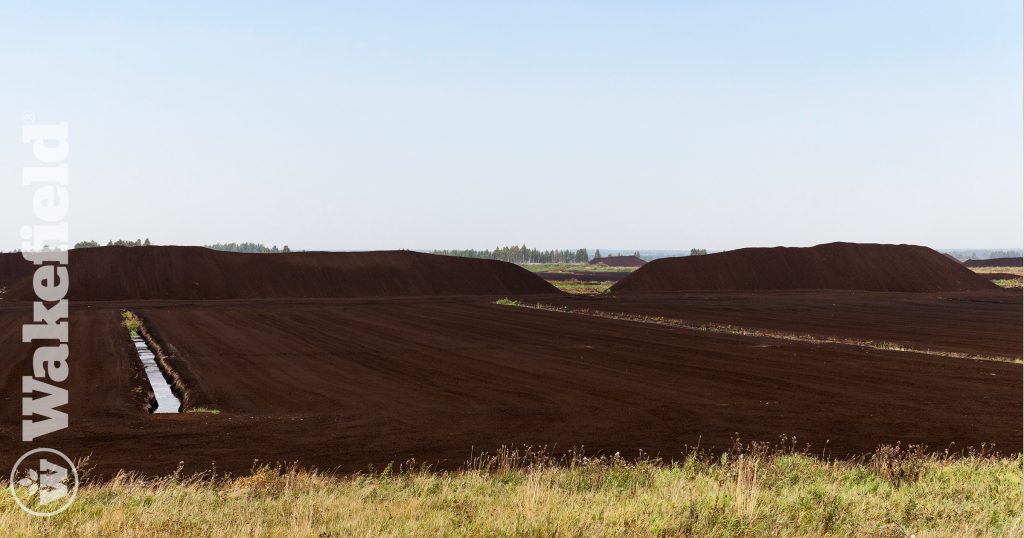
Peaty Soil and Peat Moss Are Different
Peaty soil occurs naturally in landscapes, while peat moss is harvested and sold as an ingredient for potting mixes and garden beds. Removing peat for horticulture disturbs peatlands that store carbon, manage water, and provide wildlife habitat. Protecting those ecosystems has increased interest in renewable alternatives.
Wood-based biochar is made from biomass such as wood waste. It keeps useful material in circulation and stores plant-based carbon in a stable form. In garden and potting blends, biochar can provide lasting pore space and nutrient retention while reducing reliance on harvested peat.
Whether it is used in naturally peaty ground or as part of a peat-free growing mix, biochar supports the same broad goal: building soil that manages water and nutrients well and provides a healthy environment for roots.