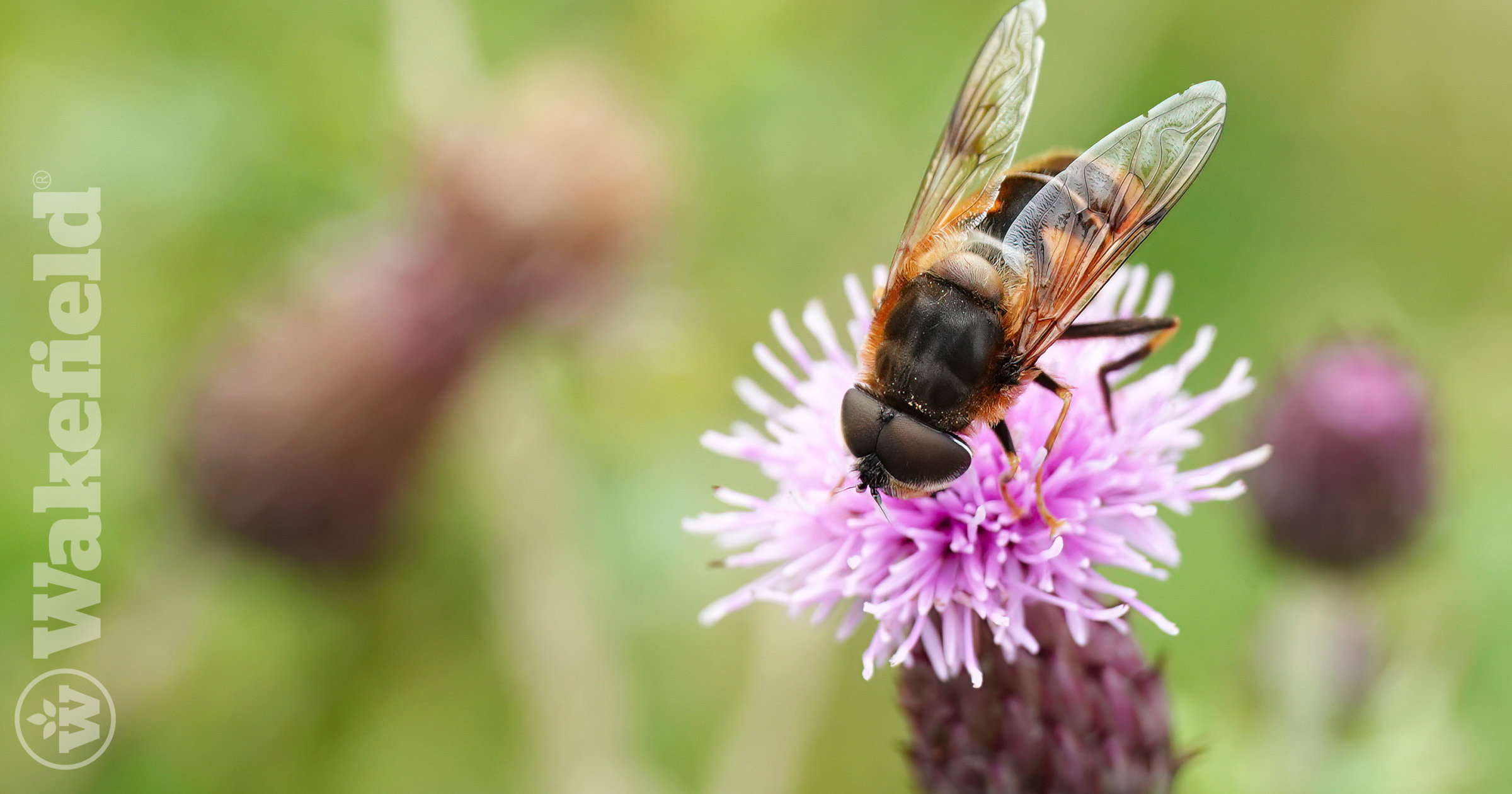
Healthy soil is alive. A handful can contain bacteria, fungi, protozoa, nematodes, insects, and other organisms, all interacting with plant roots and organic matter. This variety of life is known as soil biodiversity.
Each group performs a different job. Together, soil organisms release nutrients, build structure, move water and air, and support plant growth. When that living community becomes smaller or less varied, the soil loses many of the natural processes that keep it productive.
Why Soil Biodiversity Matters
Bacteria and fungi break down plant material and move nutrients through the soil food web. Fungi also form connections with roots that help plants reach water and minerals. Predatory organisms keep other populations in balance, while earthworms and insects create channels that improve soil structure.
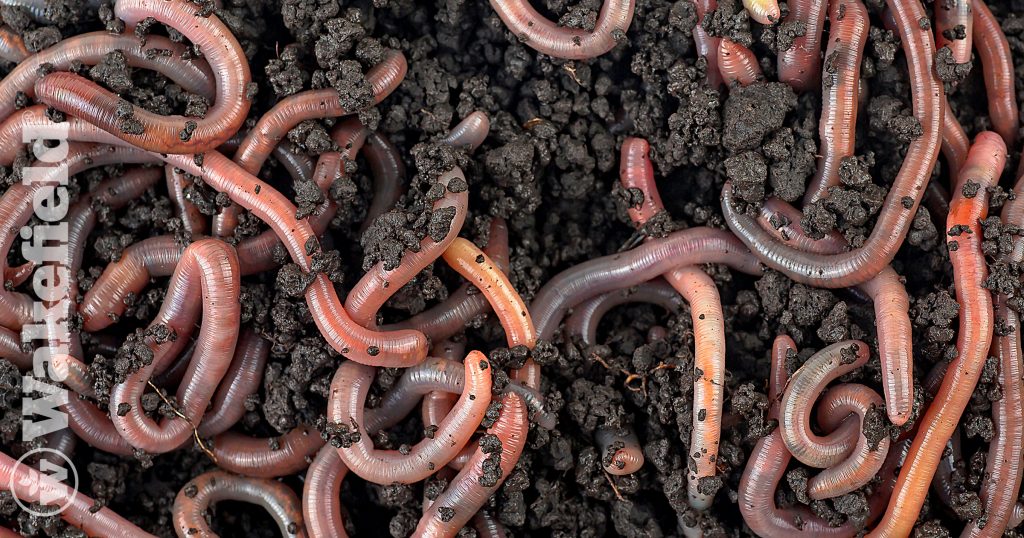
These activities help soil form stable aggregates, or small clusters of soil particles. Stable aggregates create space for roots, water, and air. They also help the ground resist erosion and store organic carbon. The Food and Agriculture Organization identifies soil organisms as key drivers of nutrient cycling, soil structure, water regulation, and plant health.
What Reduces Life in Soil
Soil organisms need food, moisture, air, and protected living space. Repeated disturbance can break fungal networks and expose organic matter. Bare ground leaves the surface vulnerable to heat, drying, and erosion. Heavy traffic can compact soil and reduce the pore space that roots and organisms use.
Removing plant residue also removes a major food source for decomposers. Excessive or poorly managed agricultural inputs can disrupt biological communities, while pollution can damage both soil organisms and their habitat. Land clearing and deforestation remove vegetation that feeds and protects the soil.
As biodiversity declines, decomposition and nutrient cycling slow down. Soil structure becomes less stable, roots have fewer biological partners, and the ground becomes less able to manage water or recover from drought, heavy rain, and other stress.
How Biochar Supports Soil Biodiversity
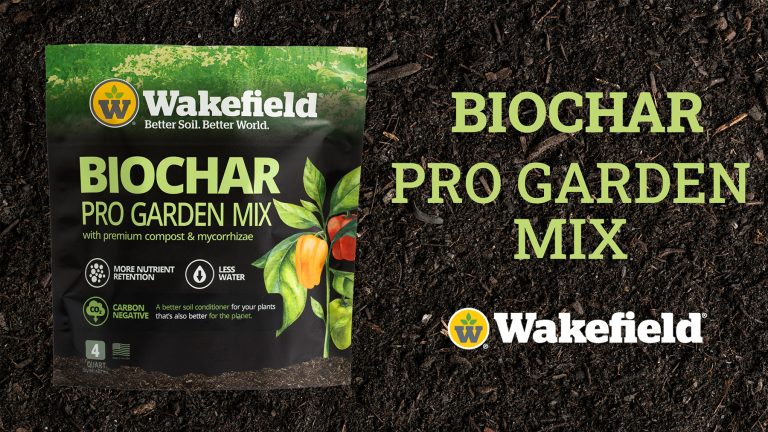
Biochar is a porous soil conditioner made by heating biomass with limited oxygen. Its network of pores creates durable surfaces where microorganisms can live. These protected spaces hold moisture, air, nutrients, and organic compounds near the root zone.
Biochar also improves the physical setting around soil life. It adds pore space, supports water and nutrient retention, and gives roots more room to grow. As roots release sugars and other compounds, those materials feed bacteria and fungi living on nearby biochar surfaces.
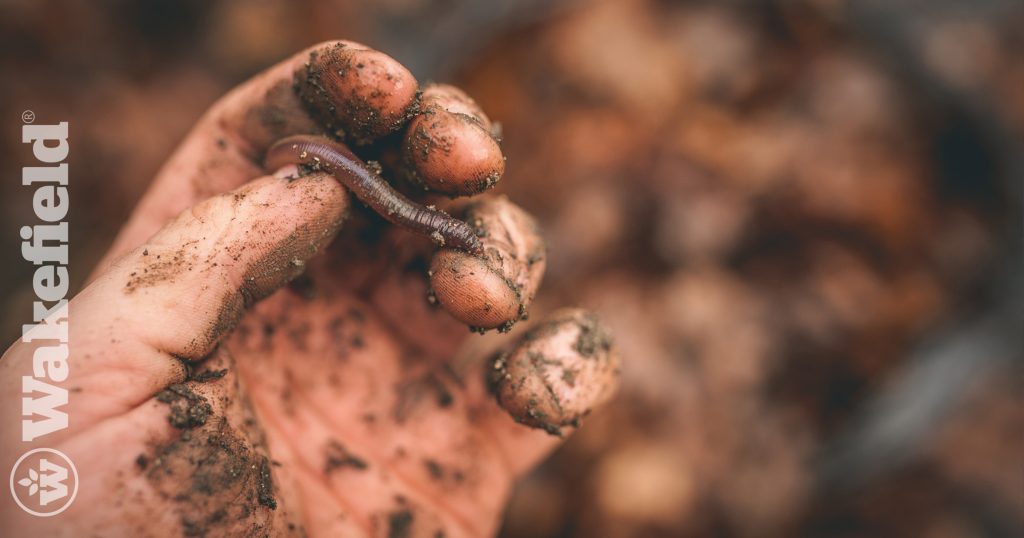
Research reviews have found that biochar can increase microbial richness and diversity. The response grows from the interaction between biochar, roots, organic matter, and the existing soil community. Biochar provides the habitat; plants and organic materials provide much of the food.
Building a More Living Soil
Biochar works well as part of a broader soil-building approach. Compost, crop residue, mulch, and living roots supply fresh organic matter. Cover crops and diverse plantings support different root systems and soil organisms. Reducing unnecessary disturbance helps their underground networks remain intact.
Together, these practices create food, shelter, moisture, and air for soil life. Biochar contributes long-lasting pore structure and carbon, while plants and organic matter keep the biological community active. The result is soil that cycles nutrients, supports roots, and responds more strongly to changing conditions.