
Sandy soil is light, loose, and easy to work. Its large particles create open spaces that allow air and water to move freely. These qualities support healthy roots and good drainage, but they also make it harder for soil to hold the water and nutrients plants need. Biochar helps balance those strengths and challenges by adding a durable, porous material to the soil.
What Makes Sandy Soil Different?
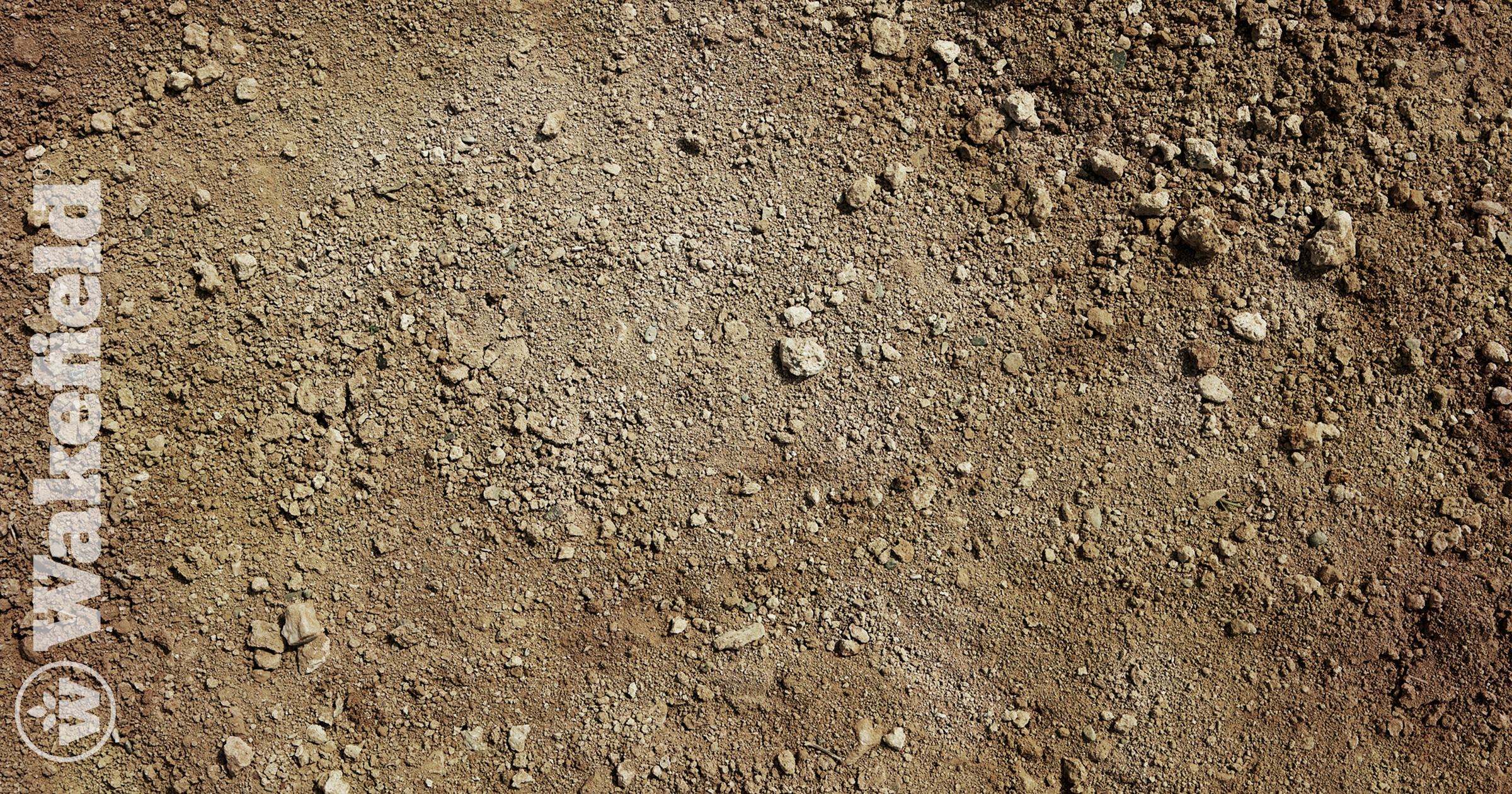
Sandy soil contains a high share of large mineral particles formed through the erosion and weathering of rock. It often feels gritty and falls apart when squeezed. Because the particles do not pack closely together, water drains through sandy soil much faster than it moves through clay or loamy soil.
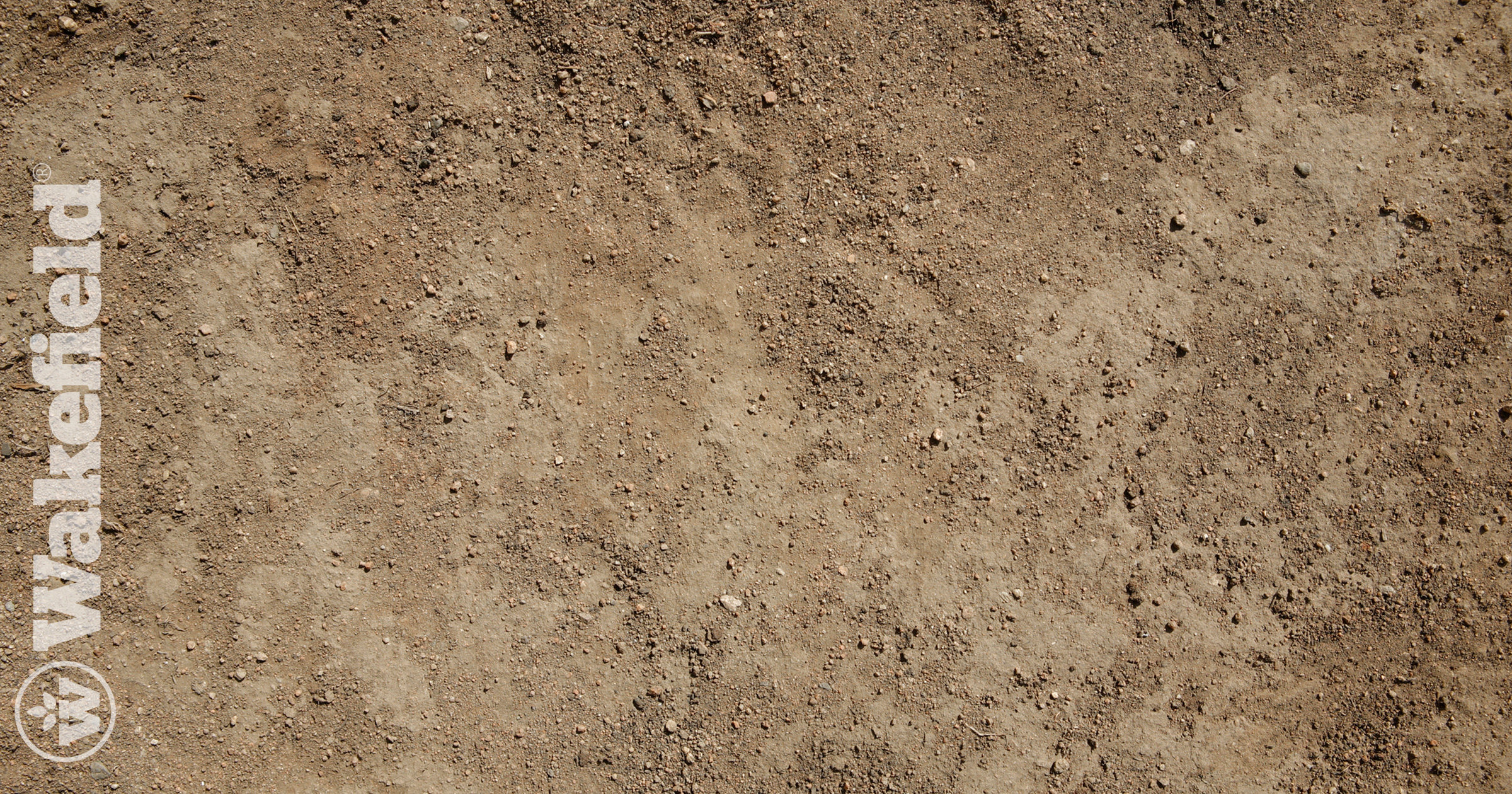
Fast drainage can be useful in places that receive heavy rain. It also helps air reach plant roots and allows sandy ground to warm early in spring. The tradeoff is that the soil dries quickly. Water can carry soluble nutrients below the root zone before plants have time to use them. Low organic matter can make this problem worse because the soil has less material to hold moisture and nutrients.
How Biochar Improves Sandy Soil
Wood-based biochar has a network of small pores and a large internal surface area. When mixed into sandy soil, that structure creates places where water can collect instead of draining away at once. The stored moisture remains available in the root zone, helping plants stay hydrated longer between rain or watering.
Biochar also helps keep nutrients from moving out of the root zone. Its surfaces can hold nutrients supplied by fertilizer, compost, and decaying organic matter, then make them available as plants need them. This supports more efficient use of water and plant food while building a healthier growing environment.
The structure of biochar lasts in soil for many years. Unlike organic matter that breaks down quickly, biochar continues to support water storage, nutrient retention, and soil life over time. It does not turn sandy soil into clay or stop drainage. Instead, it gives fast-draining soil more capacity to support plant growth.
Biochar and Organic Matter Work Together
Biochar becomes even more useful when paired with compost. Compost supplies organic matter and nutrients, while biochar provides a stable structure that helps keep those resources in the soil. The pores in biochar also create habitat for microorganisms involved in nutrient cycling and healthy soil function.
This combination helps sandy soil develop better moisture balance without losing the drainage and aeration that make it easy to work. Plant roots gain more consistent access to water, nutrients, and air. Over time, the soil becomes better able to support gardens, lawns, shrubs, and trees through dry weather.
Building Healthier Sandy Soil
Sandy soil does not have to be poor soil. Its natural drainage and aeration are useful qualities. Biochar strengthens it where it needs the most help: holding water, keeping nutrients near roots, and supporting lasting soil structure.
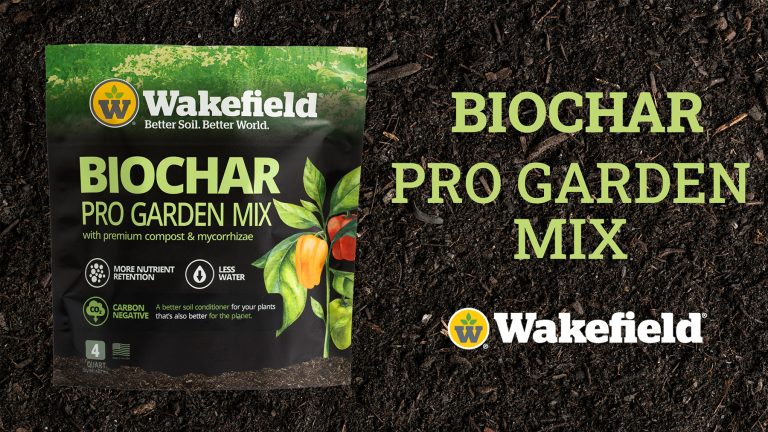
Wakefield BioChar is made from recycled wood and designed for use as a soil conditioner. Adding it to sandy soil can create a more dependable growing environment while making better use of water and nutrients. Learn more about Wakefield’s biochar and compost solutions for gardens and landscapes.