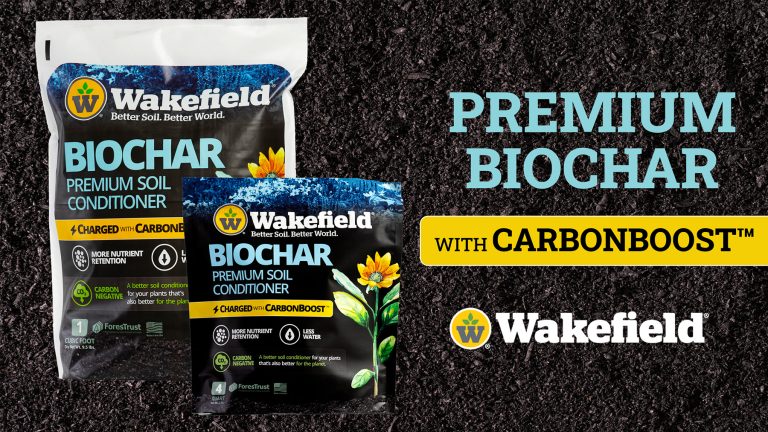
Silty soil is smooth, fertile, and able to hold both water and nutrients. These qualities can make it excellent for gardens, farms, lawns, and landscapes. Its fine particles can also pack closely together, leading to compaction, slow drainage, and erosion. Wood-based biochar adds durable structure that helps silty soil maintain a healthier balance of water, air, and nutrients.
What Is Silty Soil?
Silt is made of mineral particles that are smaller than sand but larger than clay. It forms as water, ice, and wind wear down rock and carry the fine material to new places. Silt often settles along rivers, floodplains, and deltas, where it has helped create productive farmland.
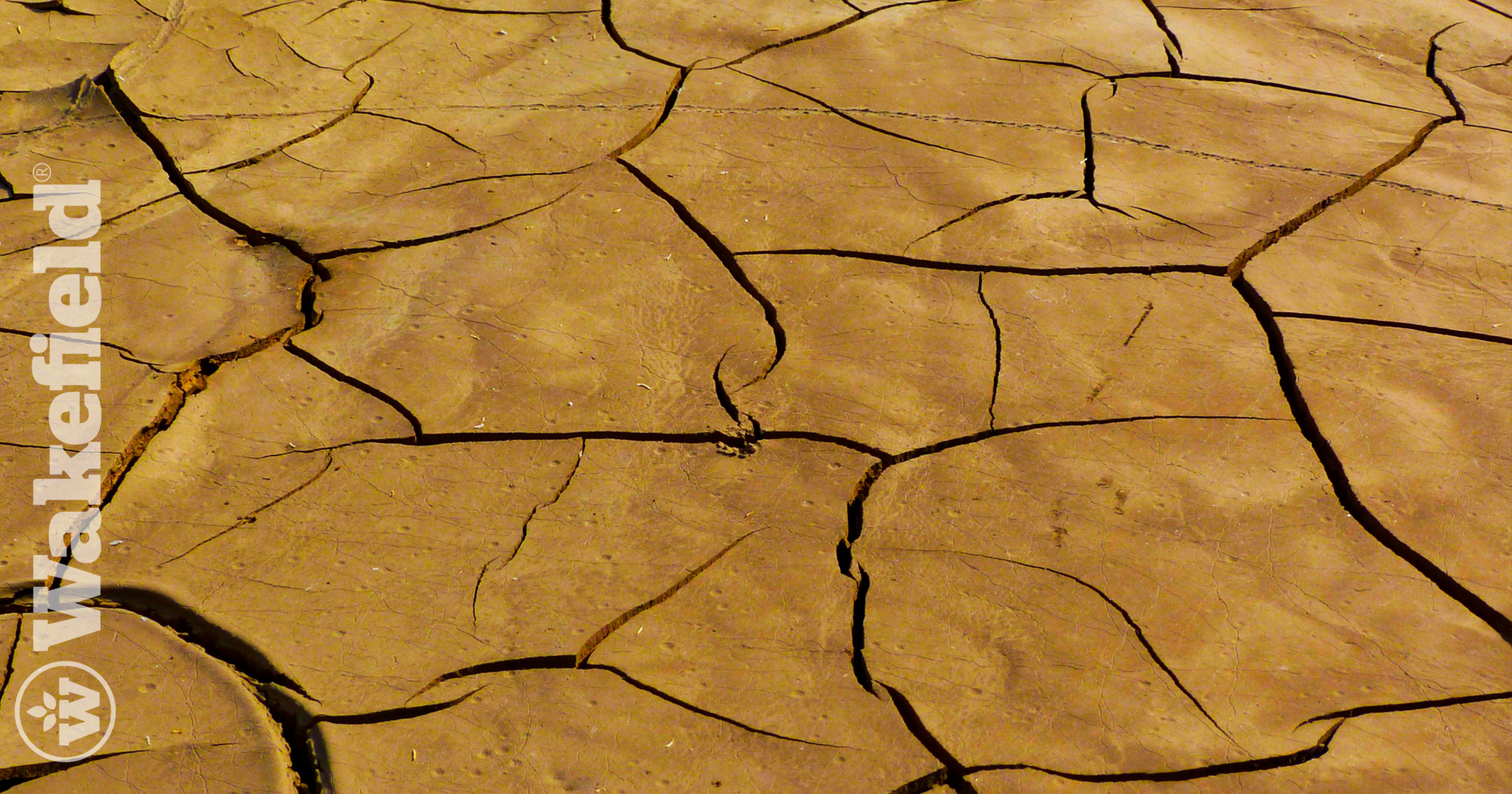
Silty soil feels soft and smooth when dry. When moist, it can feel slippery but does not become as sticky as heavy clay. The small particles provide more surface area than sand, helping the soil hold moisture and plant nutrients. At the same time, silty soil usually allows more air movement than dense clay.
Strengths and Challenges of Silty Soil
The moisture and nutrient-holding ability of silty soil supports steady plant growth. Its soft texture is also easy for roots to explore. In well-structured soil, water, air, roots, and soil organisms can move through spaces between particles.
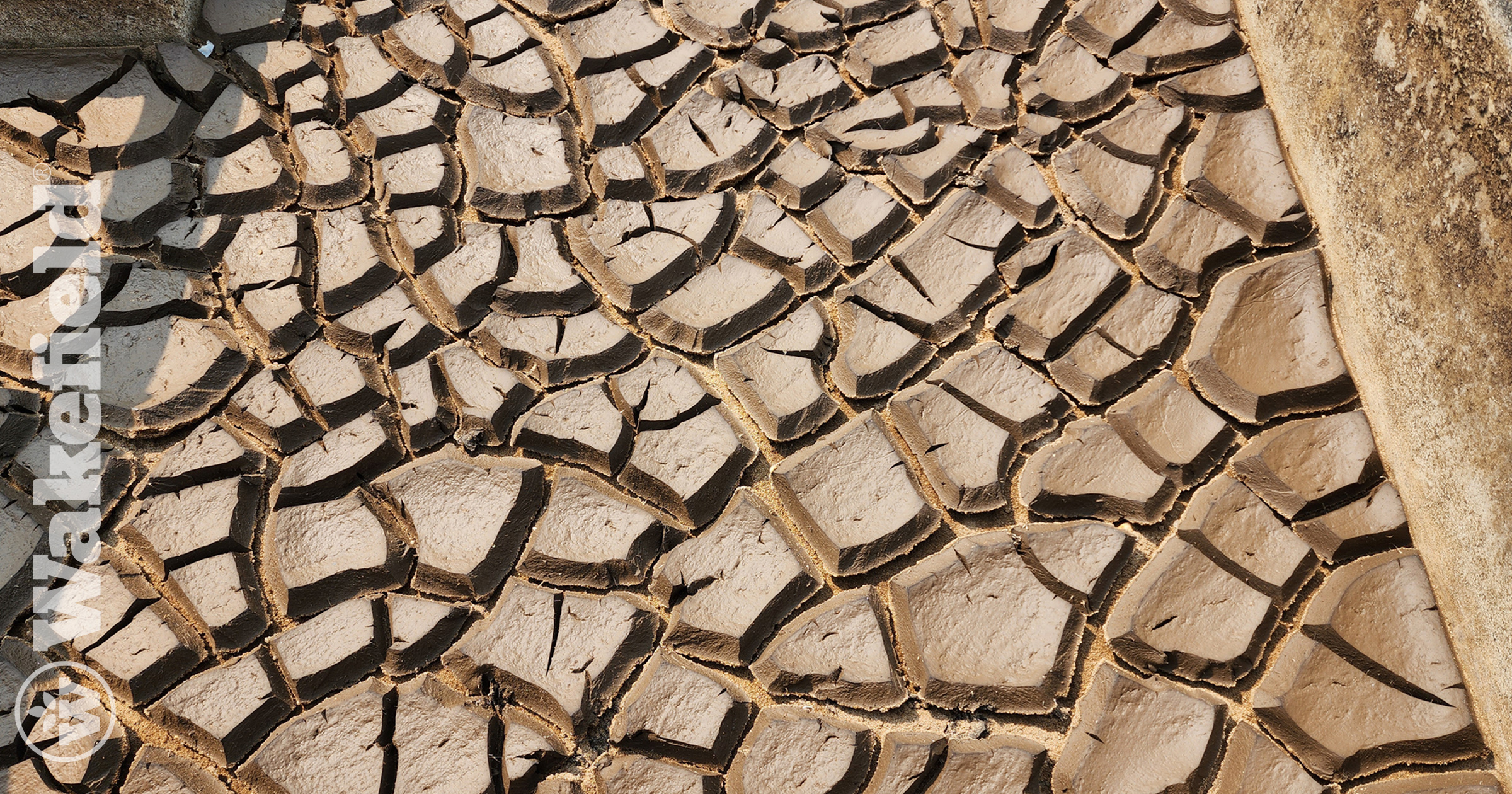
Problems begin when fine silt particles press tightly together. Compacted soil has fewer open spaces, so water may pool at the surface and roots may receive less air. Bare silty soil is also easy for wind or flowing water to carry away. Protecting its structure helps preserve its natural fertility.
How Biochar Supports Silty Soil
Biochar has a porous form that adds lasting spaces within soil. In silty soil, those spaces support airflow and water movement around plant roots. This helps the ground stay open and workable while reducing the dense conditions that can limit root growth.
The large internal surface of biochar also holds water and nutrients in the root zone. Plants can draw on these resources over time instead of losing them through runoff or uneven drainage. Biochar surfaces provide habitat for microorganisms that help cycle nutrients and support healthy soil function.
Unlike fresh organic matter, biochar breaks down very slowly. Its structure continues working in the soil for many years, helping silty ground remain resilient through wet and dry periods.
Building Balanced, Productive Soil
Biochar and compost complement each other in silty soil. Compost supplies organic matter and nutrients, while biochar helps retain them and supports lasting pore space. Together, they improve the soil environment without taking away the moisture and nutrient retention that make silt valuable.
Healthy silty soil combines fertility with stable structure. Biochar strengthens that structure, supports soil life, and helps water and nutrients remain available to roots. Learn more about how biochar supports soil and explore Wakefield’s soil-conditioning solutions for gardens, farms, and landscapes.