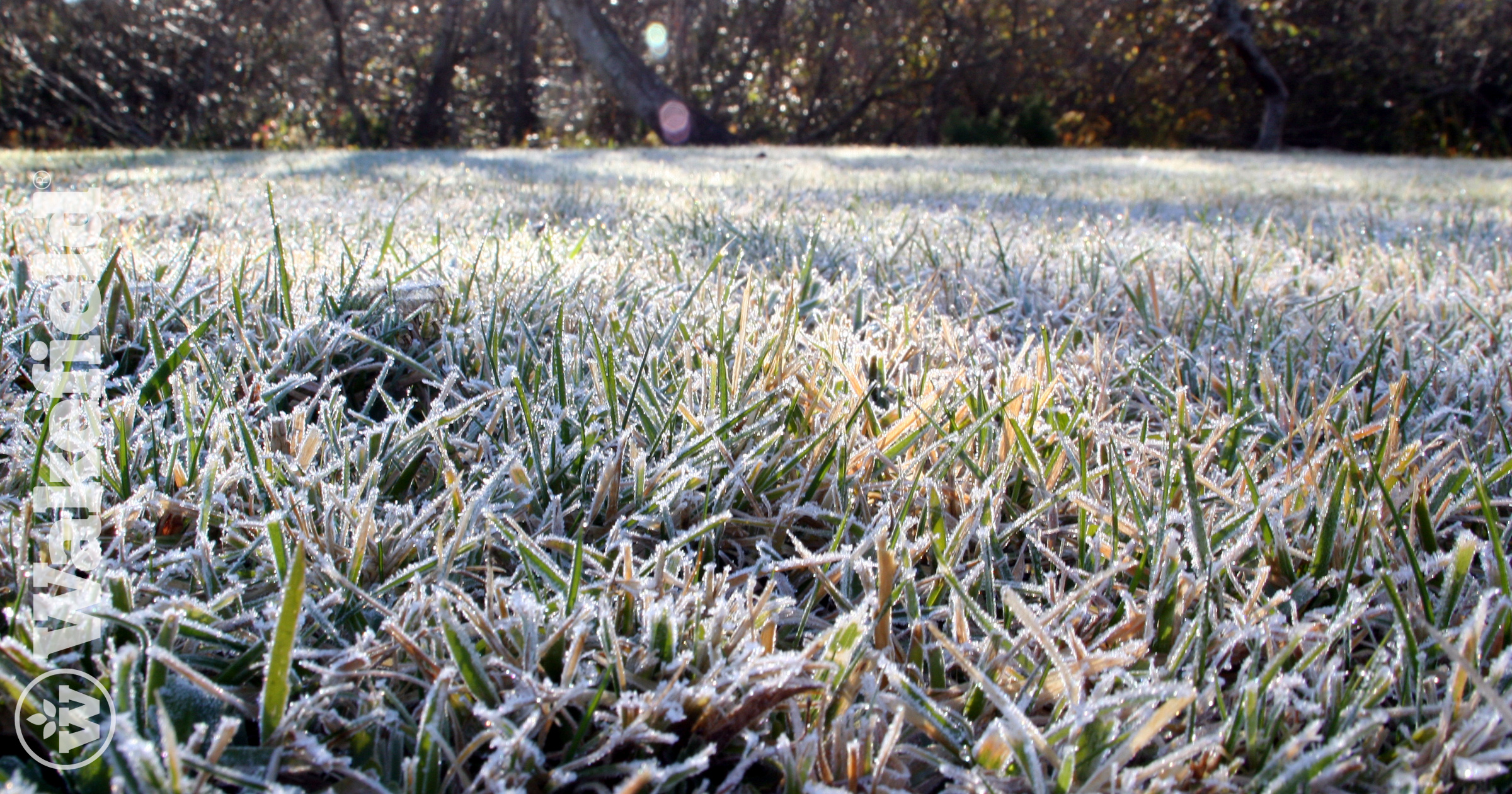
Road salt helps keep sidewalks, driveways, and streets safer in winter. As snow and ice melt, that salt can wash into nearby lawns, planting beds, and tree wells. Salt in the root zone makes it harder for plants to take up water. Grass may turn brown, leaves may develop scorched edges, and new spring growth may be thin or slow.
Biochar helps strengthen this stressed soil environment. Its porous structure supports water retention, airflow, nutrient retention, and soil life. When mixed with compost and worked into the upper root zone, biochar can help landscapes recover and become more resilient through future seasons.
How Biochar Supports Salt-Stressed Soil
Salt draws water away from plant roots and changes how moisture moves through soil. Biochar adds a network of pores that can hold water and create more space for air. Those same surfaces help keep nutrients in the root zone as grass and landscape plants begin growing again.
Research has also shown that biochar can reduce salt-related stress and improve plant water availability. In one University of Toronto greenhouse study, plants grown with biochar performed better under road-salt exposure than plants grown without it. More recent research has connected this response to the way biochar manages water and salt within its pore structure. Biochar does not remove the need for careful de-icer use, but it gives the soil a stronger foundation for recovery.
Find the Areas Exposed to Salt
Inspect the edges of driveways, sidewalks, roads, parking areas, and snow piles. Look for white crust on the soil, brown grass, bare patches, weak spring growth, or damaged plants. Mark the full runoff area so the treatment covers more than the most visible spot.
Clear the Surface
Remove leftover de-icer, gravel, dead grass, and other debris after the ground has thawed. If salt residue is visible, water the area deeply so fresh water can move through the upper soil. Allow the ground to drain before adding amendments.
Open the Root Zone
Core aerate compacted lawn areas or loosen the upper soil in open planting beds. Creating small openings helps water, air, biochar, and compost reach the roots instead of remaining on the surface. Work carefully around shallow tree and shrub roots.
Apply Biochar With Compost
Blend biochar with finished compost, then spread the mixture evenly over the affected area using the application rate on the biochar package. Brush or rake the blend into aeration holes and the upper soil. Break up heavy piles so the surface receives an even layer.
Water and Support New Growth
Water the treated area thoroughly to settle the amendment into the root zone. Keep the soil evenly moist as grass and plants resume active growth. Reseed bare lawn patches or replace badly damaged plants after the soil has begun to recover.
When to Apply Biochar
Early spring is a natural time to treat salt-damaged areas because melting snow reveals runoff patterns and plants are preparing for new growth. Biochar can also be added in fall before winter weather arrives. Once it is mixed into the soil, its stable carbon structure remains there and continues supporting the root zone through changing seasons.
Fall applications can be paired with lawn aeration, compost topdressing, or normal bed maintenance. Spring applications work well after the ground thaws and excess salt has been rinsed from the surface. In either season, mixing biochar into the upper soil provides better contact with roots than leaving a thick layer on top.
Protecting the Landscape Next Winter
Good winter habits can reduce the amount of salt that reaches soil. Apply de-icer only where it is needed, remove loose granules after a storm, and direct snow piles away from valuable plants. Physical barriers or wider planting borders can also limit salty spray along roads and driveways.
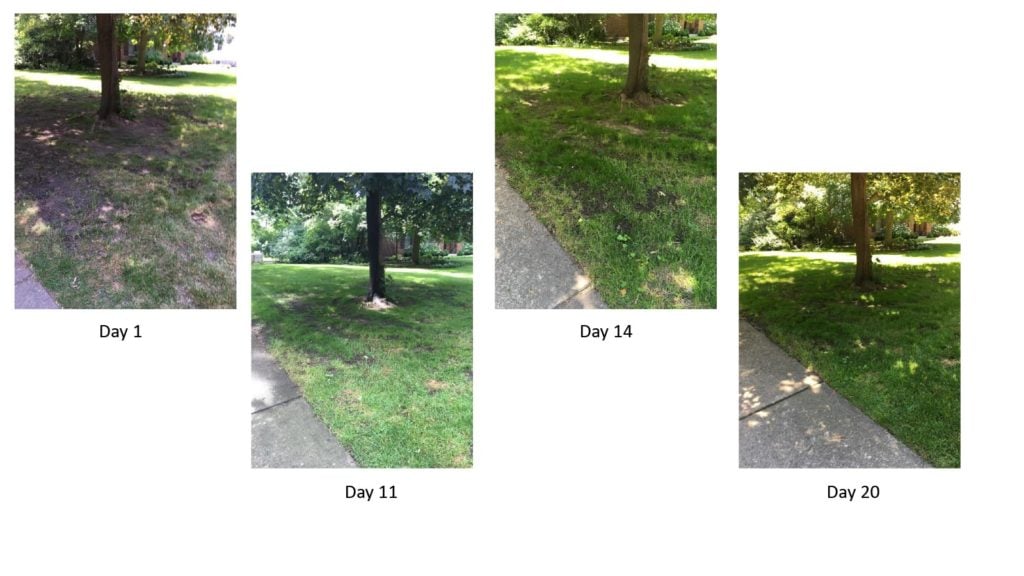
Biochar supports this prevention plan by building a root zone that manages water and nutrients more effectively. It also works well with compost, which supplies organic matter and nutrients for renewed growth. Together, these amendments help lawns and landscape plants recover from winter stress and prepare for the growing season ahead.
For more ways to strengthen turf through the growing season, read Using Biochar for Lawn Care. You can also explore how biochar supports water retention and plant water availability.