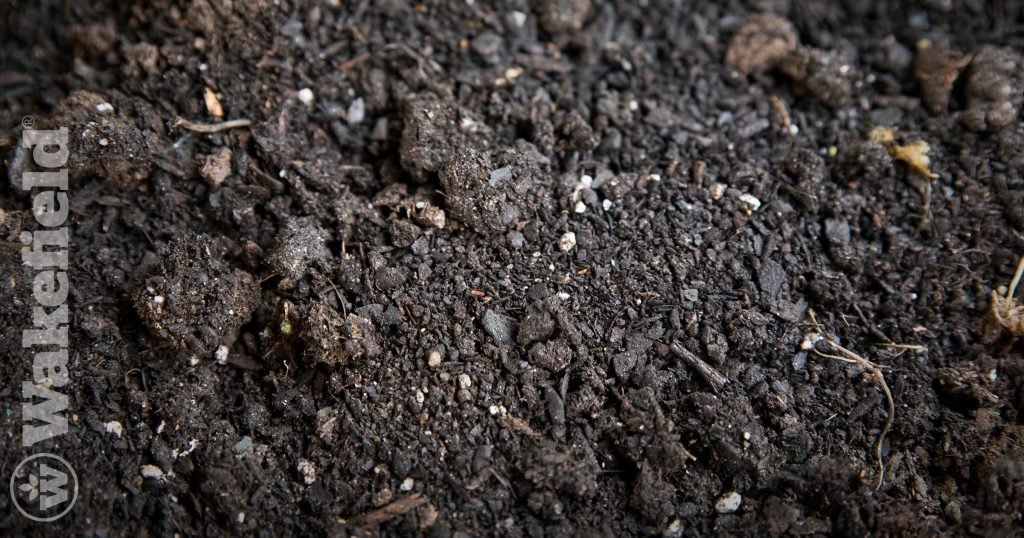
Terra preta is a rich, dark soil found in parts of the Amazon Basin. Its name means “black earth” in Portuguese, and it is also known as Amazonian dark earth. These soils stand out because they contain more stable carbon, organic matter, and plant nutrients than many nearby soils.
Terra preta was created by Indigenous communities long before modern soil science. Over generations, people added charred plant material, ash, food remains, bones, pottery fragments, and other household materials to the ground. The result was a fertile soil that continues to shape how researchers think about carbon, soil health, and biochar today.
How Was Terra Preta Created?
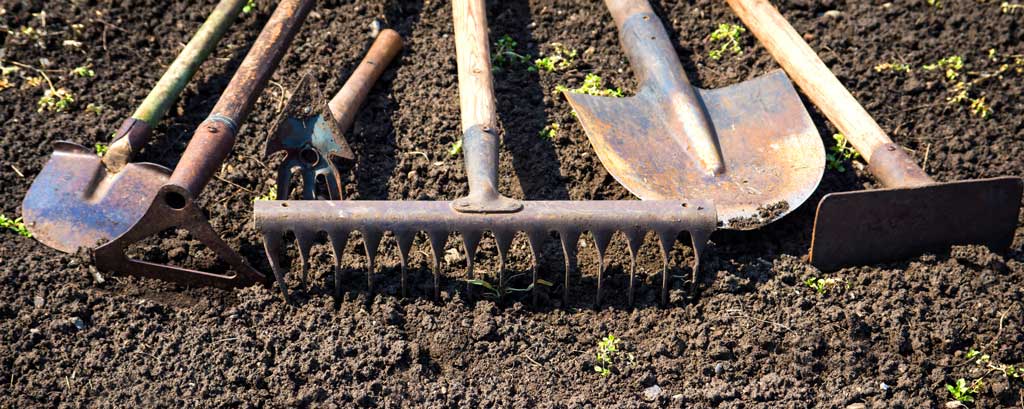
Terra preta formed around Indigenous settlements over hundreds or thousands of years. Rather than being a naturally occurring soil type, it reflects long-term human care and reuse of local materials. Char from cooking fires and low-oxygen burning became mixed with organic waste and the surrounding soil.
The char did more than darken the ground. Its porous structure created durable spaces that could hold water and nutrients. Organic matter supplied nutrients and fed soil life, while mineral-rich materials added phosphorus, calcium, potassium, and other elements. Together, these inputs built a living soil system that remained productive across generations.
What Makes Terra Preta Different?
Many tropical soils lose nutrients quickly under heavy rain and warm conditions. Terra preta holds more carbon and nutrients in the root zone. It also supports strong biological activity and a soil structure that helps manage both water and air.
Its long life is especially important. Fresh organic matter breaks down as soil organisms use it, but much of the char-derived carbon in terra preta is stable. That carbon remains in the soil and provides a lasting framework for moisture, nutrients, roots, and microorganisms.
Terra preta is not simply charcoal mixed with dirt. It is the product of stable carbon, organic matter, minerals, soil organisms, and careful human management working together over time.
How Terra Preta Inspired Modern Biochar
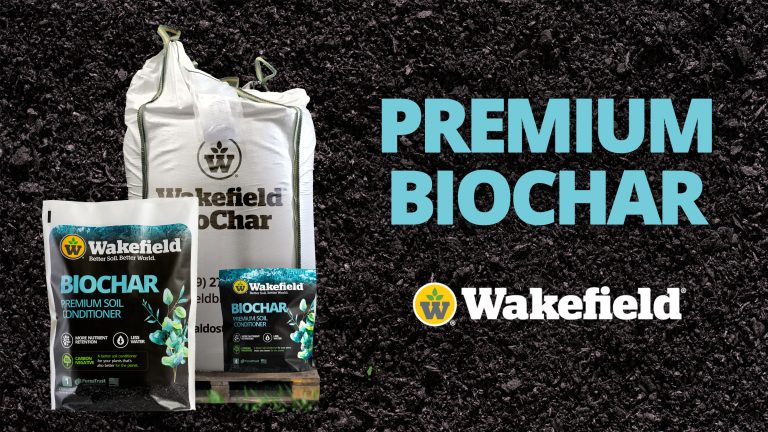
Modern interest in terra preta helped inspire the development of biochar as a soil amendment. Biochar is made by heating biomass with limited oxygen through a process called pyrolysis. Wakefield BioChar uses wood waste to create a stable, porous carbon material designed for beneficial use.
When added to soil, biochar helps retain water and nutrients, creates habitat for beneficial microorganisms, and adds durable pore space around roots. It also stores carbon in a stable form instead of allowing all of the carbon in the original biomass to return quickly to the atmosphere.
Biochar is not a manufactured copy of terra preta. Terra preta is a complex cultural and ecological legacy created through generations of Indigenous knowledge. Modern biochar draws from one of its most useful lessons: stable carbon works especially well when it becomes part of a broader soil system rich in nutrients and biological activity.
A Lasting Model for Healthier Soil
Terra preta shows that people can build fertile soil while storing carbon for centuries. Its history connects traditional land management with today’s efforts to improve soil, make productive use of biomass, and return stable carbon to the land.
Learn more about biochar and organic growing or explore how biochar supports carbon sequestration.