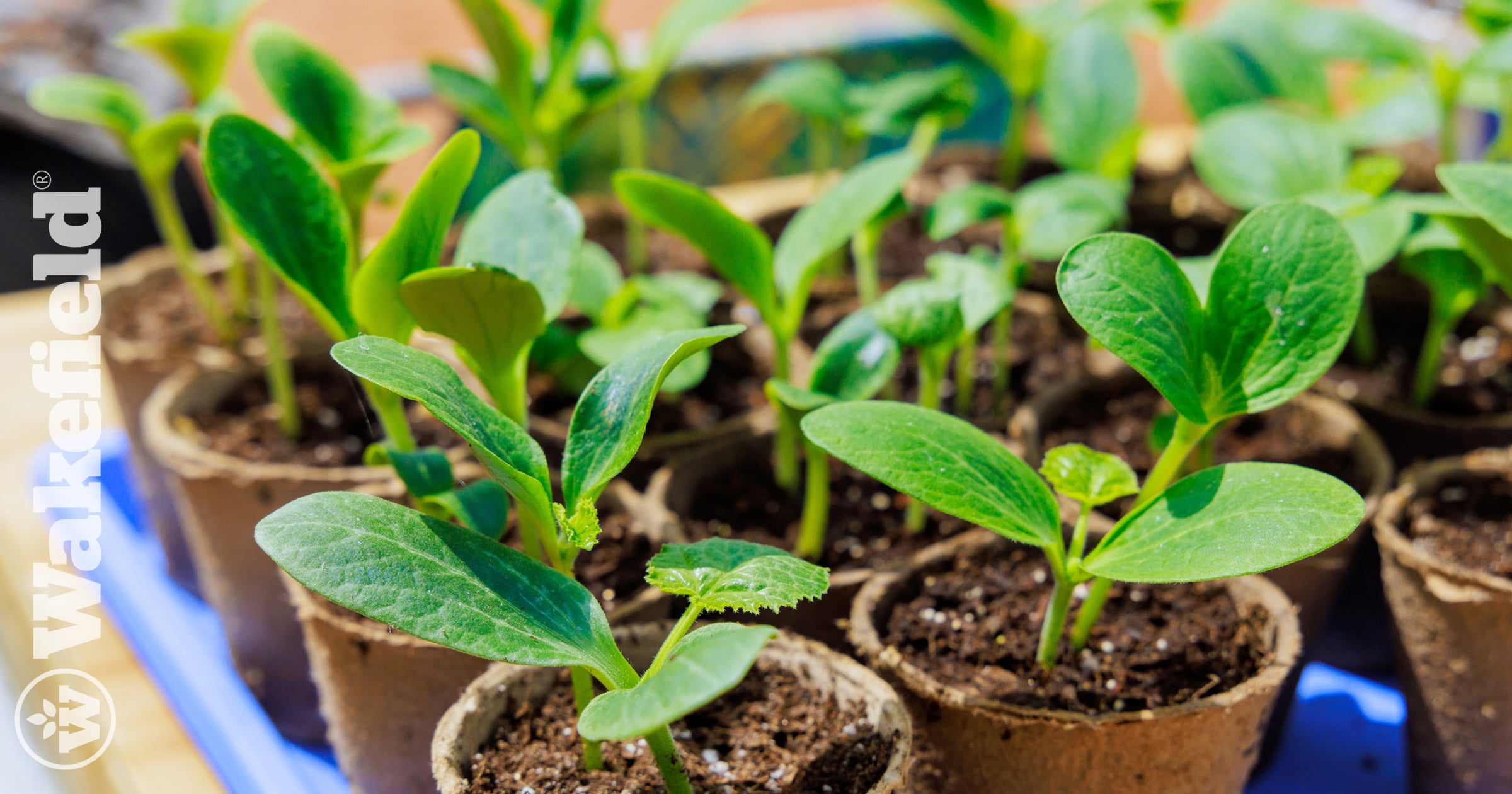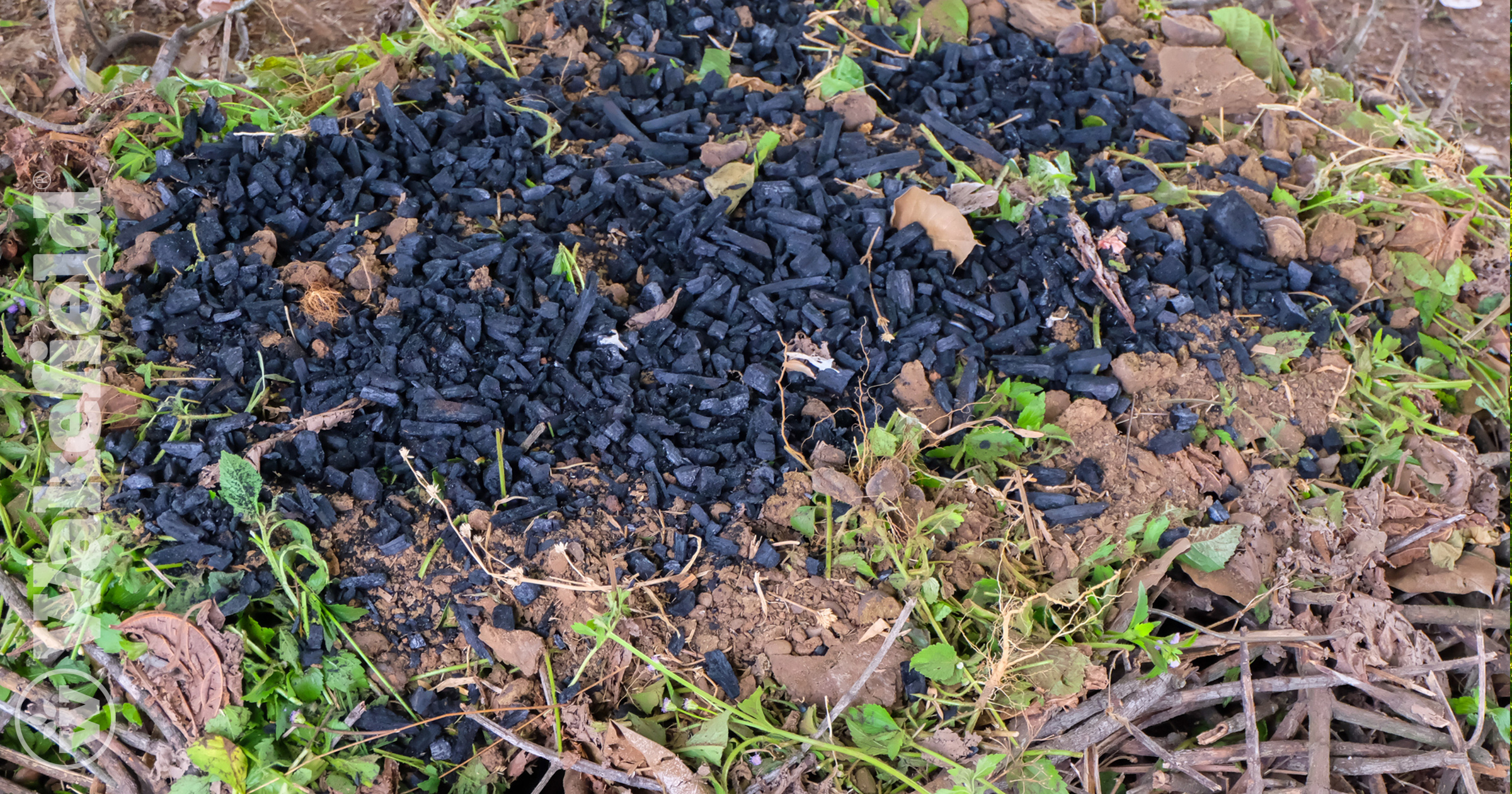

Biochar helps soil capture and hold water through its many tiny pores, which act much like a sponge. These pores absorb water when it rains or when soil is watered, allowing some of that moisture to remain near plant roots instead of draining away too quickly. By keeping water available in the root zone, biochar can make moisture easier for plants to reach between rainfalls or watering. This can help soil stay moist for longer and benefit gardens, farms, lawns, and other planted areas that need to make good use of available water.
How Biochar Stores Water
Biochar is made by heating wood with very little oxygen, a process that leaves behind a stable form of carbon with a network of pores throughout its structure. Some of these pores are large enough to see, while many are far too small to see without special tools. Together, they give biochar a large surface area that allows water to enter and remain inside the material. As the surrounding soil begins to dry, some of this stored water can move back into the soil, where plant roots can access it.
Healthy soil needs both water and air, so good soil structure must be able to hold moisture without becoming waterlogged. Biochar can help create spaces that retain water while allowing excess moisture to drain away, while the open structure also gives air room to move through the soil. This balance creates a better environment for roots, allowing them to reach available water without sitting in soil that stays soaked. The improved airflow also supports the living organisms that are an important part of healthy soil.
How Water Retention Helps Plants
Plants need a steady supply of water to grow, but soil that dries out too quickly can put stress on roots and slow plant growth. By helping hold moisture in the root zone, biochar can reduce sharp changes between wet and dry conditions and give plants more consistent access to water.
Biochar can also help slow the loss of nutrients carried by water. Its porous surface can hold some nutrients near plant roots instead of allowing them to move deeper into the ground, helping plants make better use of both the water and nutrients available in the soil.
Biochar also works well with compost, with each providing different benefits to the soil. Compost adds food for soil life and plants, while biochar provides a long-lasting porous structure that can hold water and nutrients. Together, they can support soil that retains moisture, keeps nutrients available, and provides roots with room to grow.
What Water-Retention Research Shows
Research reviews show that biochar can increase the amount of water soil is able to store for plants, while other studies connect biochar with changes in pore space and lower soil density. These changes help explain how biochar can allow more water to remain in the root zone and stay available to plants for longer.
A long-term study by Wang and other researchers found water inside biochar pores during dry periods and showed that some of this stored water could move into the soil surrounding each biochar particle. As the soil dries, this stored moisture can provide roots with another source of water.
The amount of water biochar can hold depends on the type of biochar used and how much is added to the soil. Sandy soil often shows a larger change because it drains water quickly, but the same porous qualities that help biochar store water can support water storage and movement in many types of soil.
See How Biochar Absorbs Water
This Wakefield demonstration shows dry, wood-based biochar taking up water as it quickly moves into the open pores throughout the material. It provides a simple way to see how biochar can absorb and store moisture.
The same pore system continues to function after biochar is mixed into soil. Because biochar breaks down very slowly, it can remain part of the soil for many years, allowing its structure to continue supporting water storage, airflow, and root growth over time.
Biochar and Water-Wise Soil
Biochar helps soil make better use of the water it receives by allowing more moisture to remain near plant roots after rain or watering. This can be especially useful during hot weather and the dry periods between waterings, when plants may need to rely on the moisture already stored in the soil.
Water retention is only one part of biochar’s value. The same pores that hold water can also hold nutrients and provide spaces for helpful soil life, allowing these benefits to work together to support stronger soil and healthier growing conditions.
Biochar does not replace rain or regular watering; instead, it helps soil hold on to more of the water it already receives. By making better use of available moisture, biochar can be a useful part of long-term water management for gardens, farms, lawns, and landscapes.