No, biochar is not simply burned wood. Wakefield biochar begins with clean wood material, but controlled heat changes that wood into a stable form of carbon with a highly porous structure. That structure gives biochar its value in soil, compost, filtration, and environmental projects.
Ordinary burning is designed to release heat and consume fuel. Biochar production is designed to preserve carbon and create useful physical properties within the finished material.
Burning and Pyrolysis Are Different
When wood burns in an open fire, oxygen supports combustion. Much of the material becomes heat, gases, smoke, and ash. The remaining char reflects an uncontrolled process and is not automatically suitable for soil.
Biochar is made through pyrolysis. In this process, biomass is heated in an oxygen-limited system. Heat removes water and volatile compounds while preserving much of the plant-based carbon. Production conditions are controlled to create a consistent material for a defined end use. Read more about what biochar is.
Biochar, Charcoal, and Ash Have Different Purposes
Biochar is produced for beneficial use in soil or another environmental system. Cooking charcoal and fuel briquettes are made to burn. They may contain binders, ignition aids, or other ingredients chosen for fuel performance rather than plant growth. Fireplace ash is the mineral material left after more complete combustion and behaves differently from carbon-rich biochar.
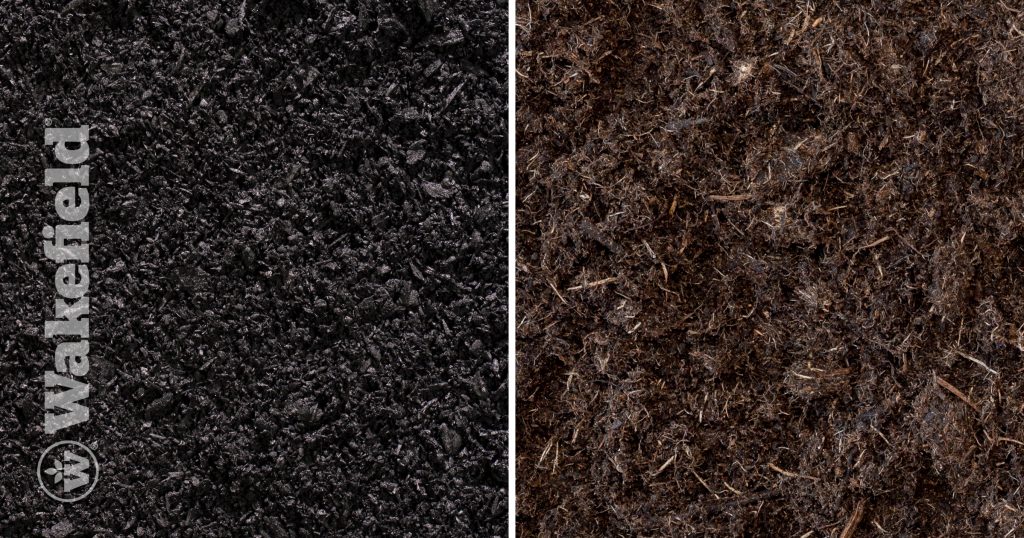
These materials may look similar, but appearance does not make them interchangeable. Product purpose, feedstock, processing, and quality information determine how each material should be used. The related Article Can I Use Regular Charcoal as Biochar? explains why cooking charcoal should stay out of garden soil.
Why Biochar Is So Porous
Wood already contains channels that moved water and nutrients through the living tree. Pyrolysis preserves and reshapes much of this internal structure. The result is a network of pores ranging from visible openings to spaces too small to see without specialized equipment.
In soil, those pores help retain moisture and nutrients near roots. Spaces between biochar and soil particles also improve airflow and water movement. Biochar surfaces provide habitat for microorganisms that break down organic matter and cycle nutrients. These physical benefits continue as the material becomes integrated into the soil.
Stable Carbon with a Useful Purpose
Plants remove CO₂ from the atmosphere and store carbon as they grow. When plant material decays or burns, much of that carbon returns to the atmosphere. Pyrolysis converts part of it into a more durable form. Adding biochar to soil gives that stable carbon a useful role while keeping it out of the short-term carbon cycle.
This connects carbon sequestration with better soil management. It also turns wood residue into a valuable material instead of treating it only as waste. That combination is central to the relationship between biochar and sustainability.
What Biochar Can Do
Biochar is best known as a soil conditioner. In gardens, lawns, landscapes, and farms, it can support soil structure, water retention, drainage, aeration, nutrient management, and microbial habitat. Because its carbon structure breaks down slowly, these benefits remain through many growing seasons.
The same porous qualities also make biochar useful beyond plant growth. Different biochar materials are used in composting, odor management, water and air filtration, stormwater systems, and contaminated-land projects. Each application uses the material’s surface area and pore structure in a different way.
Biochar may begin as wood, but controlled production gives it a new structure and purpose. It is engineered carbon made to store resources, support living systems, and put plant-based material back to work.