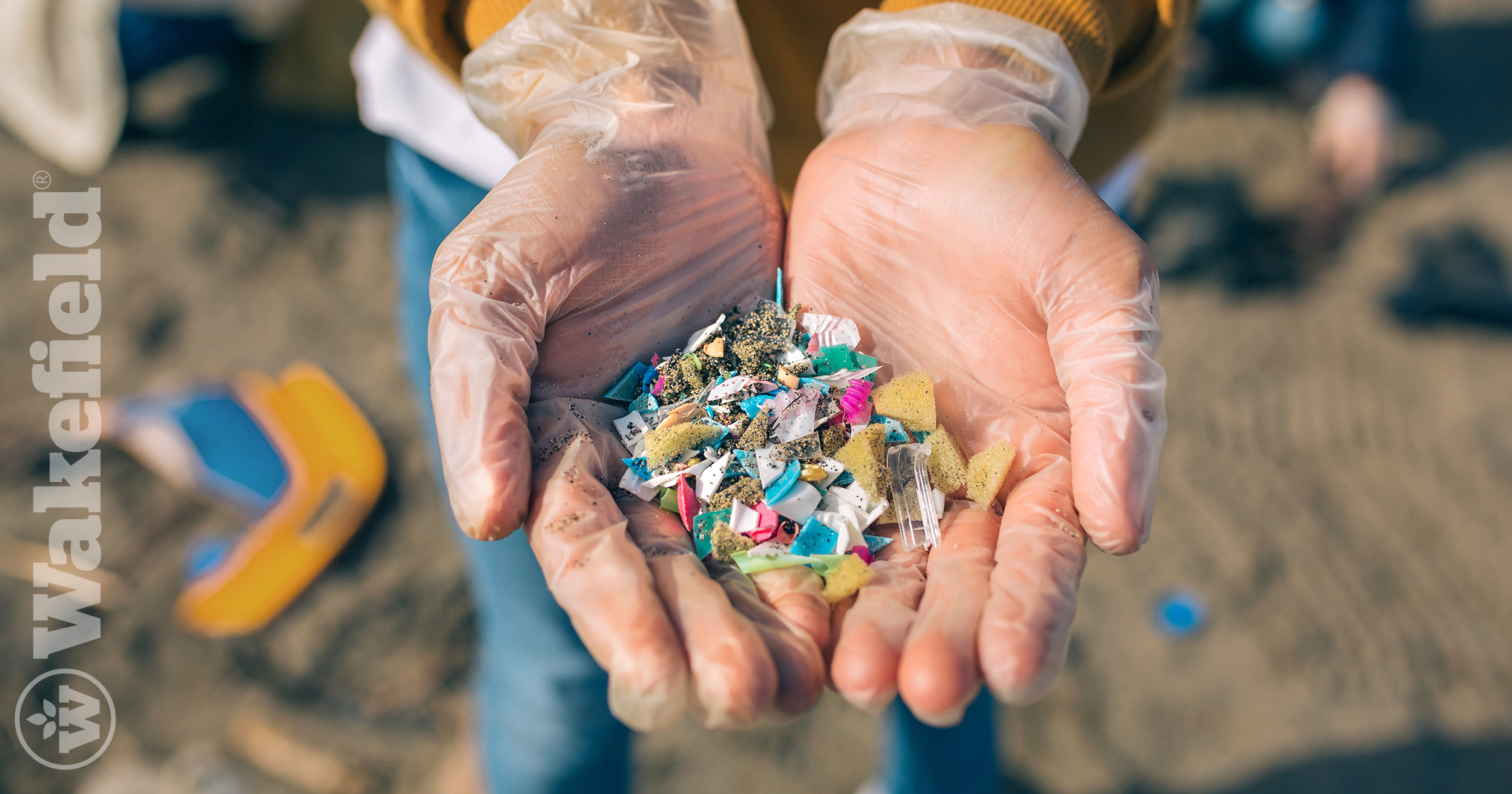
Microplastics are small plastic particles that can build up in agricultural soil. They come from sources such as degraded plastic mulch, irrigation water, compost, coated fertilizers, tire wear, and airborne dust. Once in the ground, these particles can interact with roots, water, nutrients, and soil organisms.
Research is now exploring how biochar can help soil and plants respond to this stress. Biochar does not remove the plastic itself. Instead, it improves the living and physical environment around roots, helping the soil system continue to function when microplastics are present.
How Microplastics Affect Soil and Roots
Plant roots depend on open pore space, available nutrients, moisture, and active microbial communities. Microplastic particles can change soil structure and interfere with these relationships. They can also place direct stress on root cells, limiting root growth and the movement of water and nutrients through the plant.
The rhizosphere—the narrow area of soil surrounding a root—is especially important. Bacteria and fungi in this zone break down organic matter, cycle nutrients, and interact with plant roots. When microplastics change the abundance or activity of these organisms, the entire root-soil system can lose some of its natural support.
How Biochar Supports Contaminated Soil
Biochar is a porous, carbon-rich soil conditioner made by heating biomass with limited oxygen. Its pore network creates habitat for microorganisms and holds water, nutrients, and organic compounds near roots. These qualities help build a more stable environment for plants and soil life.
Biochar also adds durable structure to the root zone. Its surfaces can influence how pollutants and natural soil compounds move, while its pores provide protected sites for microbial activity. This combination supports nutrient cycling, root development, and the biological processes that help soil recover from stress.
These are the same broad qualities that make biochar useful in contaminated-soil management: a large surface area, stable carbon, nutrient retention, microbial habitat, and stronger root-zone conditions.
What the Peanut Study Found
A 2024 study examined peanut plants grown with polystyrene microplastics. Researchers compared untreated soil, microplastic-treated soil, and soil containing both microplastics and peanut-shell biochar. The experiment used 1.5% microplastics and 2% biochar and studied changes in peanut roots and the surrounding microbiome.
Microplastic exposure damaged root structure and disrupted nutrient transport, energy metabolism, and bacterial communities. Adding biochar helped the roots activate genes connected with antioxidant defenses, lignin formation, nitrogen transport, and energy use. These changes helped plants manage the stress created by the plastic particles.
Biochar also restored microbial richness and diversity in the rhizosphere. Communities involved in nitrogen cycling and organic-matter decomposition became more active, improving nutrient availability around the roots. Read the complete study, Biochar Relieves the Toxic Effects of Microplastics on the Root-Rhizosphere Soil System.
Biochar and More Resilient Soil
The peanut study shows how biochar’s general soil benefits can become valuable when plants face pollution stress. Stronger roots, active microorganisms, available nutrients, and stable pore space give the plant-soil system more tools to keep functioning.
Microplastic pollution is a growing soil-management challenge, and preventing additional plastic from entering agricultural land remains important. Where contamination already exists, biochar offers a way to support soil biology and plant development while broader cleanup and prevention efforts continue.