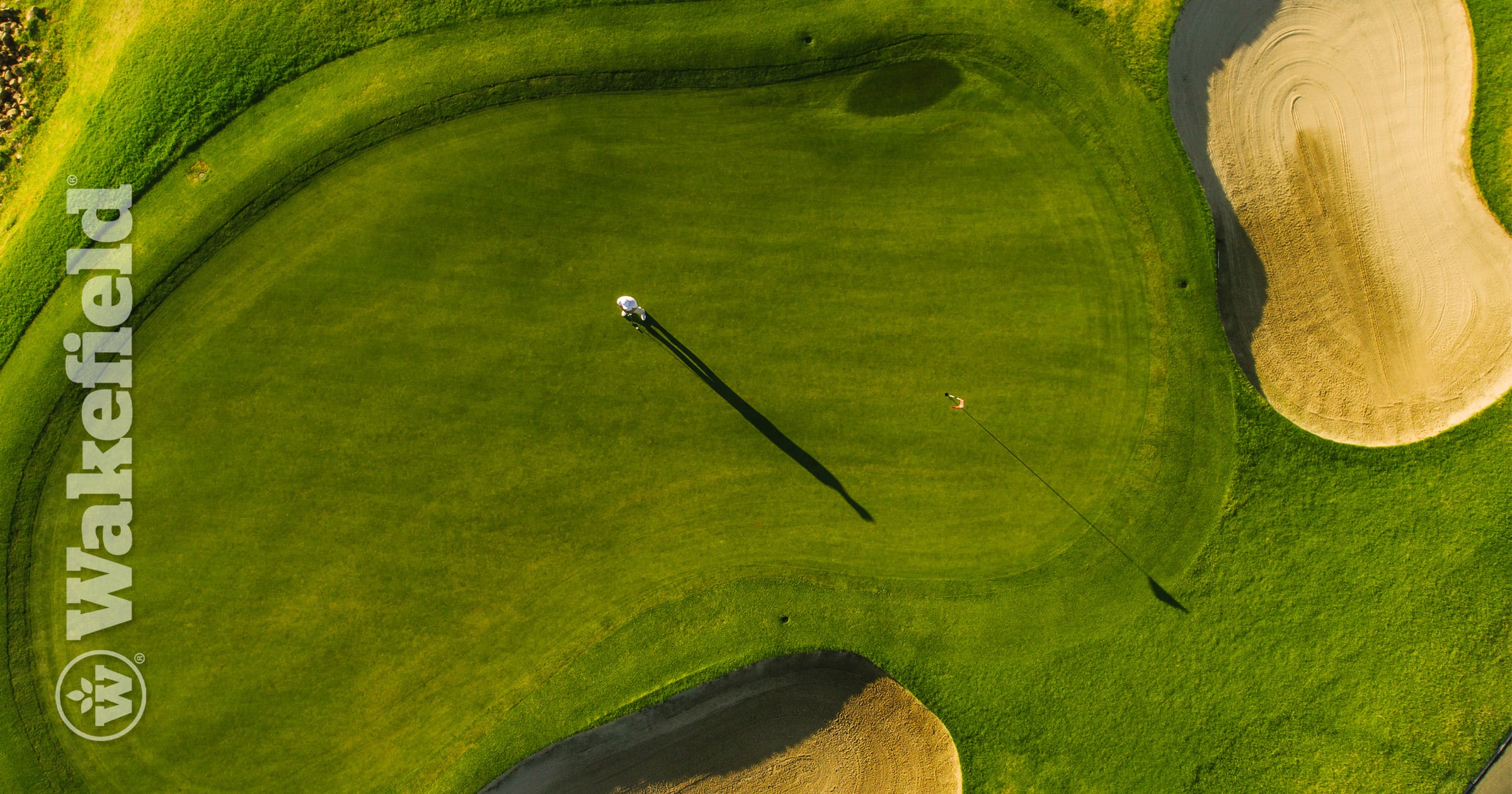
The Importance of Biochar in Turf Management
Golf course turf faces a difficult balancing act. Greens and fairways need to drain quickly, stay playable under heavy traffic, and maintain consistent turf performance through changing weather conditions. That’s why many golf courses rely on sand-based root zones.
Sand improves drainage and helps reduce compaction. Biochar complements these properties by helping the root zone retain moisture and nutrients for turf. Learn more about what biochar is. 1
What Is Biochar?
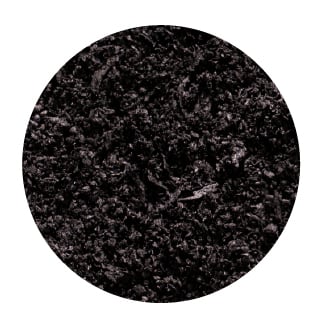
Biochar is a stable, porous carbon material produced from plant-based biomass. Its pore structure and surfaces help retain moisture and nutrients near roots, supporting more efficient use of irrigation and fertilizer.
Why Biochar Works Well in Sand-Based Greens
Sand-based greens are designed to move water quickly. That’s important for playability, but it can also lead to dry conditions and nutrient loss.
A well-designed biochar and sand blend can combine useful water storage with the drainage and aeration golf greens need. Matching the biochar and blend rate to the course’s root-zone mix helps achieve that balance. 1
Biochar can improve root-zone growing conditions and support healthy turf through dry periods. 2
Improved Moisture Retention
Biochar can help sandy root zones retain moisture between irrigation cycles, supporting healthy turf with less frequent watering. Its lasting pore structure gives turf managers another way to make irrigation work harder. 3
The benefit extends beyond storing water: biochar can help keep moisture available for roots as the soil dries. Read more about biochar, water retention, and irrigation. 2
Better Nutrient Efficiency
Biochar helps retain nutrients where roots can access them. Used alongside compost and fertilizer, it can support healthy turf with more efficient fertilizer use. 4 Retained nutrients can remain available for plant uptake, helping turf make better use of the fertility program. Learn how biochar supports nutrient availability.
Root Development and Turf Performance
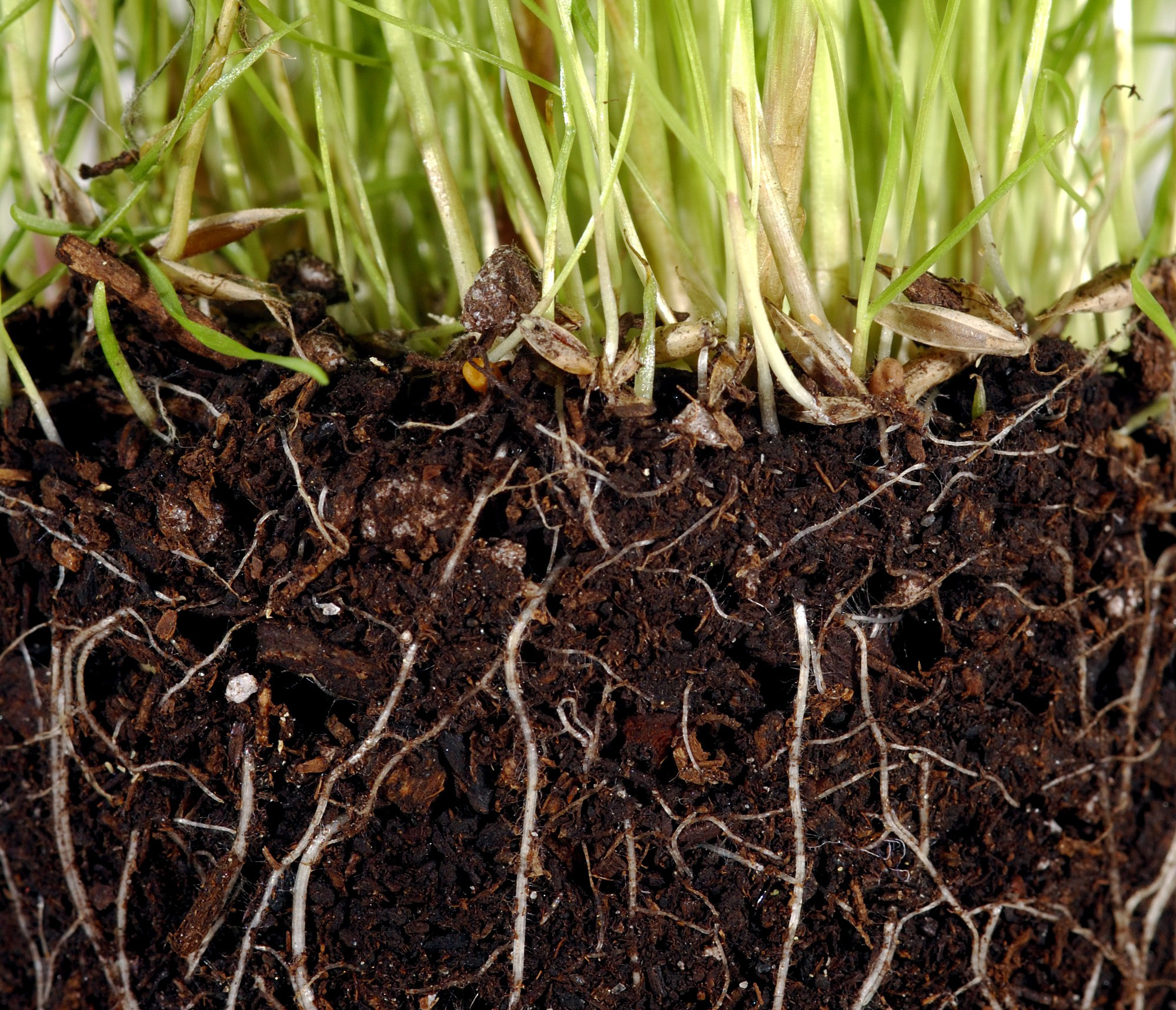
Healthy turf starts below the surface. By helping the soil manage moisture and nutrients, biochar can support favorable growing conditions around roots. A well-matched amendment blend supports the turf through establishment and ongoing maintenance. 5
Sustainability Benefits for Golf Courses
Biochar adds durable, plant-derived carbon to the soil, supporting long-term carbon storage alongside its turf benefits. Its stable structure continues interacting with water, nutrients, and soil organisms across many seasons. Learn more about biochar and carbon storage.
Research and Golf Course Trials
Research and course experience show how biochar can fit into turf management:
- UC Riverside greenhouse trials found that biochar-amended tall fescue maintained acceptable quality with less supplemental irrigation. 3
- USDA-ARS research found improved bentgrass growth in simulated golf greens using selected biochar-and-compost blends under reduced chemical fertilization. 4
- Broken Sound Club reported improved moisture retention and lower fertilizer and fungicide use within a broader program that included biochar, compost, and aeration. 6
Biochar for Course Management
Biochar can be a useful part of a course’s irrigation, fertility, and soil-care program. Incorporate it when building or renovating root zones, or work it into established turf during planned aeration. Explore biochar for landscaping and turf for product options and application guidance.
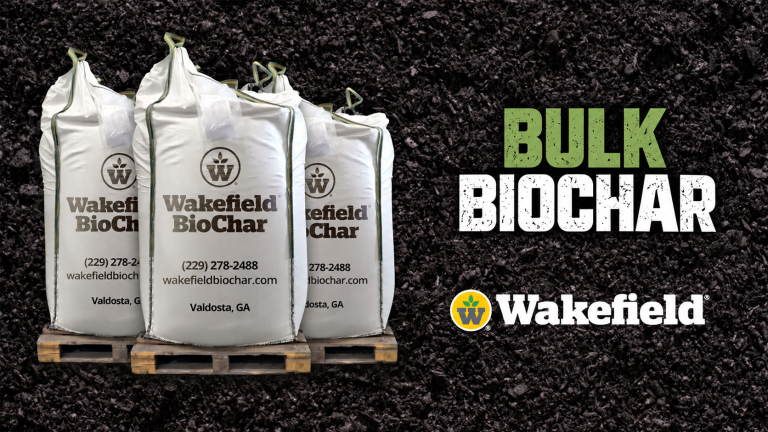
Wakefield Premium Biochar is produced in the USA from premium Southern Yellow Pine and engineered for consistency and performance in agricultural and turf applications. For product information, application guidance, or trial discussions, contact Wakefield BioChar.
Sources and notes
-
Sand-based turf root zones 2010. Water storage increased, while saturated conductivity declined as biochar proportions increased. USGA root-zone sampling and testing guidance describes evaluating candidate materials and finished blends. Drainage and playing-surface performance depend on the actual mixture View Source ↩
-
First-year turf response 2026. and second-year response. UCR tall fescue field trials with yellow-pine biochar found rate-dependent benefits under limited irrigation. Moderate biochar performed favorably in the second year; severe deficit irrigation still reduced turf quality. These are related trials from the same research program View Source ↩
-
Dissertation, Chapter 3 University of California, Riverside 2018. Greenhouse pots containing tall fescue and yellow-pine biochar received water when wilting appeared. Selected biochar rates maintained acceptable quality with less supplemental irrigation. This controlled experiment supports the opportunity for less frequent watering, not a fixed course-wide saving View Source ↩
-
Simulated golf greens 2018. Forty-day bentgrass trial under reduced chemical fertilization. Selected biochar/compost mixtures outperformed a peat-based comparison. Compost supplied nutrients as part of the treatment; the study does not isolate biochar’s contribution or establish a fertilizer-reduction percentage View Source ↩
-
Turf establishment 2024. Biochar alone generally produced establishment rates similar to untreated soil under adequate irrigation and fertilization. Root responses varied by amendment and setting. This study supports compatibility with establishment rather than a general claim of faster establishment or improved wear tolerance View Source ↩
-
Broken Sound Club report Historical superintendent account involving biochar alongside compost, microbial products, and aeration. Reported input reductions reflect the broader management program rather than a controlled test of biochar alone View Source ↩