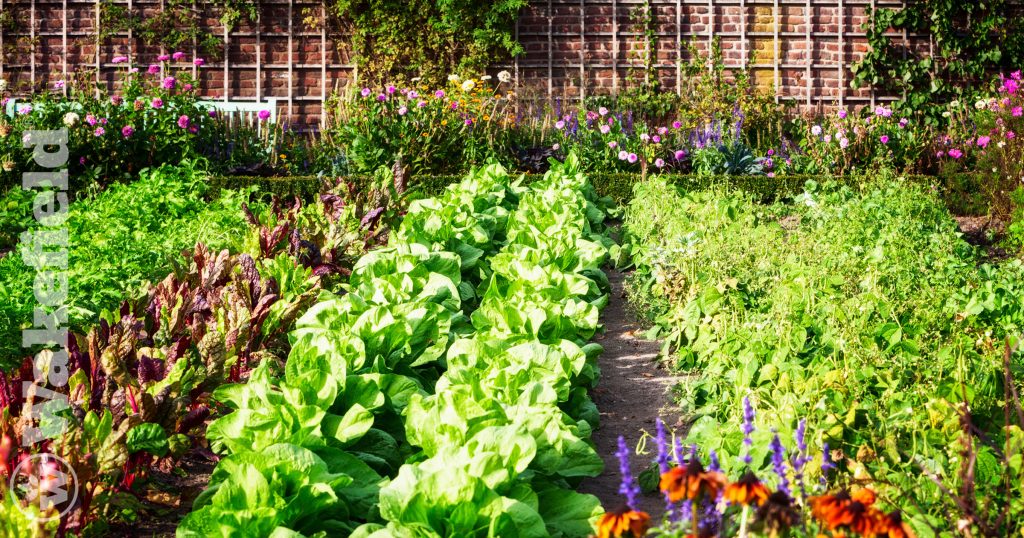
Build a moisture-holding root zone
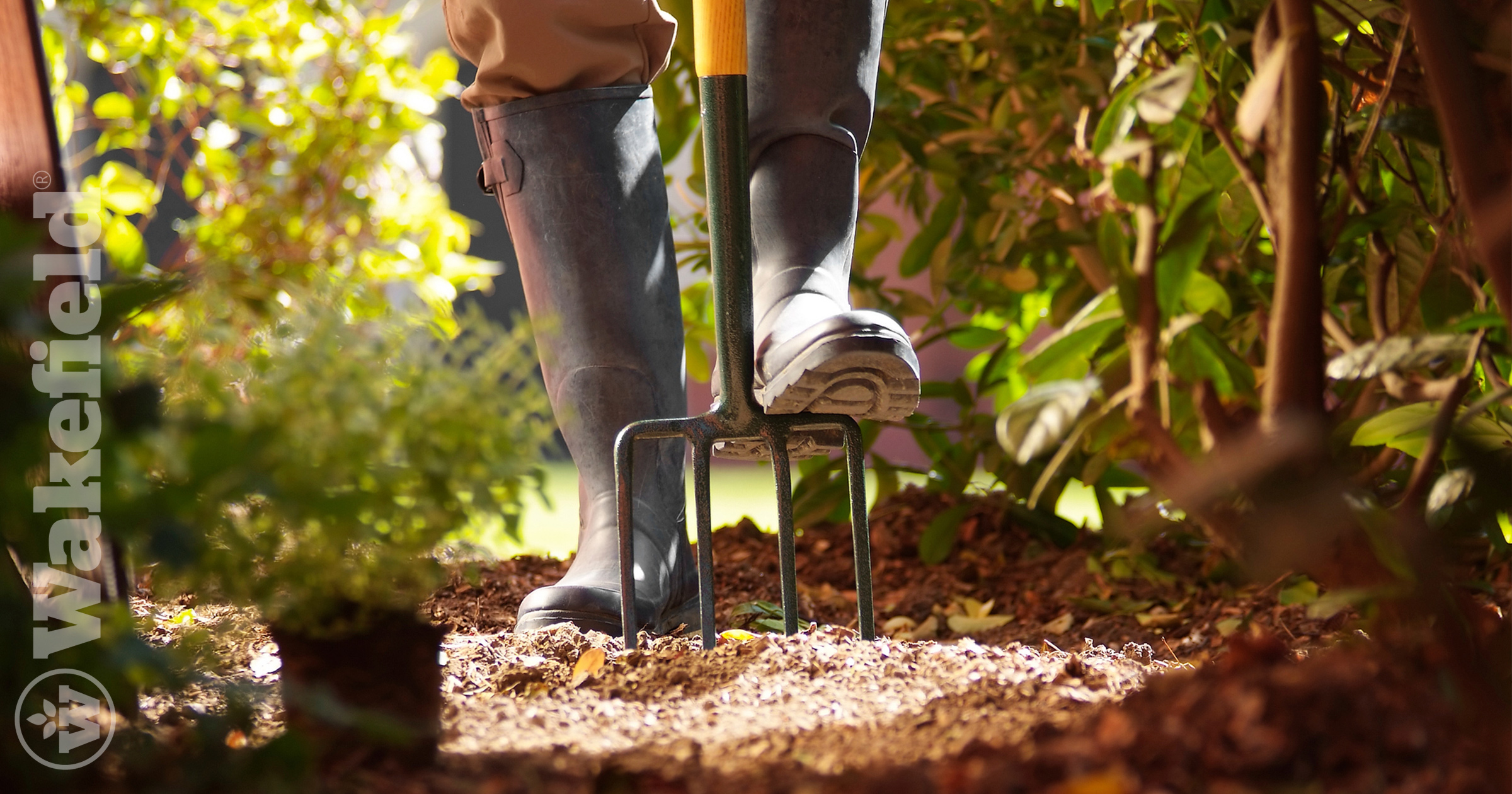
Mix wood-based biochar into the soil around the active root zone. Biochar’s porous structure holds water and nutrients near roots while supporting airflow and soil life.
Water deeply in the morning
Apply water slowly so it reaches below the surface and encourages deeper roots. Morning watering gives plants moisture before the hottest part of the day and limits water lost to evaporation.
Cover exposed soil with mulch
Place organic mulch such as straw, shredded leaves, compost, or wood chips around plants. Mulch shades the soil, slows evaporation, reduces weeds, and protects the surface from hard summer rain.
Protect plants from extreme heat
Use shade cloth or a simple temporary cover when intense afternoon sun threatens sensitive plants. Choose heat-tolerant vegetables, herbs, and flowers suited to the local growing season.
Prepare the garden before travel
Water deeply, renew the mulch layer, harvest ripe produce, and arrange a dependable watering plan before leaving. Biochar and mulch help the soil hold moisture longer, but growing plants still need regular care.
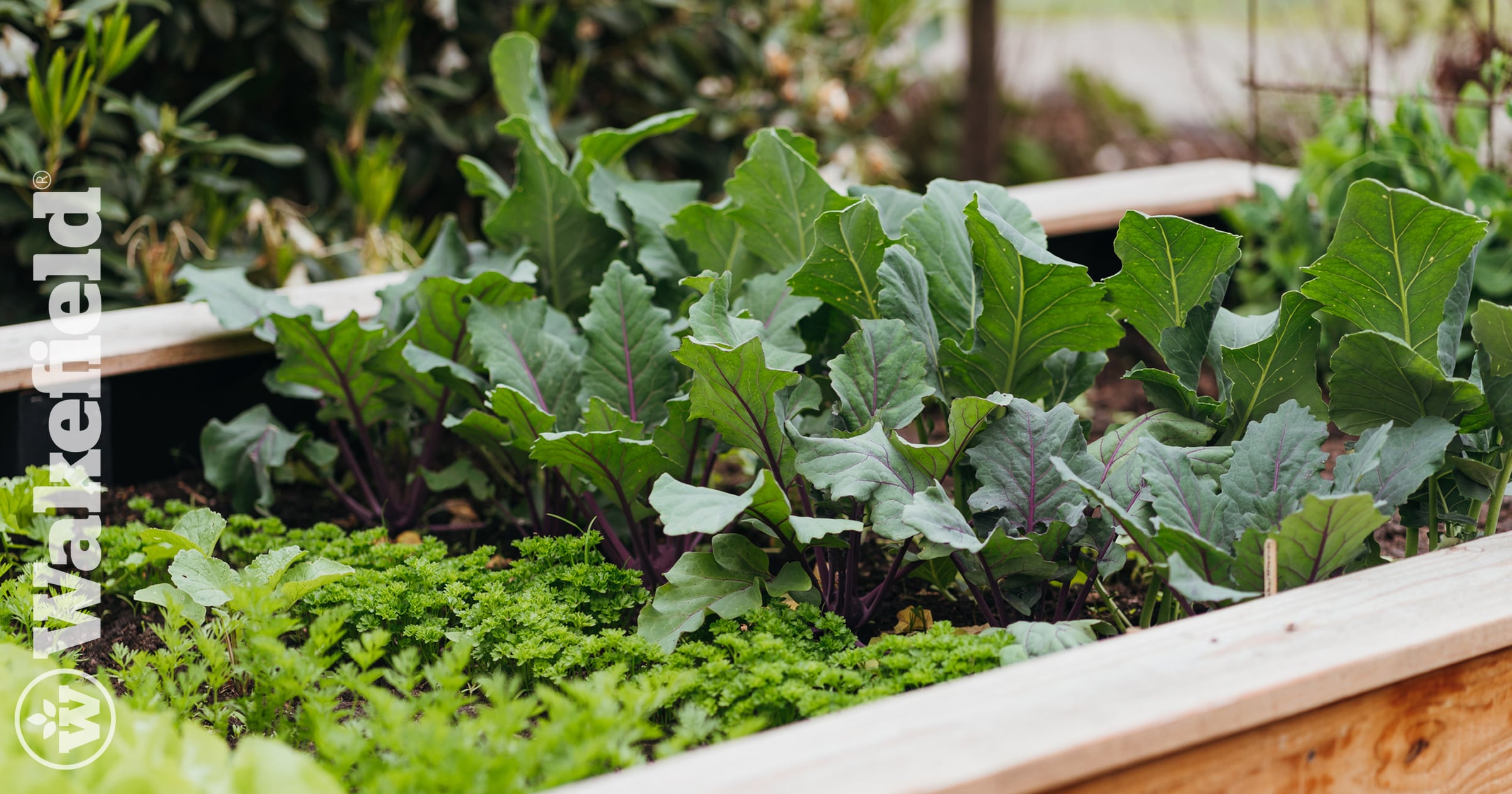
Summer brings long growing days, fresh produce, and colorful flowers. It also brings heat that can dry soil quickly and stress plant roots. Biochar helps gardens make better use of water by adding lasting, porous structure to the soil. Combined with deep watering, mulch, and simple heat protection, it can help raised beds and in-ground gardens remain productive through the hottest weeks.
Why Summer Soil Needs Extra Support
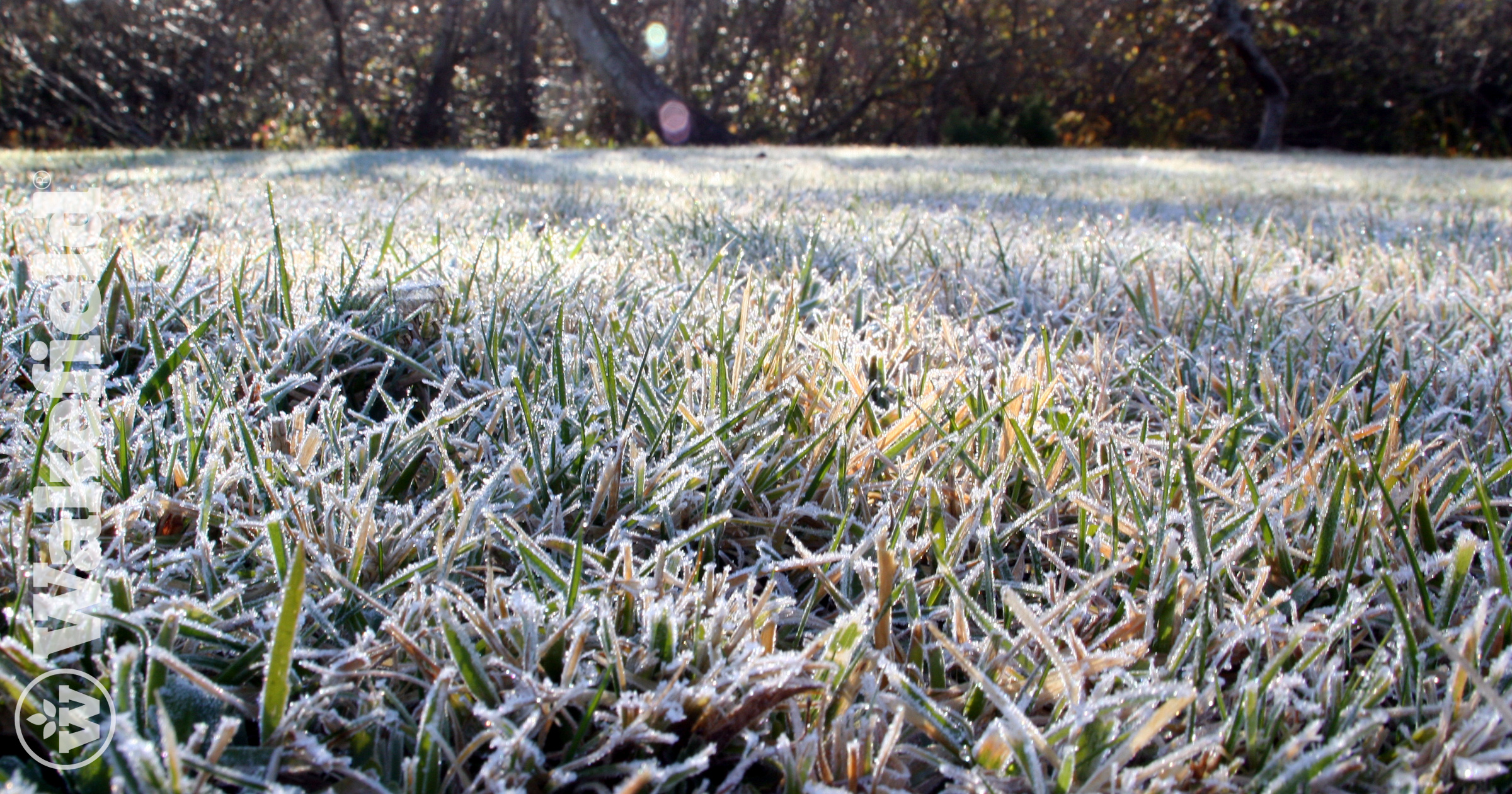
Hot sun and moving air pull moisture from exposed soil. Shallow watering may wet only the surface, where much of the water evaporates before roots can use it. As the ground dries, plants may wilt, drop flowers, or slow their growth. A healthy root zone holds moisture below the surface while still allowing air to reach roots.
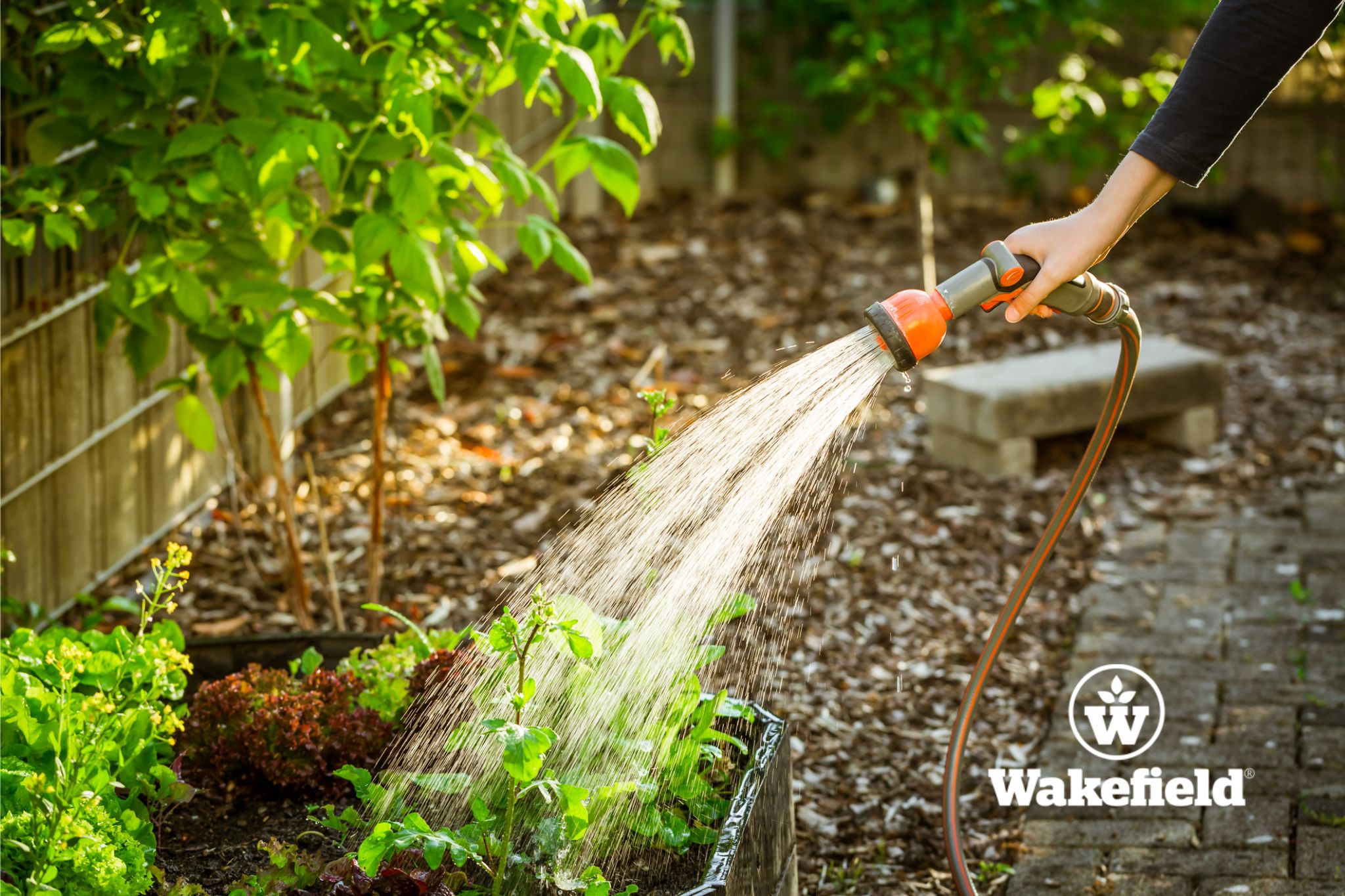
Deep morning watering gives moisture time to move through the root zone before the afternoon heat arrives. It also encourages roots to grow downward instead of remaining close to the dry surface. Watering the soil rather than the leaves keeps more water where plants need it and helps foliage dry quickly.
How Biochar Helps Manage Water
Wood-based biochar contains a network of pores that take in water as it moves through soil. That moisture remains within the root zone instead of draining away at once. Plants can draw on it between rain or watering, creating a steadier supply during dry summer weather. Learn more about biochar and soil water retention.
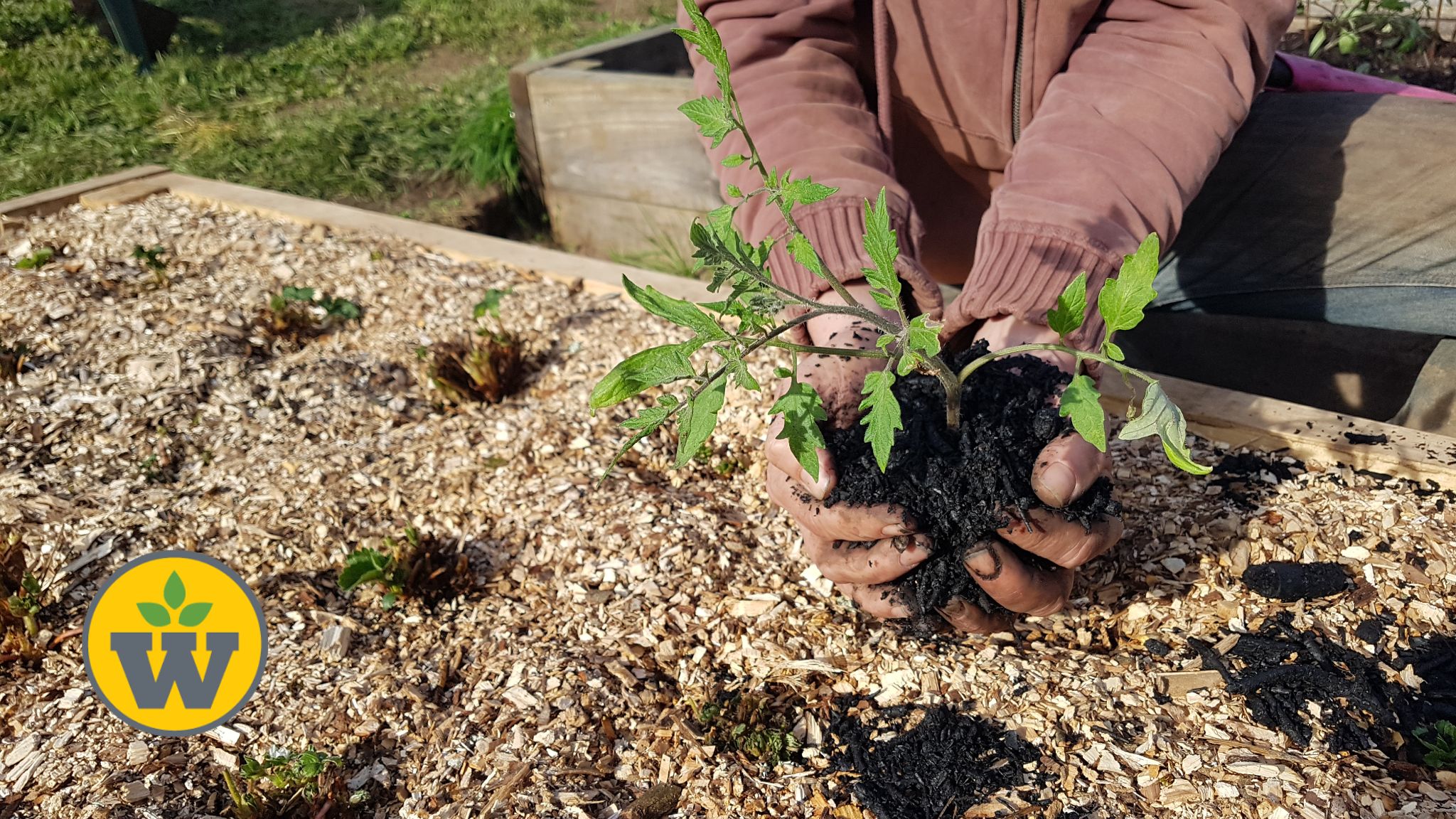
Biochar also improves soil structure by adding durable spaces for water, air, roots, and microorganisms. Its broad internal surface helps retain nutrients supplied by compost and fertilizer. These qualities support strong roots and help soil remain productive through repeated watering and drying.
Why Mulch and Compost Matter
Biochar works below the surface, while mulch protects the soil from above. A loose layer of organic mulch blocks direct sunlight, reduces evaporation, softens the impact of rain, and limits weed growth. Together, mulch and biochar help water remain available longer and reduce sharp changes in soil temperature.
Compost brings organic matter and nutrients into the same system. Biochar helps retain those resources and provides habitat for soil organisms involved in nutrient cycling. Gardeners can learn more in Wakefield’s guide to composting with biochar.
Keep the Garden Resilient All Summer
A summer garden does not need constant attention when its soil is prepared to manage heat and moisture. Biochar builds long-term water- and nutrient-holding capacity. Deep watering develops stronger roots, mulch protects the surface, and shade provides relief during extreme heat.
These practices work together to create a more resilient garden. Plants receive steadier access to water, roots remain cooler, and the soil continues supporting growth through hot days and time away from home.