Workplace sustainability is more than reducing electricity use or adding recycling bins. It asks an organization to consider how materials, land, water, people, and business decisions work together. Biochar can connect several of these priorities by turning wood waste into a useful, carbon-rich material for soil and environmental applications.
Where Biochar Fits in Workplace Sustainability

Biochar is made by heating biomass with very little oxygen. This process, called pyrolysis, converts clean wood material into a stable form of carbon. Instead of treating branches, bark, and manufacturing leftovers as waste, biochar production gives that material a new purpose.
The finished biochar can support workplace landscapes, farms, nurseries, greenhouses, land restoration, stormwater systems, and filtration projects. Its porous structure holds water and nutrients, creates habitat for soil organisms, and adds long-lasting structure to the root zone. These qualities help organizations care for land and water while making productive use of recycled material.
Environmental, Social, and Economic Value
Environmental sustainability begins with using fewer new resources and getting more value from existing ones. Biochar supports that goal by storing carbon from wood and extending the useful life of biomass. When used in soil, it helps manage water and retain plant nutrients. Its surfaces can also capture certain compounds in water or air filtration systems.
The economic value comes from creating a useful product from material that might otherwise require disposal. Biochar can support local manufacturing, transportation, agriculture, landscaping, and environmental services. Its long life also makes it different from short-term soil inputs that must be replaced often.
Social value grows when sustainability projects improve shared places and involve the people who use them. Healthier workplace landscapes, community gardens, green spaces, and educational programs make environmental goals visible. They also give employees and neighbors a direct connection to the organization’s work.
From Corporate Goals to Visible Projects
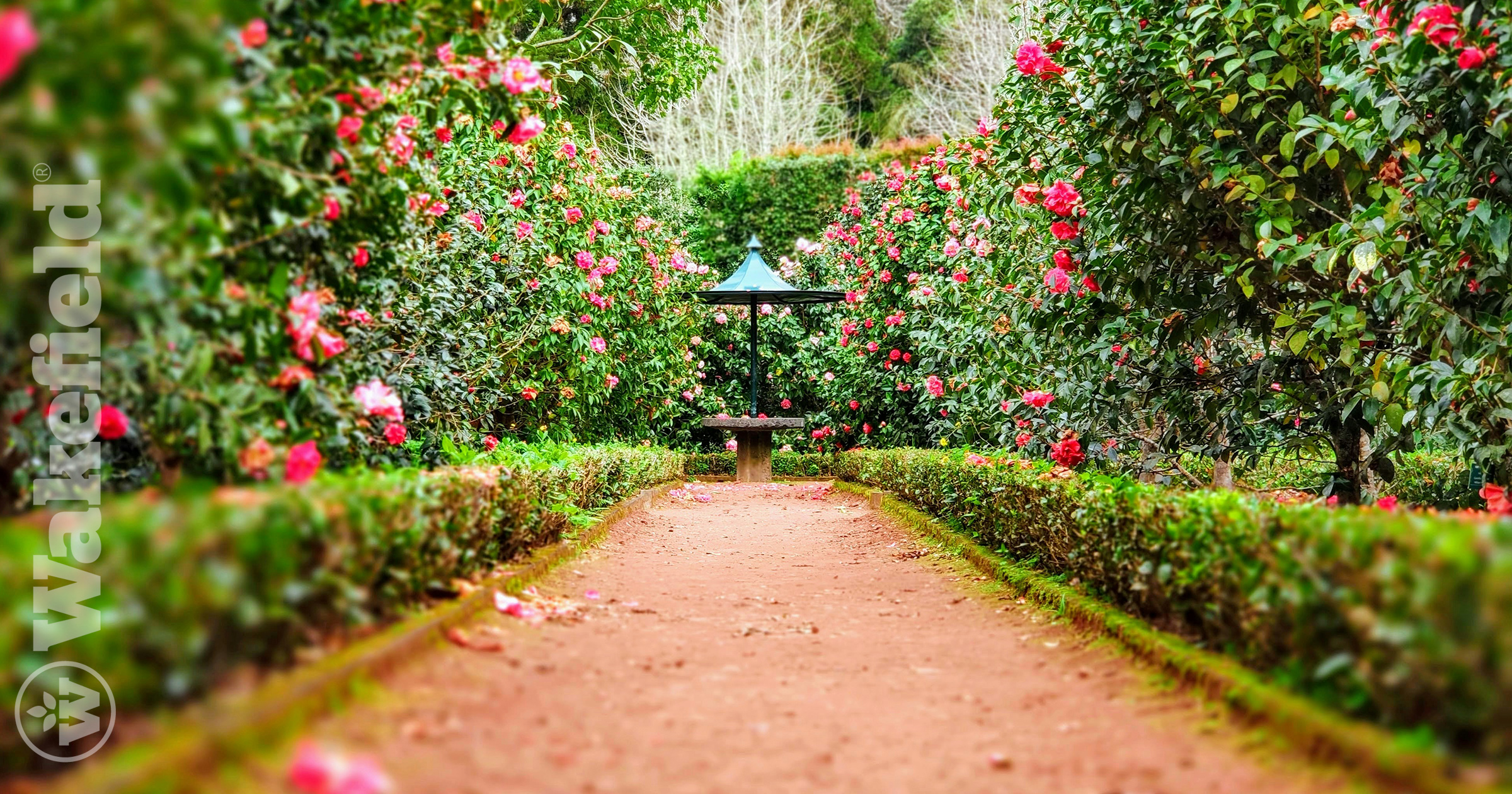
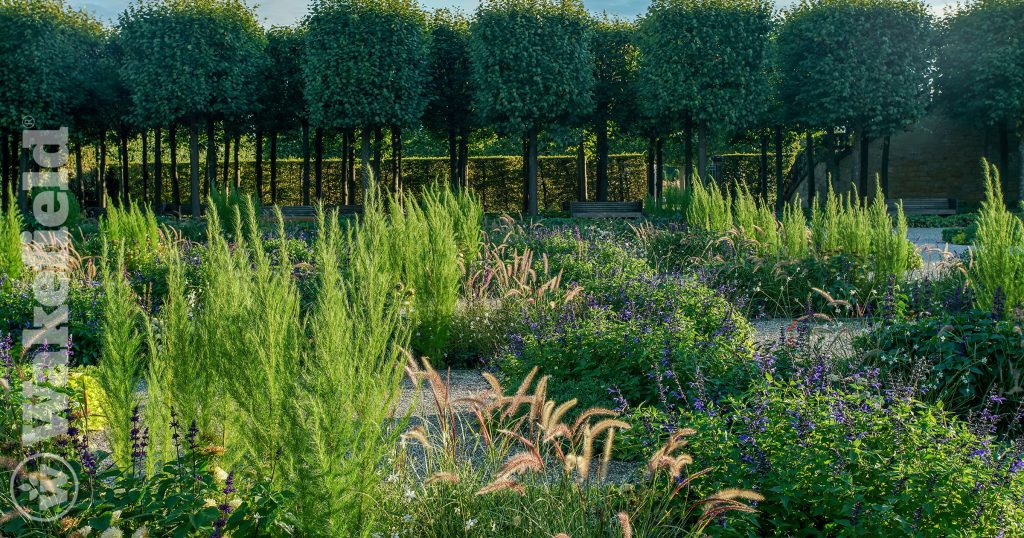
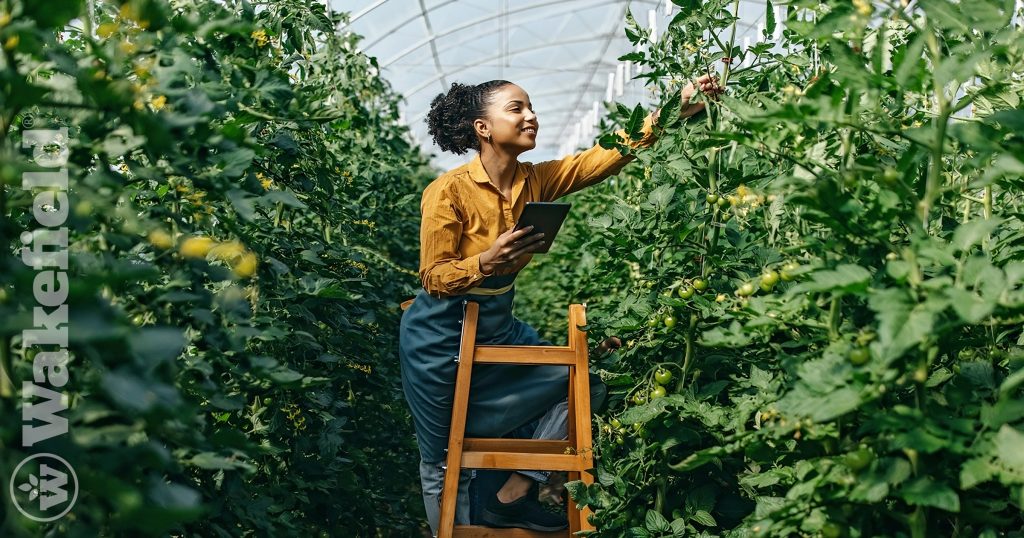
Biochar can support sustainability at many scales. An office may use a biochar soil blend in planters or outdoor landscaping. A school, hospital, or campus may use it in gardens and green infrastructure. A farm or food business may pair biochar with compost to improve soil and keep nutrients in the root zone.
Manufacturers and land managers can think more broadly about biomass, stormwater, filtration, and damaged land. These uses make sustainability part of operations rather than a separate campaign. They also show how one material can connect waste goals with land, water, and carbon programs.
Building a Credible Sustainability Culture
A strong program begins with clear goals and projects that fit the organization’s real work. Leaders can identify waste streams, land needs, water challenges, and purchasing decisions where biochar or other circular materials add value. Responsible sourcing and appropriate product selection keep those projects aligned with their purpose.
Employees are more likely to support sustainability when they understand why a project matters and can see its results. Honest communication is important. Organizations should describe what a project does without treating one material as a complete answer to every environmental challenge.
Biochar gives companies a practical link between carbon, soil, water, waste, and community. By turning recycled wood into a lasting resource, it helps workplace sustainability move from a broad promise to visible action. Learn more about what biochar is and Wakefield’s work in beneficial reuse.