A Practical Biochar-to-Soil Ratio
For gardens and landscapes, a useful starting point is biochar at about 10% of the soil volume in the active root zone. This amount adds enough porous material to support water retention, nutrient management, soil structure, and microbial habitat without replacing too much of the soil plants need.
Volume matters more than surface area alone. The right amount depends on both the size of the planting area and the depth being improved. A 100-square-foot bed amended four inches deep contains about 33 cubic feet of soil. Adding 3 to 4 cubic feet of biochar creates a blend close to the 10% guideline.
The same calculation works at any scale. Estimate the soil volume in the root zone, then use about one part biochar for every nine parts soil and other growing media. Product labels may provide a simpler coverage rate for the particle size and blend being used.
Common Garden and Landscape Uses
Biochar can support many planting projects, but the amount should reflect the volume of soil that roots will occupy. These examples translate the general ratio into familiar settings:
- Garden beds: Use 3 to 4 cubic feet per 100 square feet when improving the top four inches of soil.
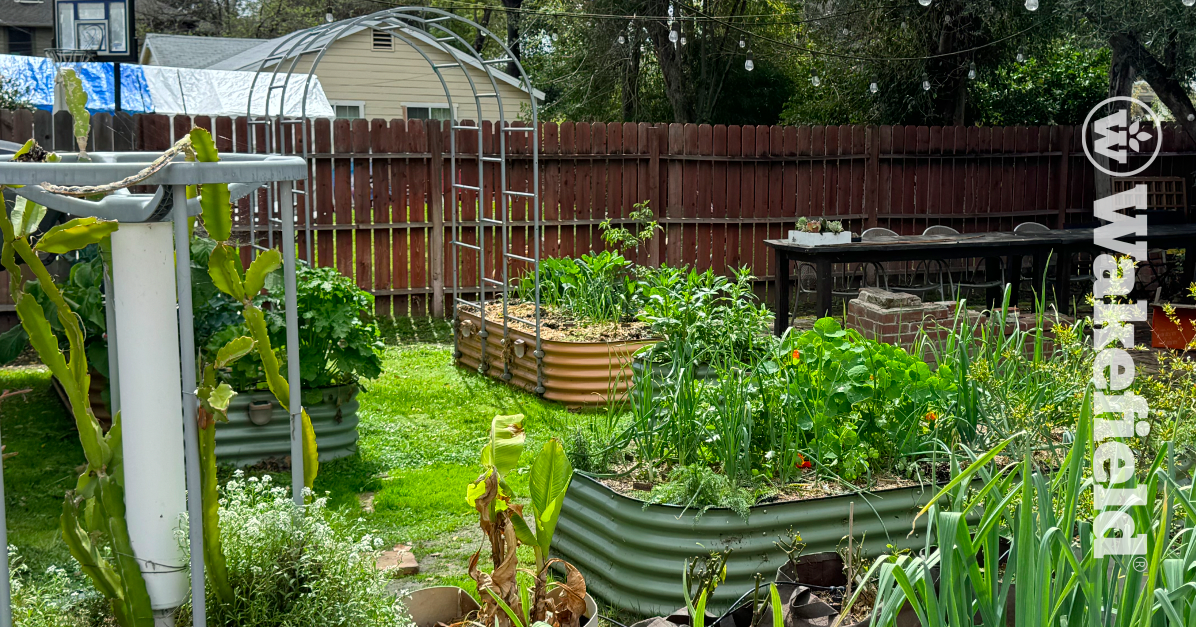
- Raised beds and containers: Make biochar about 10% of the complete soil or growing-media blend.
- Trees and shrubs: Include biochar throughout the soil surrounding the future root zone instead of concentrating it against the trunk.
- New sod: A blend containing about 5% biochar in the prepared layer below the sod adds water- and nutrient-holding capacity.
These amounts are designed to distribute biochar through the soil rather than leave it in a thick surface layer. Good distribution gives more roots access to its pore space and internal surfaces.
Why More Is Not Always Better
Biochar remains in soil for many years, so a well-planned application creates a lasting foundation. Adding more than the root zone can use does not multiply the benefits. An overly rich blend also leaves less room for soil, compost, and the nutrient sources that support plant growth.
Biochar is a soil conditioner rather than a complete fertilizer. Its value comes from helping soil manage water, air, and nutrients over time. Compost and fertilizer supply plant nutrients, while biochar helps keep those resources available around roots. The materials perform different but complementary jobs.
This long service life is another reason the 10% guideline is useful. It provides meaningful coverage without treating biochar like a product that must be reapplied every season. Learn more about how biochar works and why it remains stable in soil.
What the Radish Study Showed
A 2015 University of Missouri undergraduate research project tested Cherry Belle radishes grown with biochar at 5%, 8%, 10%, 12%, and 15% of soil volume. The indoor experiment included 60 plants and five daily watering amounts.
The best combined results in that experiment occurred with 10% biochar and 25 milliliters of water per day. Growth improved as the blend increased from 5% to 10%, then leveled off or declined for several measurements at 15%. Read the full biochar and radish study.
The project provides a useful example of why a balanced amount performs better than simply adding more. For most home garden and landscape projects, starting near 10% by volume places biochar where it can deliver broad, long-lasting soil benefits.