Biochar can help soil capture and hold water, keeping more moisture available to roots between rainfall or irrigation. Its porous structure changes how water is stored and moves through soil. This can be especially useful in sandy soils that drain quickly, helping gardens, farms, and landscapes make better use of the water they receive. 1
How Biochar Stores Water
Biochar is made by heating wood or other plant material with limited oxygen, leaving a carbon-rich structure filled with pores. Water can enter those pores and occupy spaces between biochar and soil particles. How much the soil holds depends on the size and arrangement of those spaces, as well as the properties of the biochar. 1
Water storage and drainage work together. Sandy soil can lose water quickly, while finer soil may hold plenty of water but drain slowly. Biochar can change both water retention and the rate at which water moves through soil. Better water movement can help drainage, but it does not by itself show that more water is stored for plants. 1
How Water Retention Helps Plants
Plants draw on water stored in the root zone between rainfall or watering. Increasing that usable supply can help bridge dry periods. Researchers call it plant-available water: the portion held in soil that roots can extract. Water held too tightly in very small pores is less accessible, so total water storage and plant-available water are different measurements. 1
Biochar also fits into a broader soil-care plan. It can be incorporated alongside compost and other amendments, with watering and feeding managed for the crop. Improving the soil gives roots a better foundation; the growing plan determines how that improvement is put to use.
What Water-Retention Research Shows
A review by Edeh, Mašek, and Buss found that biochar generally increased plant-available water, with the largest benefits in coarse-textured soils. Results varied with the material and application rate, and laboratory responses were stronger than field responses. This supports using soil texture and biochar properties to guide expectations. 1
A study by Wang and colleagues helps explain the process at the particle scale. In a laboratory experiment, they observed water moving from wetted walnut-shell biochar into surrounding sand as it dried. The same paper also examined a six-year field trial in silty clay loam, where biochar did not significantly increase plant-available water. The laboratory observation shows how moisture can move out of biochar; the field result shows why the response must also be understood in the soil where it is used. 2
Can Biochar Reduce Irrigation Needs?
Biochar can help reduce irrigation needs while maintaining crop yields in some growing systems. Field and greenhouse trials have demonstrated this potential, with results depending on soil, biochar, application rate, and irrigation management. 3, 4
In a two-season tomato field trial in Senegal, researchers incorporated peanut-shell biochar into sandy loam soil. In the second season, plots with biochar receiving half the study’s full irrigation rate produced about 12.5 metric tonnes of tomatoes per hectare, compared with 9.3 tonnes under full irrigation without biochar. The first-season response was less consistent. The trial provides a practical example of producing more with less irrigation under the tested conditions. 3
Two seasons of greenhouse tomato trials in China also found that selected biochar treatments under deficit irrigation produced higher yields than the fully irrigated treatment without biochar. The strongest combination used 45 metric tonnes of biochar per hectare and irrigation managed within a lower soil-moisture range. This supports the potential for irrigation savings in managed growing systems, with the application rate and greenhouse setting kept in view. 4
Other field trials have found smaller benefits. A West Texas cucumber trial reported no significant biochar effect on crop water use, yield, or water productivity over two seasons. Together, these findings support a useful distinction: irrigation savings are possible, but their size depends on the growing system. 5
Biochar in Container and Growing Media Mixes
Biochar can also help potting mixes and nursery media hold moisture between waterings. In peat-based nursery blends, fine wood biochar increased water storage and supported good pine seedling growth with fewer irrigation events at a suitable blend rate. 6
Container-grown ornamentals provide another example. Hydrangeas grown in a pine-bark mix with switchgrass biochar received less irrigation while maintaining plant dry weight. These results show how biochar can support water conservation in a formulated growing medium. 7
For soil and growing-media manufacturers, the opportunity is to build water storage into the finished product. Our article on choosing biochar for soil and growing media explains material properties, product options, and supply information.
What a Sweet-Corn Trial Shows
A two-year sweet-corn field trial in West Texas shows why irrigation management and biochar effects need to be considered separately. A schedule that supplied less water during early growth and more during reproduction used 24% less irrigation water than full irrigation, with an average yield reduction of 9%. Biochar had limited effects on crop performance in this trial. The water saving came from the irrigation schedule; it should not be credited to biochar. Longer trials could clarify its role, but future benefits are not established by these results. 8
See How Biochar Absorbs Water
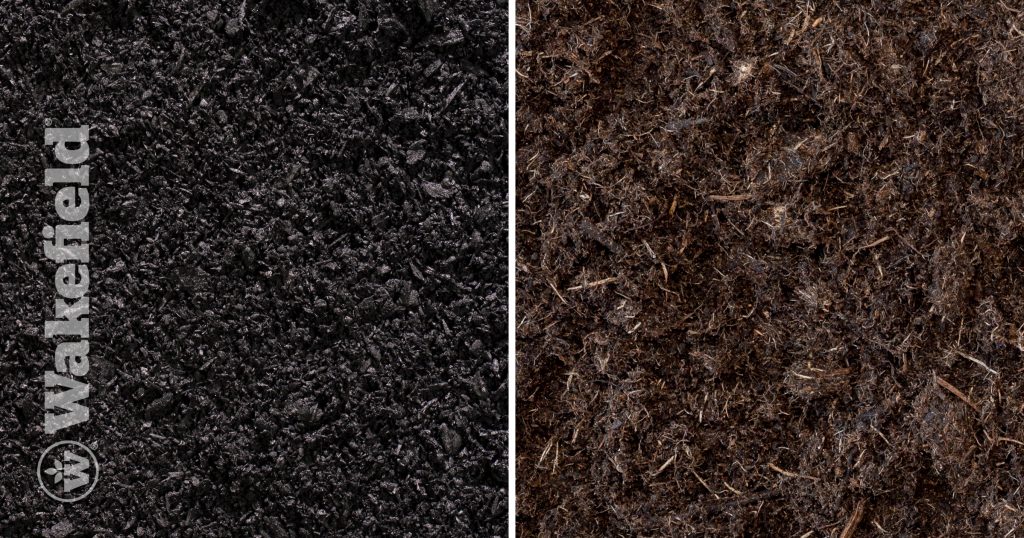
This Wakefield demonstration shows dry, wood-based biochar taking up water. It provides a simple view of the material’s ability to absorb moisture. The field studies above address the next question: how that ability translates into water management and crop production in soil.
Biochar and Water-Wise Soil
Biochar can be a useful part of a plan to retain moisture and make better use of rain and irrigation. For growers, the practical opportunity is to match the material and application rate to the soil, then use soil-moisture observations and crop performance to guide watering adjustments.
Start with the product’s application guidance and your existing irrigation plan. A small comparison area can help you see how treated soil performs through the season before changing irrigation across a larger area. Explore our agriculture guidance for field-scale planning or our gardening guidance for beds, containers, and home growing.
Sources and notes
-
Biochar and soil water properties 2020. Meta-analysis covering plant-available water, soil texture, application conditions, and differences between laboratory and field results View Source ↩
-
Water retention in two agricultural soils 2019. Laboratory imaging of water release from walnut-shell biochar; a separate six-year field trial in silty clay loam found no significant increase in plant-available water View Source ↩
-
Tomato production under deficit irrigation in Senegal 2024. Two-season field trial with peanut-shell biochar at 15 and 30 metric tonnes/ha. The yield comparison above is from 2022; half irrigation means 4 rather than 8 litres/m²/day. These are study treatments, not Wakefield product application rates View Source ↩
-
Greenhouse tomato yield under deficit irrigation 2023. Two-season greenhouse trial. The highest-yielding combination used 45 metric tonnes/ha and irrigation thresholds of 60–80% of field capacity; those thresholds are not percentages of irrigation water saved View Source ↩
-
Cucumber water use and productivity in West Texas 2026. Companion report from the 2021–2022 field experiment, using 0, 15, and 20 metric tonnes/ha. No significant biochar effect on crop water use, yield, or water productivity View Source ↩
-
Wood biochar in ponderosa pine nursery media 2018. Selected peat blends supported good growth with suitable nutrition. Fine hardwood biochar increased water storage, reduced air space, and required fewer irrigation events; higher rates were less successful. Event counts do not establish a percentage of total water saved. These were research materials, not Wakefield products View Source ↩
-
Container-grown ornamentals in biochar-amended pine bark 2018. Eight-week greenhouse trial with sensor-controlled irrigation. Hydrangeas at 10% switchgrass biochar received 32% less irrigation without reduced dry weight; at 25%, both irrigation and biomass declined. Responses differed by species. The switchgrass material and study rates are not Wakefield product specifications or application guidance View Source ↩
-
Sweet-corn irrigation management and biochar in West Texas 2025. Two-year field trial. The selected irrigation schedule supplied 60% of crop evapotranspiration during vegetative growth and 80% during reproduction, compared with 100% throughout the full-irrigation treatment. Reported irrigation savings and yield reduction were averaged across two years. These are study treatments, not Wakefield application instructions View Source ↩