Global environmental problems can feel far removed from daily life. Yet every yard, garden, patio, and shared green space is part of the larger landscape. The choices people make at home can protect soil, save water, support wildlife, and keep useful materials out of the waste stream.
No single backyard can solve climate change. But millions of households making practical choices can create real progress. A more sustainable yard can also be healthier, easier to care for, and more welcoming to people and wildlife.
Healthy Soil Is the Foundation
Healthy soil supports roots, stores water, cycles nutrients, and gives soil life a place to thrive. Compost returns food scraps and yard waste to the soil instead of sending them to a landfill. Mulch covers bare ground, slows water loss, and protects the soil from hard rain and summer heat.
Biochar adds another lasting form of carbon to the garden. Wood-based biochar is made by heating wood waste with very little oxygen. This process creates a stable, porous material that remains in soil for a long time. Its pores help hold water and nutrients near plant roots while creating space for air and soil life.
A Backyard Can Use Water Wisely
A water-wise yard makes better use of every rainfall. Mulch and biochar help keep moisture in the root zone. Rain barrels can save roof runoff for later use where local rules allow them. Watering near the base of plants sends moisture where it is needed instead of losing it on pavement or leaves.
Plant choice matters too. Native plants are suited to the seasons and weather of their home region. Once established, many need less added water than plants from very different climates. Their deep and varied roots also help rain enter the ground.
Small Spaces Can Support Wildlife
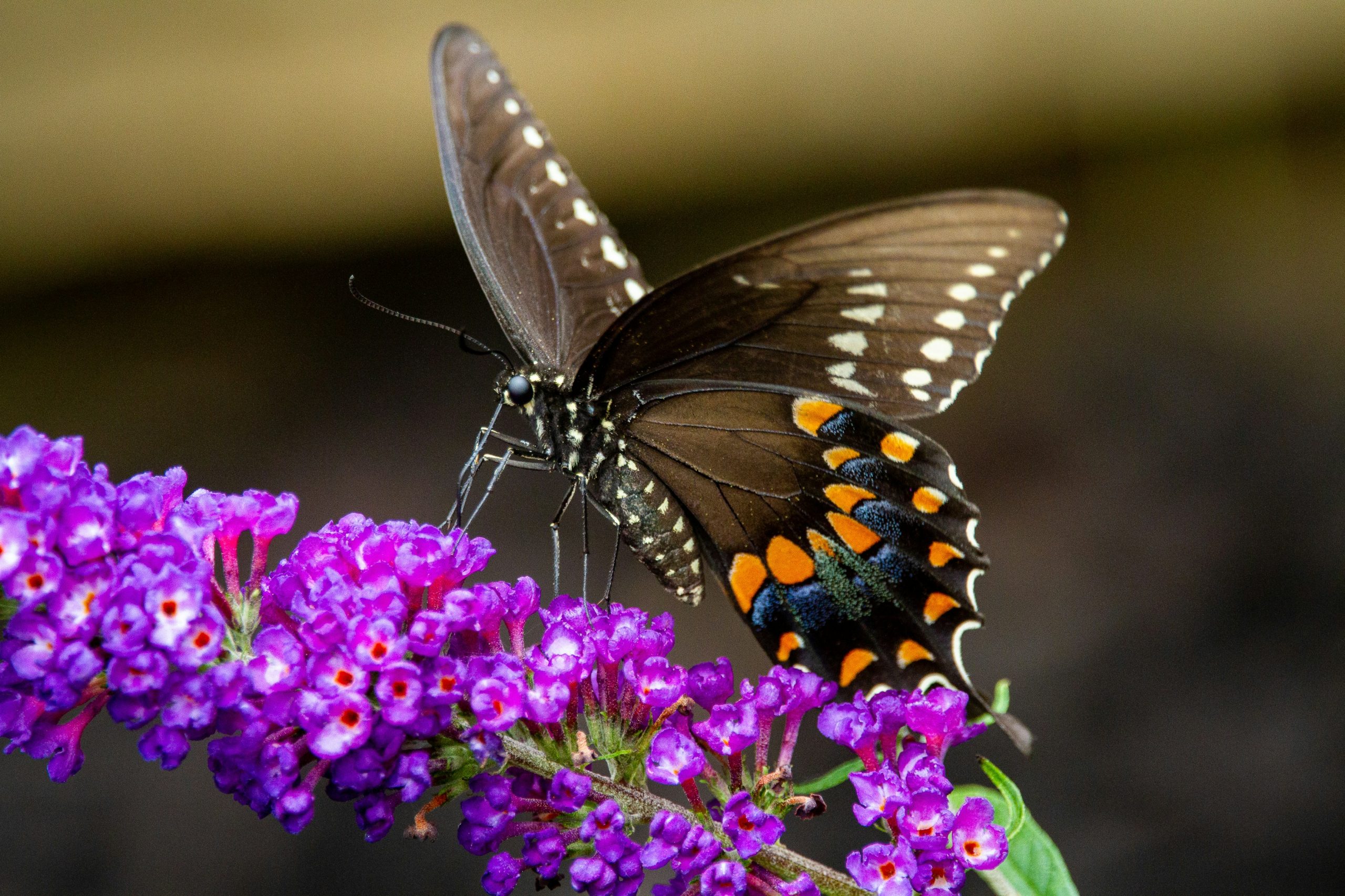
Birds, bees, butterflies, and other wildlife need food, water, shelter, and places to raise their young. A mix of native flowers, grasses, shrubs, and trees can provide these needs across the seasons. Even a few containers on a balcony can offer nectar and pollen.
A tidy yard does not have to be empty of life. Leaving some seed heads through winter feeds birds. A shallow water source gives insects and birds a place to drink. Avoiding broad pesticide use protects the helpful insects that pollinate plants and help control pests.
Waste Can Become a Resource
Many useful garden materials already exist close to home. Fallen leaves can become mulch. Food scraps and yard trimmings can become compost. Safe containers and untreated wood can be reused for planters and garden projects. Choosing durable tools and repairing them also reduces the need for new materials.
Biochar follows the same idea on a larger scale. It gives clean wood waste a useful next life as a soil conditioner while keeping much of the plant carbon in a stable form. Using wood-based biochar made for soil connects a backyard garden to a wider system of beneficial reuse.
Local Action Can Spread
The influence of a sustainable backyard does not stop at the property line. Neighbors notice gardens that stay green with less water, attract butterflies, and turn waste into healthy soil. Sharing seeds, plants, compost, and experience makes these ideas easier for others to adopt.
Schools, community gardens, parks, and local groups can carry the same practices into shared spaces. Household action also helps build public support for better composting, water conservation, tree planting, and soil care. Global change begins when practical local choices become normal parts of everyday life.