Preparing biochar with mature compost brings it into contact with moisture, nutrients, and microorganisms before you mix it into soil. Gardeners often call this charging or inoculating biochar. Advance preparation is optional; follow your product’s directions for planting and use. 1
Finished compost provides a simple activation partner because it brings all three ingredients together. The method requires no special equipment and can be completed in a wheelbarrow, garden cart, tub, or compost pile.
Choose a Nutrient-Rich Material
Start with compost, worm castings, compost tea, or another nutrient-rich material used in your normal garden care. Finished compost is the simplest choice because it supplies moisture, nutrients, organic matter, and active microorganisms in one material.
Biochar and compost perform different jobs. Compost releases nutrients as it breaks down, while biochar provides durable pore space that can retain water and nutrients. Combining them prepares the biochar while building a balanced soil amendment.
Combine the Biochar and Compost
For a simple preparation blend, mix equal volumes of plain biochar and mature compost, then turn the materials together until evenly combined. This is a preparation mixture, not the soil mix you plant into. [2]
When you add it to soil, count only the biochar portion toward your product’s recommended application rate. For example, one bucket of biochar mixed with one bucket of compost still contains one bucket of biochar.
Add Enough Moisture
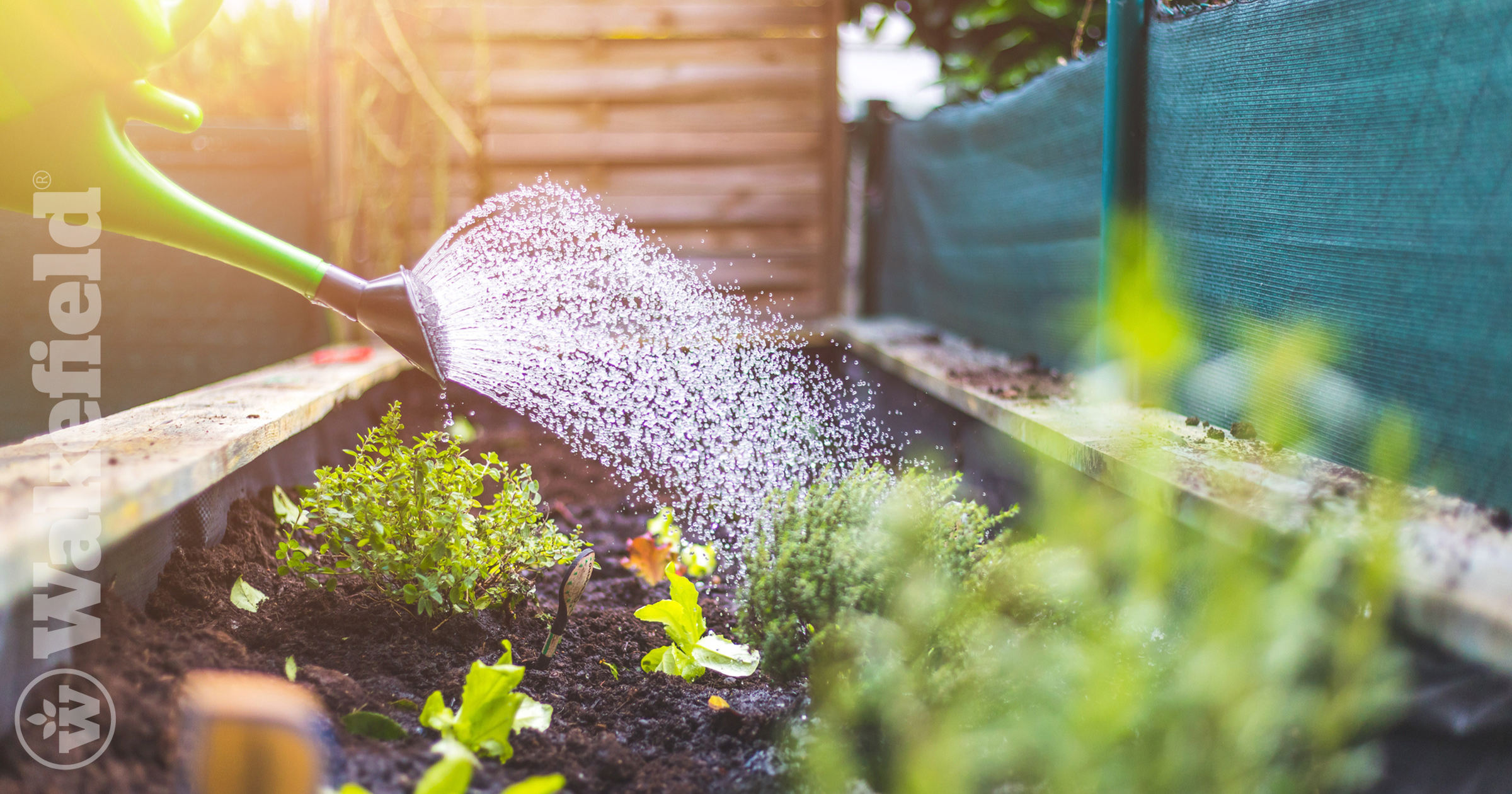
Moisten the mixture until it feels evenly damp, similar to a wrung-out sponge. Water helps dissolved nutrients move into and around biochar’s pore network. It also creates a welcoming environment for microorganisms from the compost.
Turn the blend as water is added so moisture reaches the entire batch. The material should hold moisture without dripping or becoming waterlogged. Lightly cover the container or pile to slow drying while still allowing airflow.
Let the Mixture Rest
If preparing the mixture ahead of planting, keep it moist for about one to two weeks, turning it occasionally. This is a practical preparation period, not a test that the biochar is fully charged. Published guidance varies: one application guide suggests one to three weeks, while another recommends several weeks. [3]
You do not need to postpone planting solely to complete this optional step when your product directions allow use at planting. Continue normal watering and feeding after application. [1]
Apply the Activated Biochar
Mix the prepared blend evenly into the soil where roots will grow, following your product’s application rate. For Wakefield Premium Biochar and Premium Biochar with CarbonBoost™, the garden guidance is about 5–10% biochar by volume of the finished soil mix. Compost-containing and specialty blends have their own directions. [4]
Water after application as part of normal planting care. For established plants, gently incorporate where practical without disturbing roots.
Why Activate Biochar?
Biochar is made by heating plant material with limited oxygen through a process called pyrolysis. This creates a stable carbon structure filled with pores and surfaces. Learn more about what biochar is and how it is made.
Fresh biochar begins interacting with water, nutrients, minerals, and soil life after application. Activation starts those interactions before the material reaches plant roots. Compost supplies nutrients and microorganisms, while moisture helps carry them throughout the blend.
Once added to soil, activated biochar supports water retention, nutrient management, soil structure, and microbial habitat. Research has also explored how combining biochar with beneficial microorganisms can support plant nutrition and growth.
Can Biochar Activate in Soil?
Biochar can also become charged naturally after it is mixed into living soil. Water, dissolved nutrients, organic matter, and microorganisms gradually occupy its surfaces. Pre-activation simply gives that process a head start.
Direct soil activation works well when compost or other nutrient sources are already part of the planting plan. Mix biochar and compost through the same root-zone area, then water normally. The materials will begin interacting in place.
For a new bed or container blend, preparing biochar with compost ahead of time can make even mixing easier. For larger landscape or lawn projects, applying biochar with compost during soil preparation may be more practical than preparing a separate batch.
How Activation Supports Lasting Soil Benefits
Activation is a starting process, not a treatment that biochar uses up. The biochar remains in the soil after the compost continues to break down. Its stable pore network keeps interacting with new water, nutrients, roots, and microorganisms over many growing seasons.
This long service life is why biochar works as a soil conditioner rather than a complete fertilizer. It helps manage resources supplied by the wider soil system. Read more about using biochar with compost and choosing the right blend for garden soil.
Sources and notes
-
Biochar guidance Describes incorporation at planting and following manufacturer application rates View Source ↩
-
Garden biochar guide, page 7 Describes compost preparation blends, including equal parts; recommendations vary with material and setting View Source
-
Biochar Guidelines for Agricultural Applications, page 3 Gives a variable one-to-three-week preparation interval. The Arizona guide in note 2 recommends several weeks. These are practical guidelines, not a verified endpoint for every biochar View Source
-
Gardening application guidance Wakefield BioChar product application information. Follow the directions for the particular product; preparation-blend ratios differ from final soil application rates View Source