Biochar supports soil by adding stable pore space that helps retain water and nutrients, improves root-zone structure, and provides habitat for microorganisms. Its long service life makes application different from adding a seasonal fertilizer or short-lived organic material.
The same basic process works across gardens, lawns, landscapes, containers, trees, and managed turf. Start with the soil volume roots will use, choose an appropriate amount, combine biochar with nutrient-rich material, and distribute it evenly.
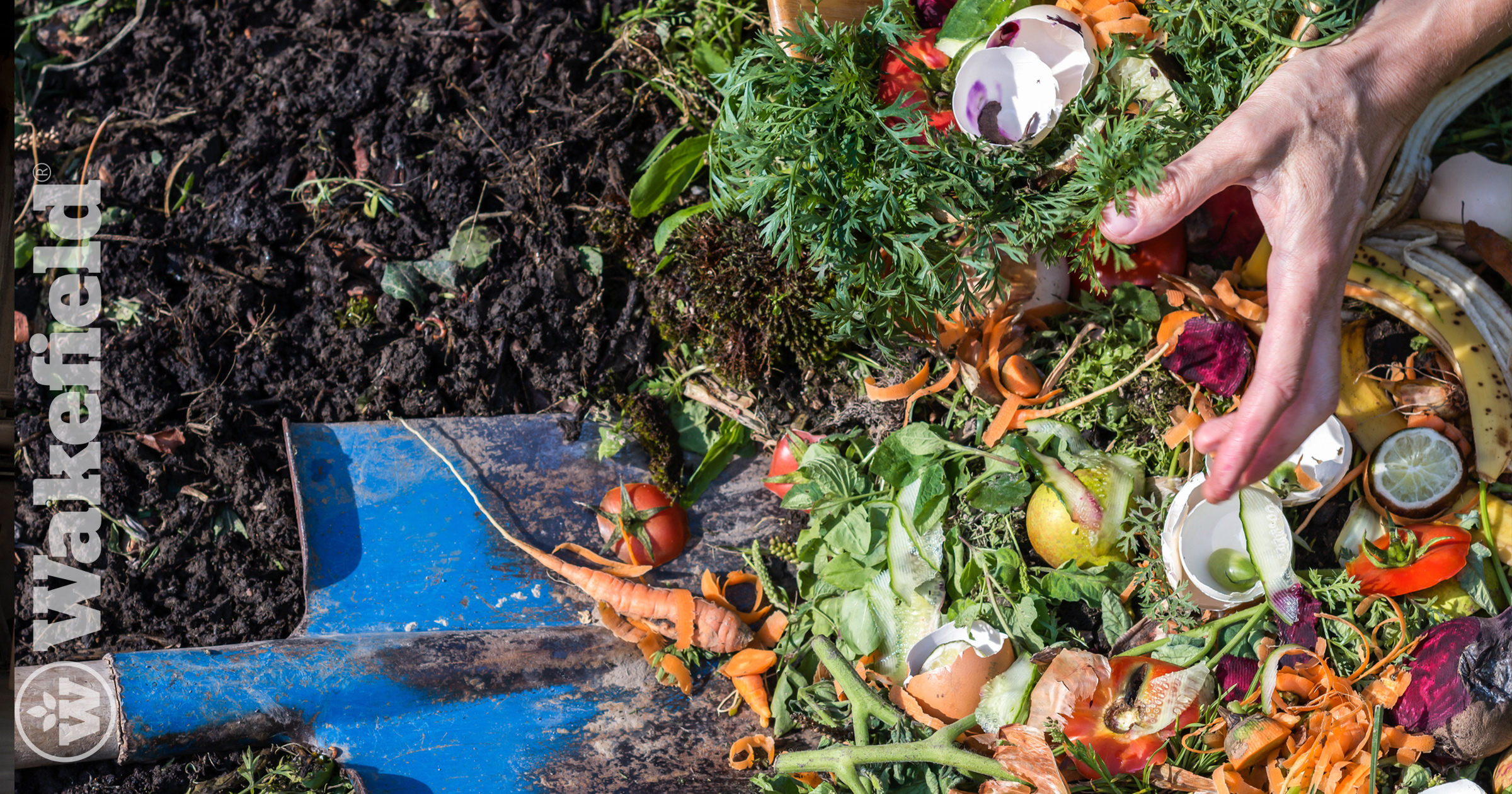
Choose the Planting Area
Begin with the place biochar will support: a garden bed, lawn, tree, shrub, container, or managed turf area. The goal is to place biochar within the soil volume used by active and future roots.
New beds and planting areas provide easy access to the full root zone. Established lawns and landscapes can receive biochar through aeration holes, planting openings, topdressing blends, or other maintenance work that moves particles below the surface.
Calculate the Soil Volume
Measure the length, width, and amendment depth of the planting area. These dimensions determine the soil volume and the amount of biochar needed. Garden beds commonly use biochar at about 10% of the root-zone volume. Lawn and sod projects may use a blend closer to 5%.
For 100 square feet amended four inches deep, 3 to 4 cubic feet creates a blend near 10%. Product labels may give a simpler coverage rate for the material and application.
Combine Biochar with Compost
Mixing biochar with finished compost prepares its porous surfaces with moisture, nutrients, organic matter, and microorganisms. A simple activation blend uses equal volumes of biochar and compost. Moisten the mixture and allow it to rest for seven to fourteen days when the project schedule permits.
Biochar can also begin interacting with compost and soil after application. Pre-activation gives the process a head start, but the same materials can be combined directly in the planting area.
Distribute It Through the Root Zone
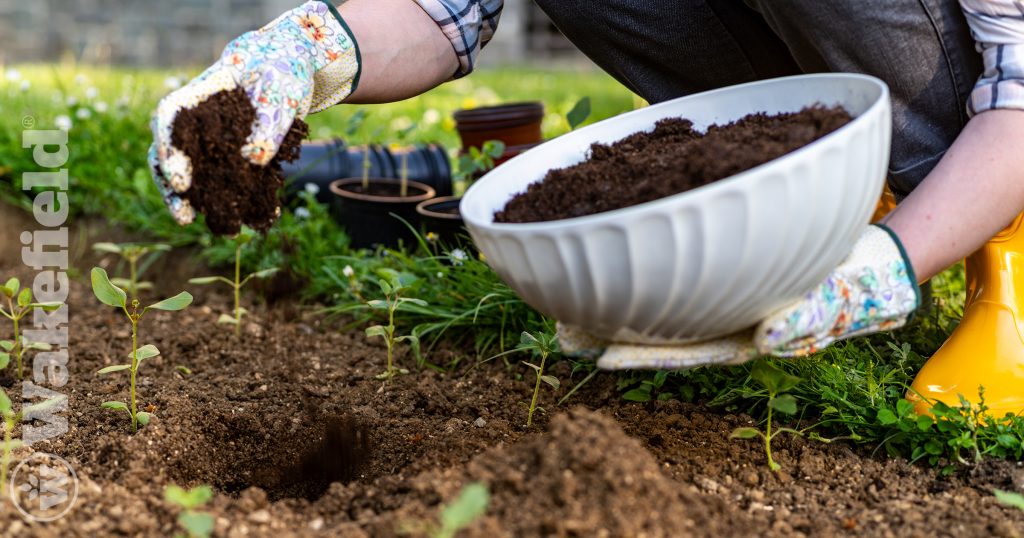
Spread the biochar or biochar-compost blend evenly before mixing. In new garden beds, incorporate it through the upper four to six inches or the planned planting depth. For trees and shrubs, distribute it through the surrounding backfill and future root area instead of concentrating it against the trunk.
After lawn aeration, spread the material across the surface and rake or brush it toward the openings. Even distribution gives more roots access to biochar’s water- and nutrient-holding surfaces.
Water and Continue Normal Care
Water the amended area after application to settle the soil and begin moving moisture and dissolved nutrients through the biochar. Continue the watering, fertility, mowing, mulching, and planting practices appropriate for the landscape.
Biochar is a soil conditioner rather than a complete fertilizer. It helps the root zone retain and manage resources supplied by soil, compost, and fertilizer. Because biochar remains in soil for many years, a full initial application does not need seasonal replacement.
Choose the Guide for Your Project
This Guide provides the universal application process. Wakefield’s focused Guides offer more detail for specific planting areas and maintenance programs:
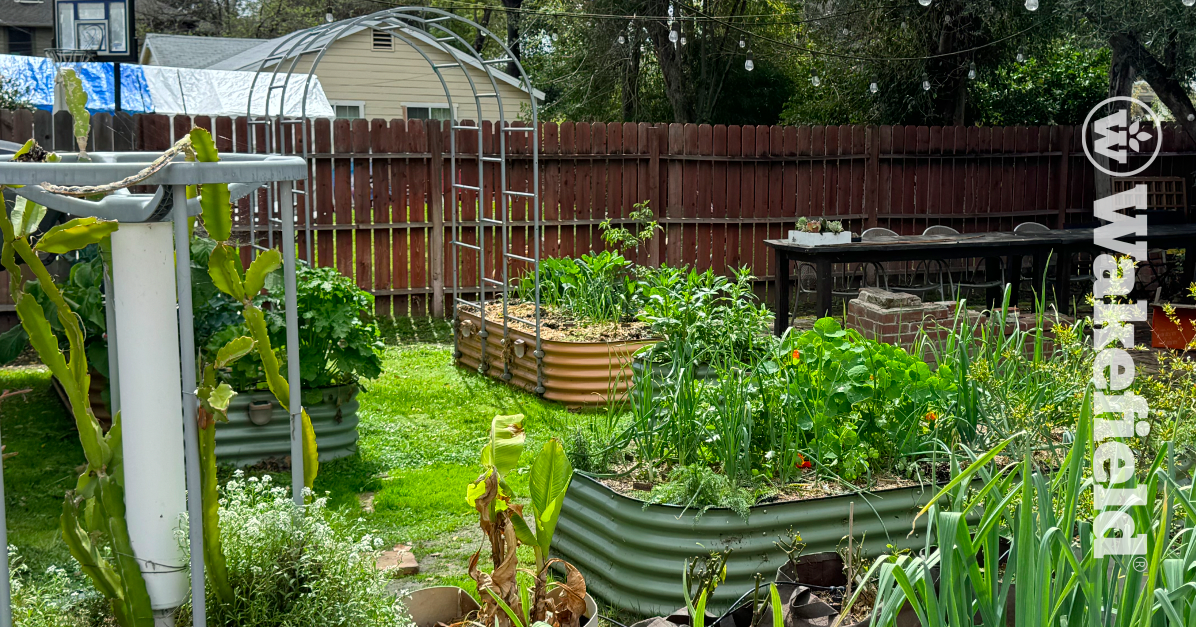
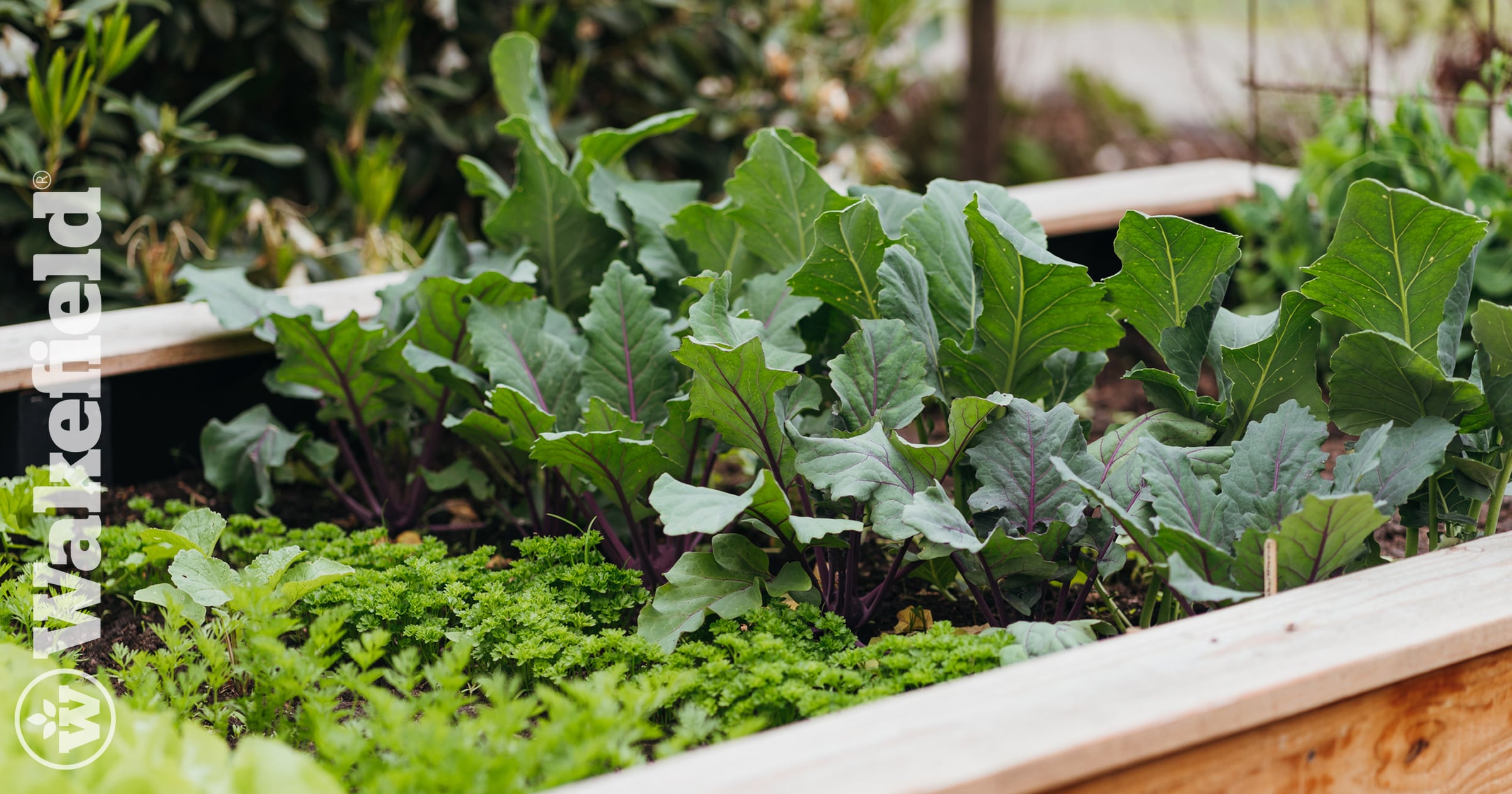
- Gardens and raised beds cover soil-volume calculations, bed preparation, and planting.
- Lawn care explains applications for new and established residential grass.
- Trees require distribution across the future root zone rather than a narrow pocket near the trunk.
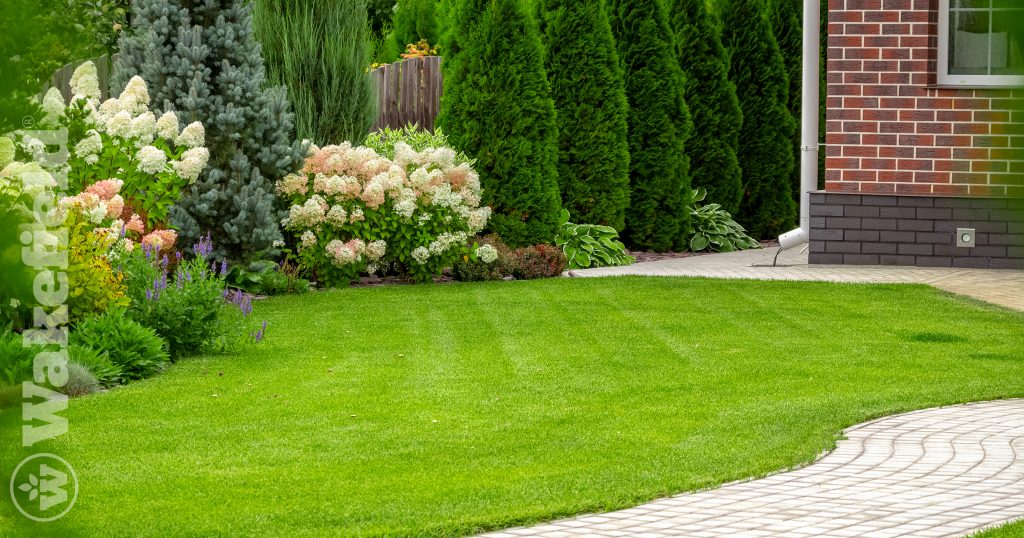
- Landscaping connects biochar with shrubs, flowers, planting beds, and long-term soil care.
- Houseplants use smaller amounts blended evenly through container media.
- Professional turf management addresses sports fields, golf courses, traffic, irrigation, and wear recovery.
- Activating biochar gives complete instructions for preparing it with compost before soil use.
How Biochar and Compost Work Together
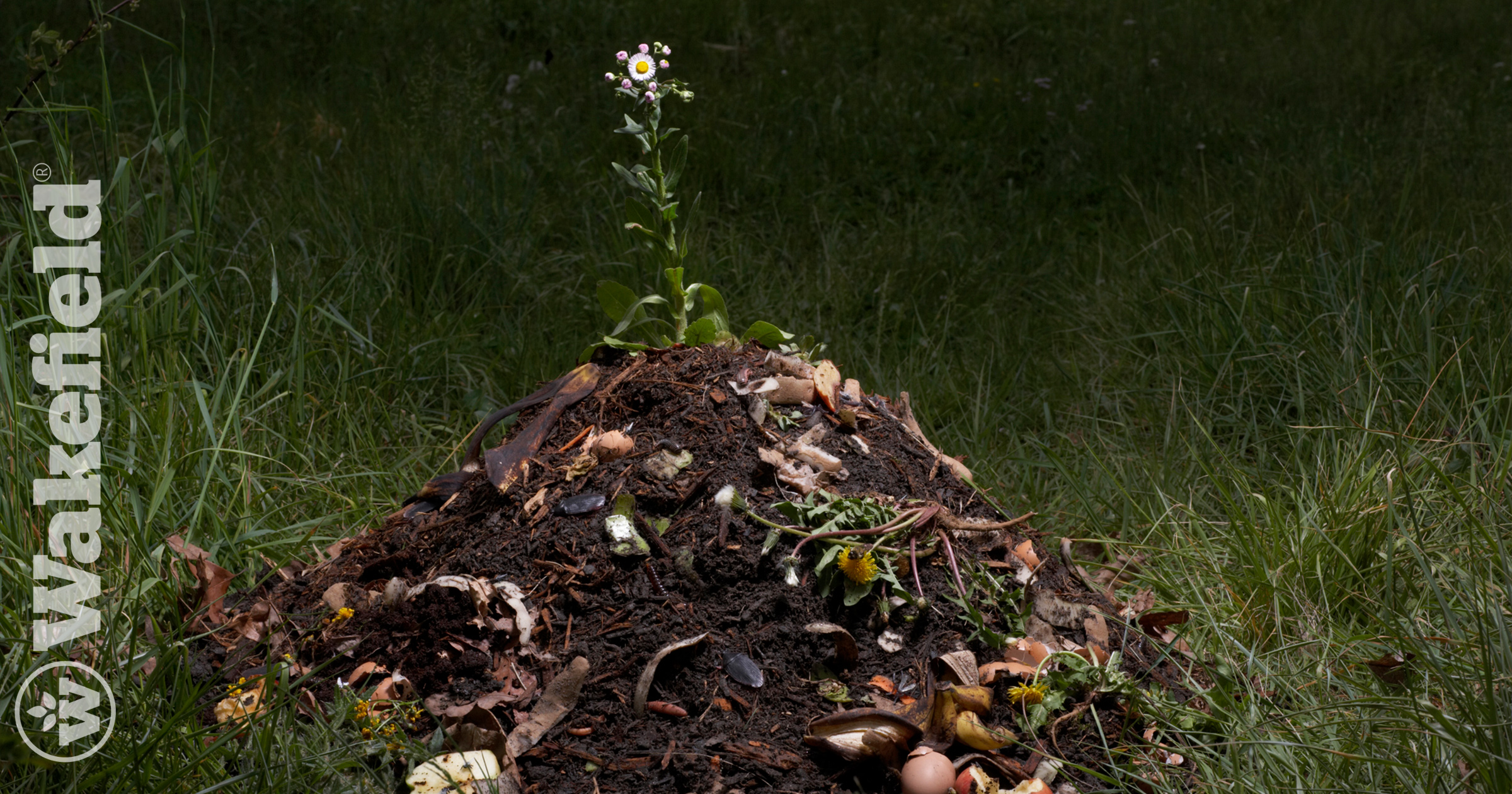
Compost supplies fresh organic matter and nutrients as it breaks down. Biochar provides a durable structure that retains some of that moisture and nutrition within the root zone. Their roles complement each other rather than compete.
Combining the materials also helps distribute biochar evenly and reduces loose dust during handling. Learn more about composting with biochar and using the finished blend in garden soil.
Handle Biochar with Care
Biochar particles can produce dust during pouring and mixing. Work in a ventilated area, move the material gently, and lightly moisten it when appropriate. Follow the product label and safety information for eye, skin, and respiratory protection.
Store unused biochar in its original closed container in a dry location. Keeping the material contained protects it from wind and moisture while keeping the work area clean.
Long-Term Value Below the Surface
Biochar remains in soil long after compost has decomposed and plants have completed their life cycles. Its surfaces continue interacting with water, nutrients, minerals, roots, and soil organisms across many growing seasons.
That durability is the central reason to apply biochar carefully. Correct placement creates a long-term foundation for healthier soil management instead of a temporary surface treatment.