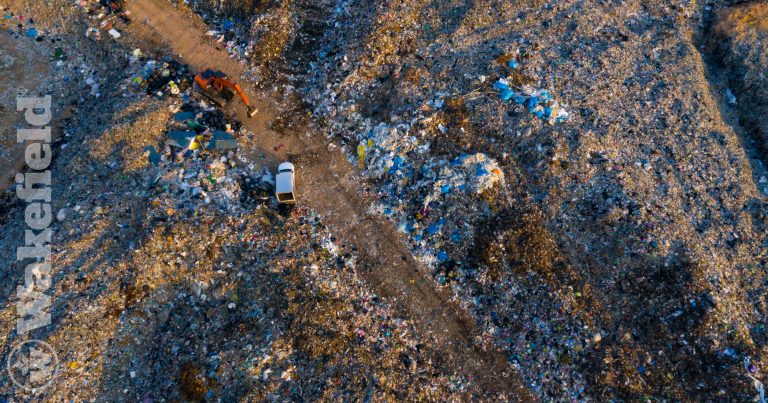
How Biochar Fixes Contaminated Soil
Soil contamination occurs when harmful substances such as fertilizers, plastics, and heavy metals infiltrate the soil. These pollutants pose significant risks to humans, animals,…
Read MoreWakefield BioChar Resources

Wakefield’s educational resource library for biochar, soil health, agriculture, gardening, and industrial applications.
82 results
Resource Type: FAQ
Soil contamination occurs when harmful substances such as fertilizers, plastics, and heavy metals infiltrate the soil. These pollutants pose significant risks to humans, animals,…
Read More
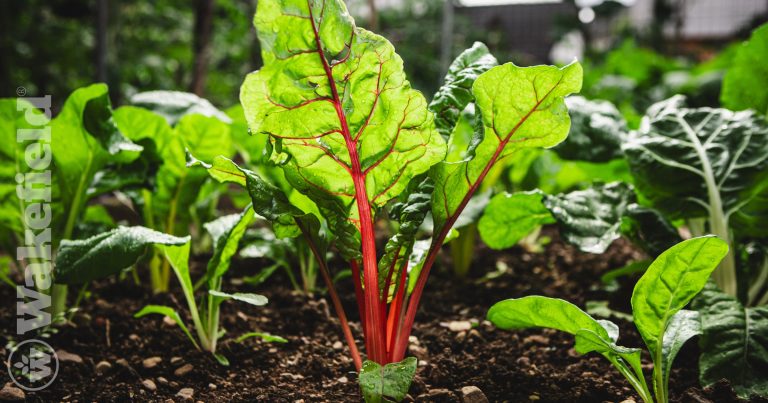
Soil is composed of sand, silt, and organic matter, which is decomposed animal and plant tissues. However, whatever type you have, a better garden…
Read More
For a successful garden, you need good soil. But many homes are built on not-so-great ground. If your soil is mostly sand, clay, or…
Read More
Celebrate Sustainably with Wakefield BioChar: Eco-Friendly Tips As a holiday approaches, many of us are gearing up to celebrate with friends and family in…
Read More
Biochar can work wonders on soil health, but it requires activation before it can provide full nutrient-boosting benefits to your plants. Thankfully, activating your…
Read More
One of the great benefits of using biochar (many other instances of “biochar” to be fixed) is that you don’t need to use it…
Read More
Adding biochar to your soil helps your plants thrive, but how much should you add? Your ratio depends on several factors, especially the quality…
Read More
When you use biochar as a soil conditioner, estimates of its longevity range from a century to a millennium because it resists decay. It…
Read More
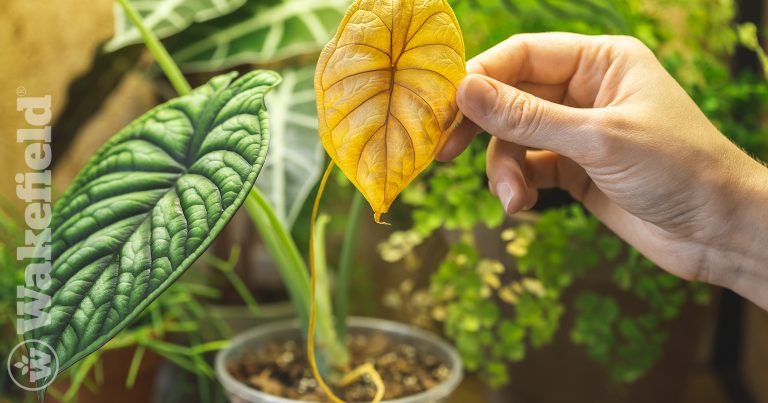
If your plant’s leaves are turning yellow, ensure they have enough water and proper sunlight. If those are adequate, the cause might be nutrient…
Read MoreMove from education to application with Wakefield products, industry resources, and sales support for retail, bulk, agriculture, and industrial needs.