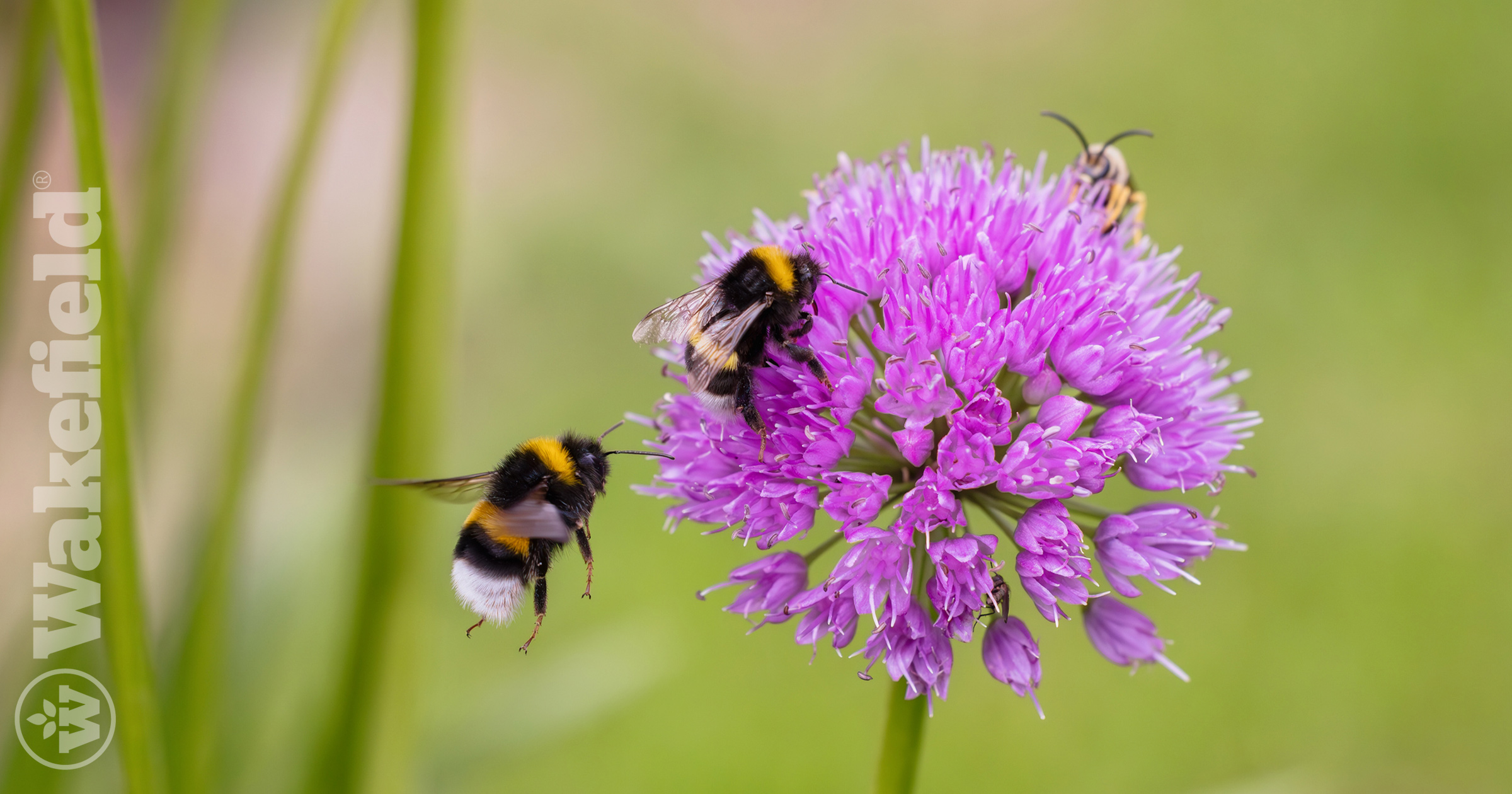
A pollinator garden provides food and shelter for bees, butterflies, moths, hummingbirds, and other helpful animals. The plants do most of that work. Good soil helps those plants build roots, manage dry periods, and produce steady growth.
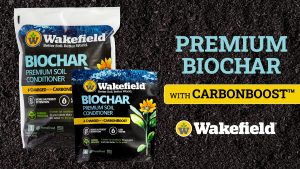
Wakefield BioChar Premium Soil Conditioner can be mixed into the planting area while you prepare the soil. Its porous structure helps soil hold water and nutrients in the root zone. Use the package directions or Wakefield’s biochar calculator to plan the amount for your garden.
Before You Begin
Choose an area that receives enough sun for the plants you want to grow. Watch how water moves through the site after rain. Gather compost or another source of organic matter, biochar made for soil use, mulch, and plants suited to your region.
Plan the garden
Measure the planting area and note how much sun it receives. Choose a location where pollinators can reach flowers without crossing a busy walkway or play area. Plan several groups of plants instead of scattering single plants across the bed.
Choose pollinator-friendly plants
Select a mix of plants that bloom in spring, summer, and fall. Give priority to native plants that match your local soil, rainfall, and growing zone. Include different flower shapes so more kinds of pollinators can feed.
Prepare the soil with biochar
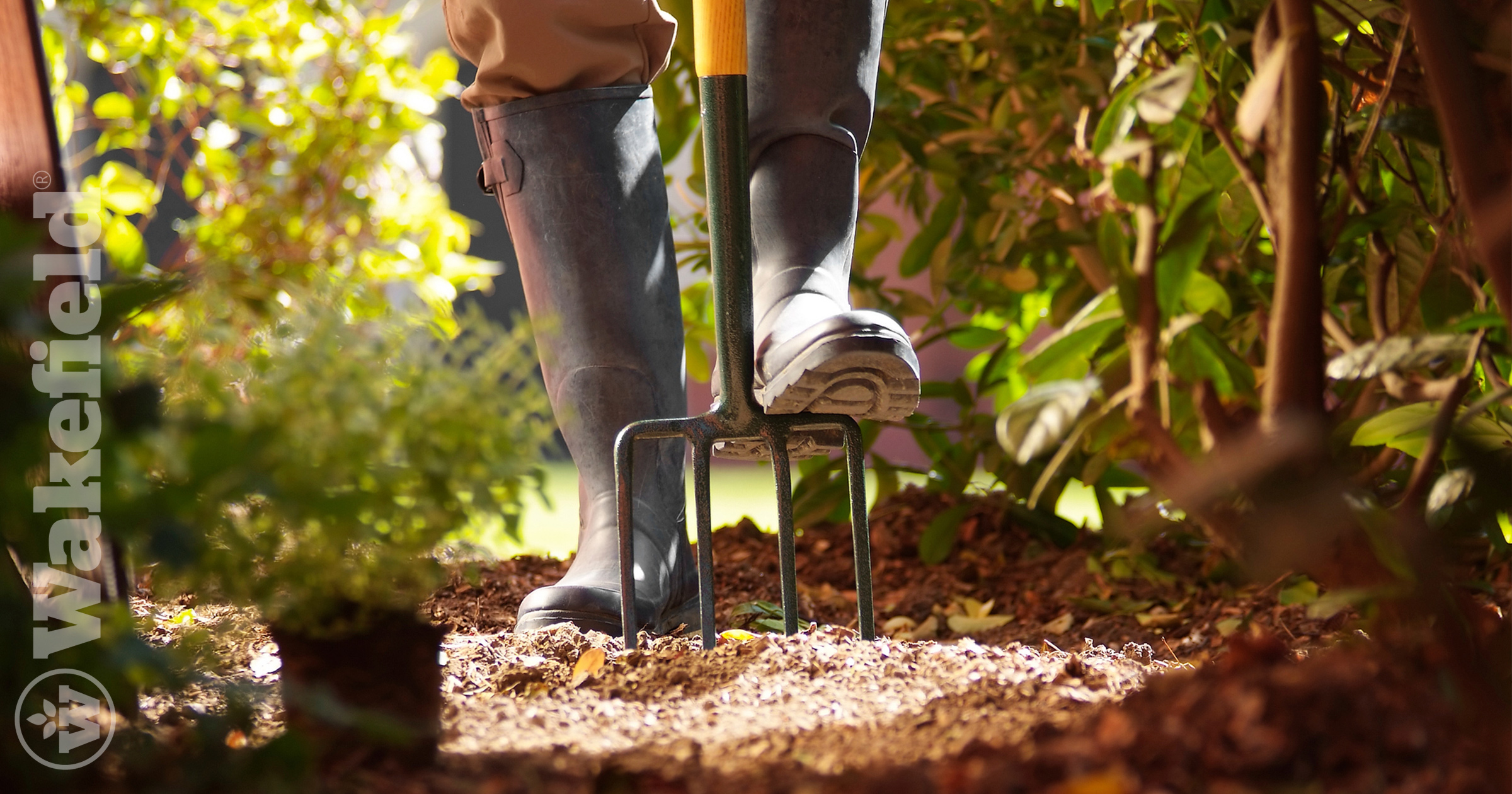
Remove weeds and loosen compacted soil. Spread biochar at the amount listed on the product package, then mix it into the planting area with compost or existing soil. Water the prepared soil so the materials settle together before planting.
Plant and water
Place taller plants where they will not shade shorter flowers. Follow the spacing and planting depth on each plant label. Water the root area after planting and continue watering while the plants become established.
Maintain the habitat
Add mulch around plants while leaving stems clear. Remove aggressive weeds, replace failed plants, and water during long dry periods. Avoid spraying open flowers, and always follow pesticide labels. Leave some healthy stems and leaves through winter when the garden can remain tidy and safe.
Choosing Plants for a Pollinator Garden
Plant choices should match your location. A flower that is helpful in one region may struggle or spread too quickly in another. Start with native plants, then add well-behaved garden plants that provide useful blooms.
- Spring flowers: Choose early blooms that provide food when pollinators first become active.
- Summer flowers: Coneflowers, sunflowers, salvia, and other long-blooming plants can keep the garden active.
- Fall flowers: Late-blooming native asters and goldenrods can provide food near the end of the growing season.
- Host plants: Some butterflies need specific plants for their caterpillars. Monarchs use milkweed, but the right milkweed species depends on the region.
Support Pollinators Beyond the Flowers
A healthy pollinator garden offers more than nectar and pollen. Provide a shallow water source with stones or another safe landing place. Keep some areas of soil open for ground-nesting bees. Avoid unnecessary pesticide use, and follow every label when treatment is needed.
As the garden grows, watch which flowers receive the most visitors and which plants handle the site well. Use those observations to fill gaps in bloom time and improve the garden each season.